

The digital library
This article examines the impact of digital libraries on access to knowledge and the potential loss of community and focus found in traditional libraries.

I was sitting at my desk at 3 AM last night, looking at my digital tablet's bright screen scrolling through an archive for a rare manuscript. Just ten years ago, if I wanted to see that document I'd probably have to book a flight, get a special permit, and spend days in a dusty basement. At that moment, the power of digitalization felt like magic. It was fast, it was there, it was free but as the blue light began to hurt my eyes, I had to ask myself: in the rush to put every single book into the "cloud" are we, without even thinking about it, destroying that one thing that makes a library special?
The Big Win: access for everyone Let's look at the best part first: access. For the longest time libraries were like fortresses. If you didn't live in a big city, if you didn't go to a fancy university, it was pretty much locked off from you, the best of the world's knowledge. Digitalization has completely shattered such walls. Now, literacy has become no better than a kid in a small village with a cheap smart phone who can read the same research as a professor at Harvard. This is a huge deal when it comes to equality. We've made "the right to know" a privilege of that time, a luxury. Millions of books that used to 'just be sitting there gathering dust' can now be searched for by a heartbeat. That is an enormous victory for everyone, and we should not take it for granted.
The Catch: Scrolling isn't Studying, but here is where things get a bit messy. There is a huge difference between holding a physical book and flicking through a PDF. Walking into a real library, you take a flight of steps with yourself to concentrate. The silence, smell of the paper, and the fact that you can't just "close the tab" create a sort of focus which technology just can't provide.
On a screen the library is life right next to your distractions. You're always one second away from checking an email or falling down a YouTube rabbit hole. Personally, I've found that although I "read" more stuff online, I "remember" way less of it. We've gotten amazing at keyword scanning, but we're getting out of the habit of deep, slow reading. If we allow the library to be cut to 100% digital we are possibly cutting learning to just another task off the screen - check the weather, scroll through social media.
It's not a choice of one over the other. That's a trap. The future of the library needs to be an amalgam of the two. We need the digital side because it's efficient, and also it's not putting that rare book at risk of falling apart. But we desperately need the physical side for our focus, our mental health and our communities.
Wait, What About the Community? Another thing that people seem to forget is that libraries aren't just big rooms with books in them - they're places where people meet. It's one of the last places left where you can go and sit down without having to purchase a coffee or a meal. It's a "third place" that holds a community together. You can't get the same feeling of 'shared learning' from a search bar. When we put all these things on a server though, we lose that human aspect. For many people, the local library is the only quiet, safe place they have. If we are only dealing with digital logins where are those people going to?
The Hidden Risks of Technology, and then there is the practical aspect of things. We speak of digitization as if everyone has high-speed internet and the newest iPad. But that's just not true. For millions of people, a physical library is the only place they can get asylum from free internet or a quiet corner to work. If we come too strongly on the digital, we're going to leave those people behind.
Plus, digital files are kind of fragile. links are broken, websites go down and files can be hacked or deleted. A book written 200 years ago is still perfectly readable today. It neither requires a software update nor a battery. Can we even agree that the file that we save today will be available in 50 years? There's a solidness to a physical book, that technology hasn't been able to replicate yet.
The Middle Ground So what's the answer? To me, it's not a choice of one over the other. That's a trap. The future of the library needs to be an amalgam of the two. We need the digital side because it's efficient, and also it's not putting that rare book at risk of falling apart. But we desperately need the physical side for our focus, our mental health and our communities.
The goal should be to use technology to make the library bigger and not to replace it. We should use it to help us find things, but we should keep the physical spaces to help us understand things.
As we think about digitizing our own stuff we have to ask ourselves: do we just want to make it easier to find, or are we just making it easier to learn? Being fast is great but it shouldn't be at the expense of thinking deeply. We owe it to human beings yet to come to provide for them the fast tools of the future and the stilled sanctuaries easy to walk through of the past.
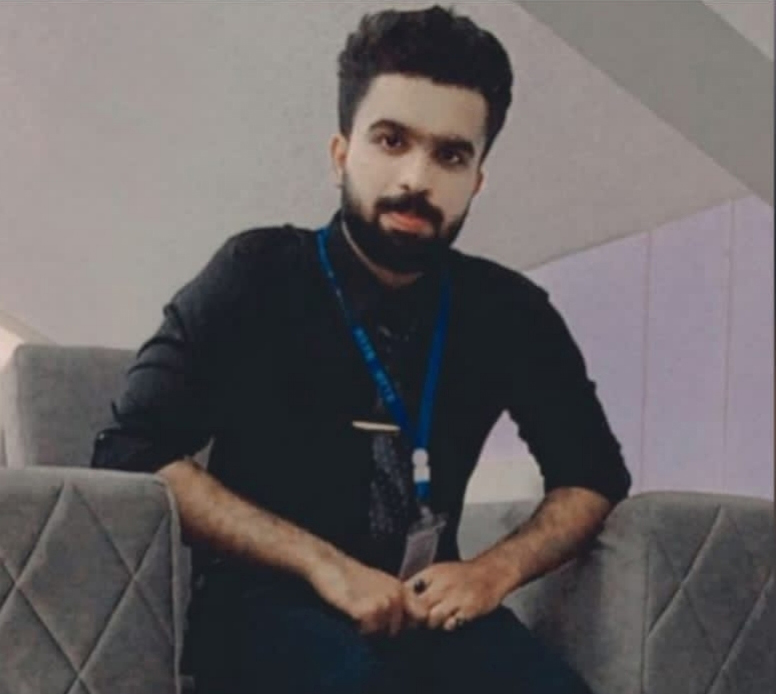
This writer is a graduate of Economics and librarian at BTTN, Quetta. He can be reached at [email protected]
View all articles →Comments
No comments yet. Be the first to join the discussion!


