

Punjab permit plan worries ride-hailing firms
Ride-hailing firms have objected to Punjab’s proposed district- and platform-specific permit regime, saying it would increase costs for app-based drivers. They want a single provincial permit backed by a centralised digital registration system.

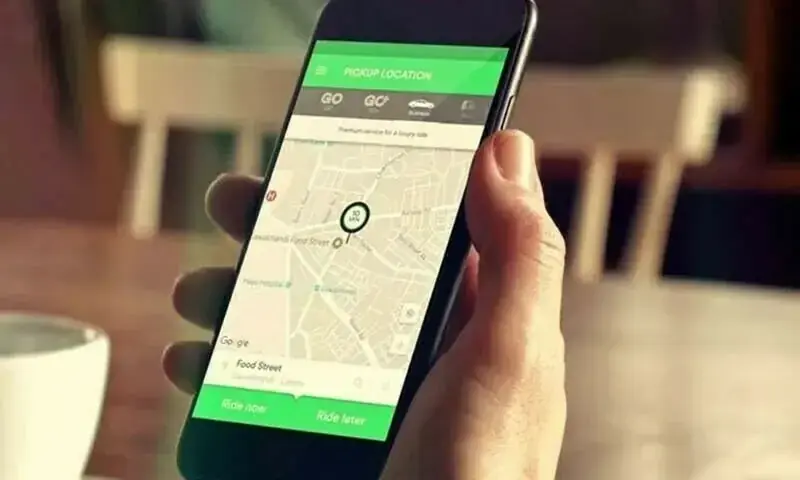
LAHORE: Ride-hailing companies have raised concerns over Punjab’s move to place app-based transport services under the Motor Vehicles Ordinance 1965, warning that the proposed permit structure could create added costs and operational hurdles for drivers who work across districts or on multiple platforms.
The central objection is to the requirement under Section 44B for ride-hailing vehicles to obtain district-specific and platform-specific permits. In practice, that could mean a driver using more than one app and working in more than one district would need several separate permits, each with its own fee and renewal process.
Industry stakeholders say the model does not fit how app-based transport actually works. Drivers accept bookings without advance knowledge of the destination and can cross administrative boundaries several times during a single shift, particularly in large urban centres. That, they argue, creates a mismatch between the proposed regulatory regime and the flexible, on-demand nature of ride-hailing services.
A ride-hailing company executive said, "The proposed system will significantly increase the regulatory and financial burden on drivers using multiple platforms." He added, "A driver operating in two districts on two apps could require four permits, each involving separate fees and paperwork."
The executive said the added requirements would further strain full-time and part-time drivers already facing higher fuel, maintenance, insurance and financing costs. He said the sector supports oversight in areas including passenger safety, vehicle standards, driver accountability, insurance and taxation, but argued that regulation should be designed around the realities of the digital economy.
Punjab authorities say the step is aimed at improving passenger safety, accountability and regulation in a rapidly growing sector. In response, industry representatives have proposed a single provincial permit linked to either the driver or the vehicle, supported by a centralised digital registration system, instead of multiple district-based approvals.
The same executive welcomed the broader push to regulate the sector, saying, "This regulatory initiative is welcomed," but urged the government to revisit the permit mechanism to avoid what he described as unnecessary costs and geographic restrictions.
Comments
No comments yet. Be the first to join the discussion!


