Punjab eases property certificate rule as land record gaps slow rollout
Punjab has resumed issuing computerized land record extracts in computerized revenue estates after early problems in the rollout of the Green Property Certificate. Officials say incomplete digitisation and record disputes are slowing the new system.


LAHORE: Punjab has partially stepped back from its new property verification regime after implementation problems forced the resumption of computerized land record extracts in computerized revenue estates, only days after the Green Property Certificate was made mandatory for land transactions from July 1.
The move has put the spotlight on the province’s unfinished land record overhaul, with applicants in multiple areas struggling to secure the new certificate because digitisation remains incomplete and record discrepancies continue to block verification.
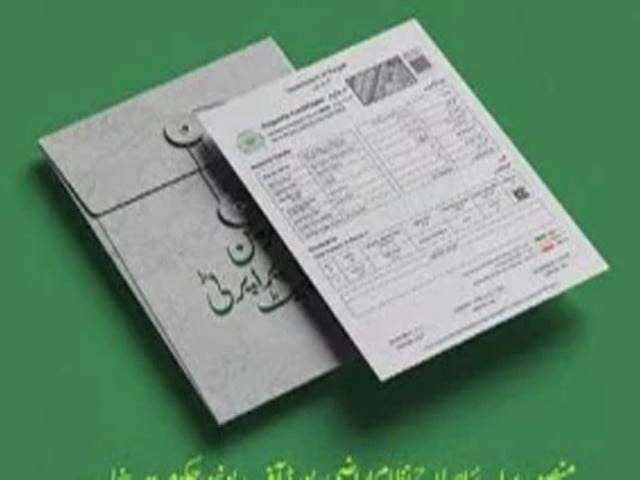
Officials had introduced the Green Property Certificate for property sales, transfers and other land dealings to confirm ownership, possession, boundaries and legal status through a technology-based system aimed at preventing fake transfers, double sales and other fraud.
But the rollout quickly ran into resistance on the ground. Citizens, lawyers and real estate professionals reported difficulties in obtaining the document, while no clear policy has yet been announced for non-computerized areas.
Digitisation gaps and record disputes
Ali Raza Butt, Deputy Director of the Punjab Land Records Authority, said about 96 per cent of Punjab’s land records had been digitized, while the remaining four per cent was still pending because of historical and administrative complications. He said most non-digitized revenue estates were in areas affected by ownership disputes or long-standing deficiencies in records, and added that work on their digitisation was continuing.
He said the certificate was meant to provide citizens with verified properties after ownership, boundaries, possession and legal status had been thoroughly checked. Wherever discrepancies exist, he said, the certificate would only be issued after the records are corrected.
Property dealer Mian Ishtiaq Ahmad said incomplete digital records in older and suburban revenue estates of Lahore, as well as in Sheikhupura, Kasur, Nankana Sahib, Okara, Sahiwal, Bahawalpur, Muzaffargarh, Layyah, Rajanpur, Dera Ghazi Khan, Mianwali, Bhakkar and parts of South Punjab, had led to repeated visits by citizens to land record centres and revenue offices.
Revenue officials said many objections were linked to boundary demarcation, verification of possession, joint ownership, inheritance disputes and pending court cases. In a number of places, mismatches between old records and the present on-ground position have required fresh surveys or corrections before any certificate can be issued.
Legal and administrative complications
Lahore High Court lawyer Rana Sajid Yousaf said the new framework becomes especially difficult in cases involving joint ownership, inherited properties, mortgaged land and disputed title, because an error in the record of even one co-owner can hold up the entire transaction.
Shahid Ansar Goraya, president of the Patwari Association Punjab, said the province had not carried out a comprehensive land settlement survey for the past 125 years. He said data-entry mistakes made during the digitisation drive launched in 2007 had deepened current difficulties.
Goraya said indivisible land records in some districts, multiple properties entered under a single survey number and outdated boundary demarcations remained major barriers. He said a durable fix would require a province-wide resurvey, correction of land records and updated demarcation of urban boundaries.
Experts say the Green Property Certificate could still become a significant instrument for cleaner land governance, but only if the province can align digitisation, field verification, boundary surveys and phased implementation with the realities of disputed and outdated records.
Comments
No comments yet. Be the first to join the discussion!