Pakistan urged to adopt long-term water policy as flood risks intensify
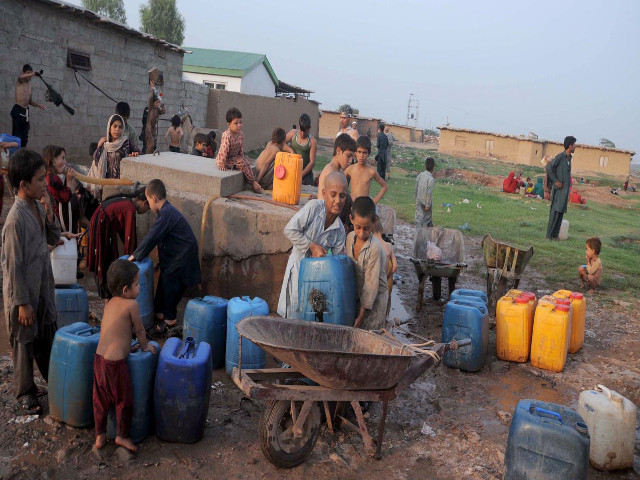
A policy paper launched in Islamabad has urged Pakistan to shift from emergency flood response to a comprehensive water security strategy. The study links rising flood danger and water stress to climate change, weak infrastructure and poor groundwater management.

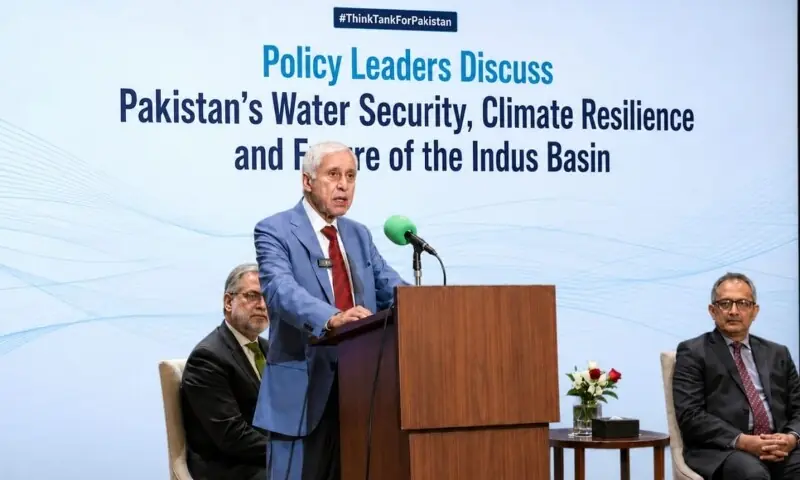
ISLAMABAD: A policy paper launched in the capital has called for Pakistan to place water security at the centre of national planning, arguing that repeated monsoon pressures and a widening water crisis cannot be handled through short-term flood response alone.
The study, titled Water, Climate and Diplomacy: Securing Pakistan’s Indus Basin Future, was unveiled by EMPAK Strategies at a seminar in Islamabad. It says the recent increase in Chenab River flows during the monsoon has highlighted deep shortcomings in the country’s water management system.
The paper links Pakistan’s rising exposure to climate-related disasters to a mix of extreme rainfall, upstream river flows, limited storage capacity, ageing irrigation systems, weak groundwater governance and inadequate flood preparedness. It further identifies climate change, rapid glacier melt, population growth, deteriorating irrigation networks, unchecked groundwater extraction and mounting stress on the Indus Basin as factors driving a severe water security crisis.
Five priorities proposed
The report sets out five policy areas it says should guide a national response. These include full implementation of the 1991 Water Apportionment Accord, expansion of strategic water storage and flood management infrastructure, stronger hydrological cooperation with China and technical dialogue with Afghanistan, promotion of climate-smart agriculture alongside digital water accounting and groundwater regulation, and efforts to secure international climate finance by making water security central to Pakistan’s climate, economic and national security agenda.
Ahmad Younis, chief executive officer of EMPAK Strategies, said the latest rise in Chenab flows showed that water security should not be treated only as a seasonal flood issue.
Minister comments on treaty
Speaking at the seminar, Minister for Investment Qaiser Sheikh said the Indus Waters Treaty could not be suspended or ended by one side alone. He said any such action by India would be illegal and contrary to international law.
Qaiser Sheikh warned that persistent disputes over water could carry implications beyond South Asia, saying the issue could affect global peace and economic stability.
Comments
No comments yet. Be the first to join the discussion!