Ginners seek EFS audit as cotton trade weakens amid rain fears
Pakistan’s cotton sector has sought a strict audit of imports under the Export Facilitation Scheme, alleging under-invoiced Chinese fabric is entering the local market. Industry representatives also warned that rains, flood risks and tax pressures are deepening strain on cotton trade.

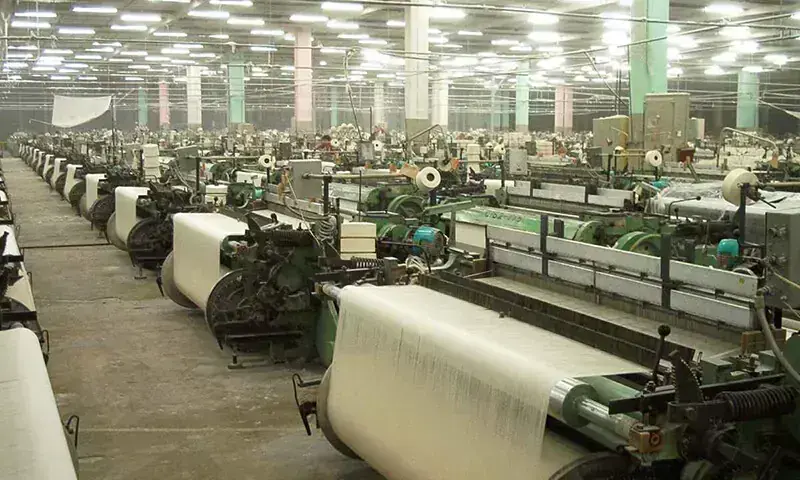
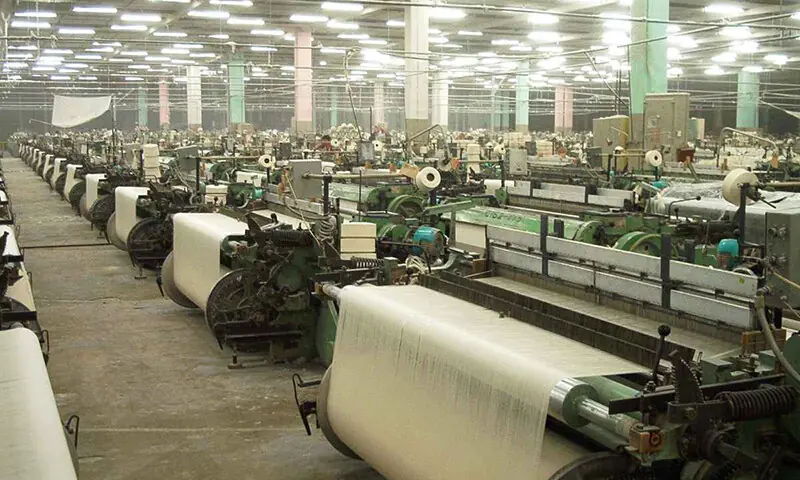
LAHORE: Pakistan’s cotton sector has called for a strict audit of imports made under the Export Facilitation Scheme (EFS), with industry representatives alleging that under-invoiced fabric from China is being diverted into the local market and adding to pressure on an already weakened domestic chain.
Cotton Ginners Forum Chairman Ihsanul Haq said the industry was struggling with falling cotton output, high energy prices, heavy taxation and costly bank financing. He said concerns that had earlier surfaced over under-invoiced cotton yarn imports from China being sold locally had now widened to include fabric imported under the same scheme.
He urged the federal government to examine all imports under the EFS, including cotton-related consignments, saying loopholes in the mechanism were hurting the domestic textile and cotton sectors. Haq said the All Pakistan Textile Mills Association had previously shared data with the Federal Board of Revenue on millions of kilograms of yarn allegedly brought in through under-invoicing under the scheme.
Import reliance and crop concerns
Haq said export-oriented mills had become increasingly reliant on imported cotton as local production and quality declined over the years. He also linked quality problems to the spread of sugarcane cultivation in traditional cotton-growing areas, saying the shift had created environmental conditions unfavourable for cotton.
According to Haq, textile mills signed sizeable cotton import deals this season with suppliers in the United States and Brazil. He said around 280,000 bales of US cotton were contracted in May, while imports from Brazil were expected to surpass that volume.
The industry is also watching the weather closely, with persistent rains in major cotton-growing regions and the threat of floods raising fresh concerns for the standing crop.
Prices retreat after brief rally
Cotton trading stayed subdued over the past week, while prices fell by Rs300 to Rs500 per maund. In Punjab, prices slipped to about Rs18,700 per maund, while in Sindh they moved between Rs18,000 and Rs18,200 per maund.
Karachi Cotton Brokers Chairman Naseem Usman said prices had initially risen by Rs500 to Rs600 per maund at the start of the week because of reduced phutti supplies. He said some ginners who had earlier sold large quantities at lower prices had either shut down or partially operated their factories to delay deliveries under those contracts, squeezing supply and triggering panic buying.
As arrivals of phutti improved, however, ginners increased sales and prices retreated from weekly highs. In Sindh, rates that had climbed to Rs18,500-18,600 per maund fell back to Rs17,800-18,000 by the weekend. In Punjab, they came down from Rs19,200-19,500 per maund to Rs18,600-18,700 per maund. The official spot rate also moved during the week in line with market conditions.
Market participants said deliveries of around 25,000 bales sold earlier at lower prices are still pending, indicating that supply pressures may continue to shape trading in the coming weeks.
Tax burden and undocumented trade
Haq also warned that maintaining a high sales tax on the ginning sector could push more business outside the documented economy during the current season. He said several hundred thousand bales could remain undocumented, lowering officially recorded national cotton production and undermining Pakistan’s standing in international cotton markets.
He called for a substantial reduction in the sales tax burden on ginners to discourage off-the-books transactions and support formal trade.
Comments
No comments yet. Be the first to join the discussion!