Pakistan explores route to renewed US-Iran talks after China-backed push
Pakistan is exploring a path to revive stalled US-Iran talks after a China-backed diplomatic push, according to source reports. The effort comes as Houthi attacks on Saudi Arabia complicate Islamabad’s potential mediation role.

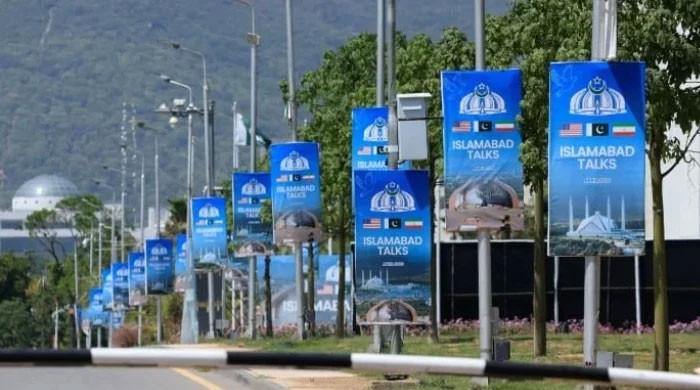
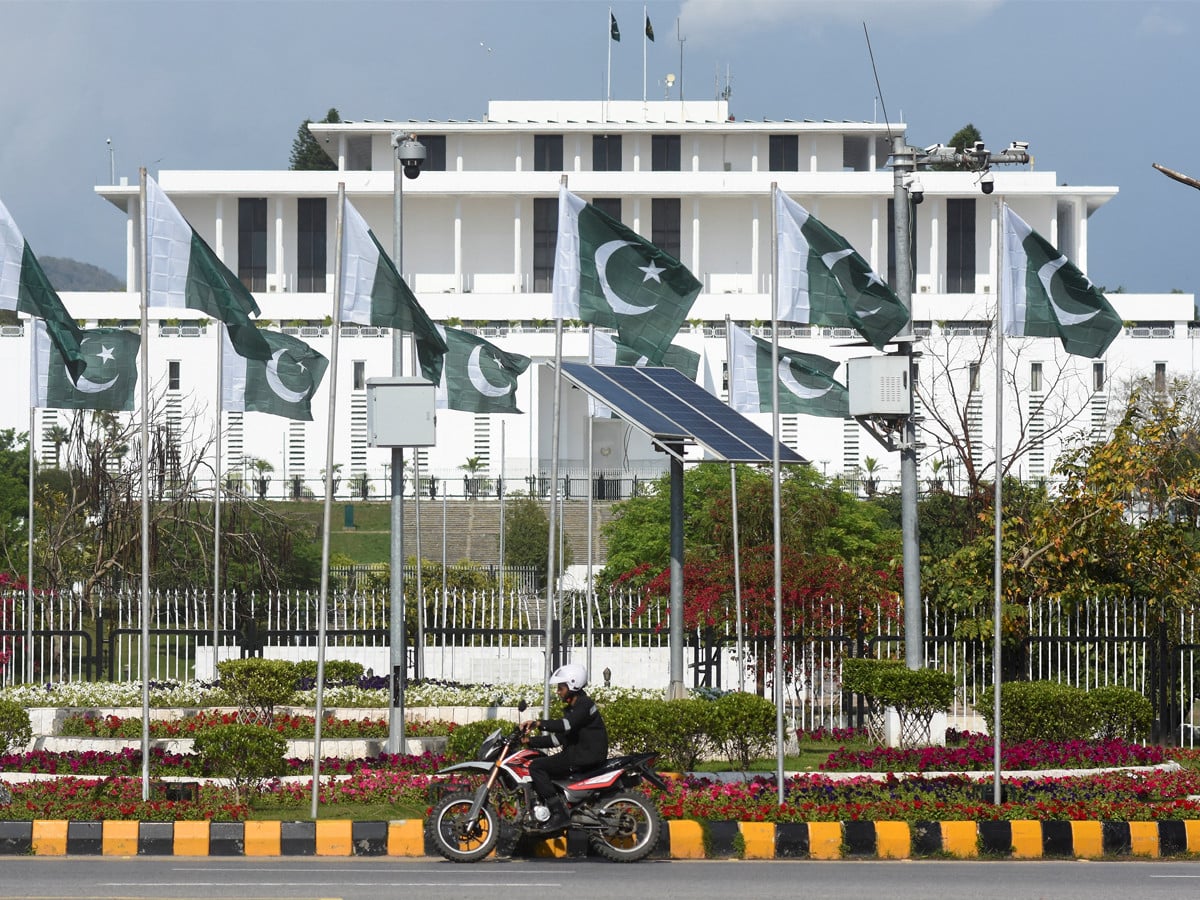
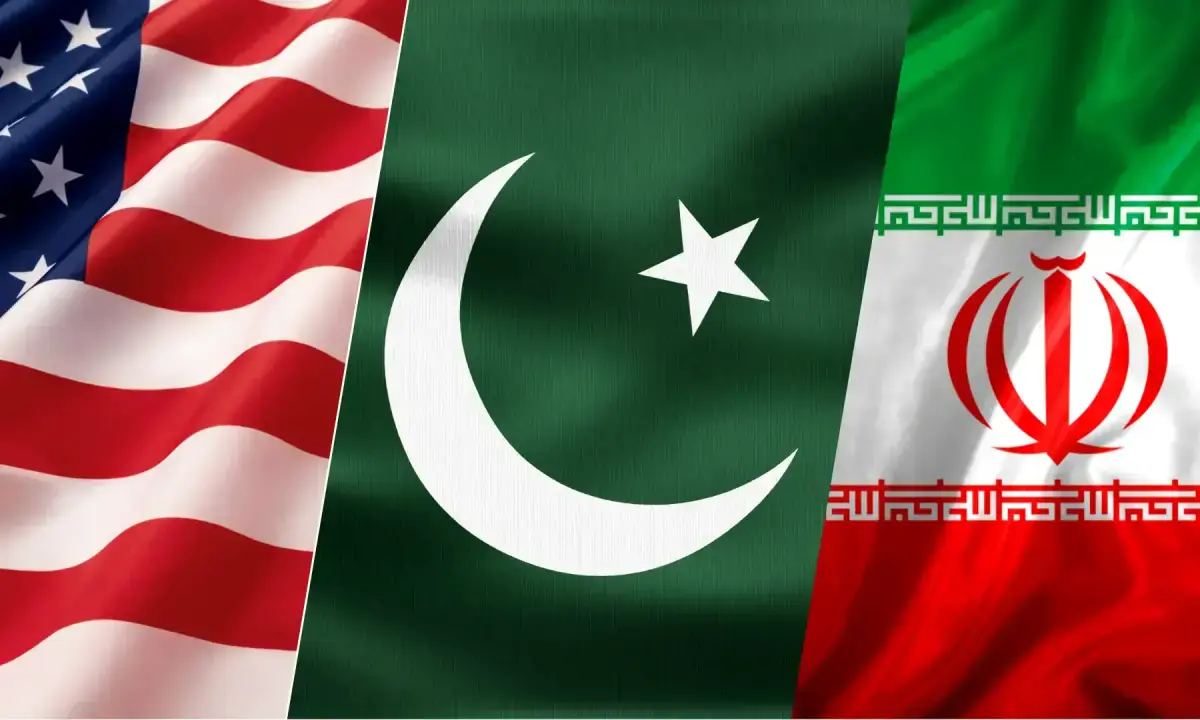
ISLAMABAD: Pakistan is examining ways to help revive stalled talks between the United States and Iran aimed at ending a conflict that has continued for nearly five months, following an initiative backed by China.
Exploratory discussions were held during Iranian Interior Minister Eskandar Momeni’s visit to Islamabad this week. It was his second trip to Pakistan in the last 10 days. Pakistani government statements said Momeni, described as close to Iran’s Revolutionary Guard Corps, met senior government leaders as well as Chief of Army Staff and Chief of Defence Staff Field Marshal Syed Asim Munir.
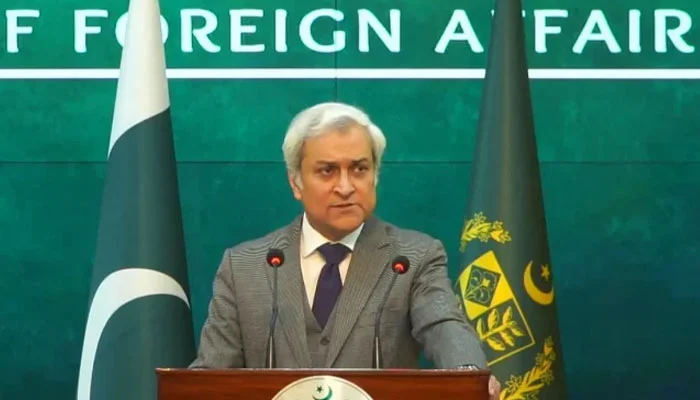
The sources, who spoke anonymously because they were not authorised to speak publicly, cautioned that major obstacles still stand in the way of any renewed dialogue with Washington. Deputy Prime Minister and Foreign Minister Ishaq Dar also discussed the latest Middle East diplomatic effort with Chinese officials during his visit to China last week.
China’s foreign ministry, in a statement, voiced support for Islamabad’s role. It said:
China supports the mediation efforts made by Pakistan and other parties.
The ministry added:
play an active role in restoring peace and tranquillity in the Middle East Gulf region as soon as possible.
Regional tensions complicate mediation effort
Pakistan’s potential role as a future mediator has become more complicated after Yemen’s Iran-backed Houthi movement announced a naval blockade against Saudi Arabia earlier this week. Saudi Arabia is described as a close ally of Pakistan and signed a mutual defence treaty with Islamabad last year.
Islamabad has strongly condemned recent Houthi attacks on Saudi Arabia. The Houthis said on Thursday they had targeted two Saudi oil tankers as part of the blockade, raising the possibility of another pressure point for global oil supplies alongside the near-closure of the Strait of Hormuz.
A Pakistani official said an end to attacks on Saudi Arabia and other Gulf countries was now essential before talks could restart. The official said this had been conveyed by Pakistan to Iran and described it as a pre-condition for resuming negotiations.
Background to the stalled process
The US and Iran signed a memorandum of understanding in June after mediation by Pakistan and Qatar to move towards ending the war. The arrangement was meant to create a 60-day period for negotiations on a lasting settlement.
However, indirect talks failed to produce progress, with both sides accusing each other of breaches before the conflict resumed. China has consistently supported Pakistan’s mediation efforts and in March sent its special envoy on a shuttle-diplomacy mission across the Middle East.
China is Iran’s biggest trading partner and the main buyer of its exported crude oil despite sanctions on Tehran. Beijing has, over time, expanded support for Iran’s security through dual-use components, chip equipment and satellite navigation systems, though it has not openly supplied military assistance to Iran since the war began.
Ishaq Dar and the Inter-Services Public Relations did not respond to requests for comment.
Comments
No comments yet. Be the first to join the discussion!