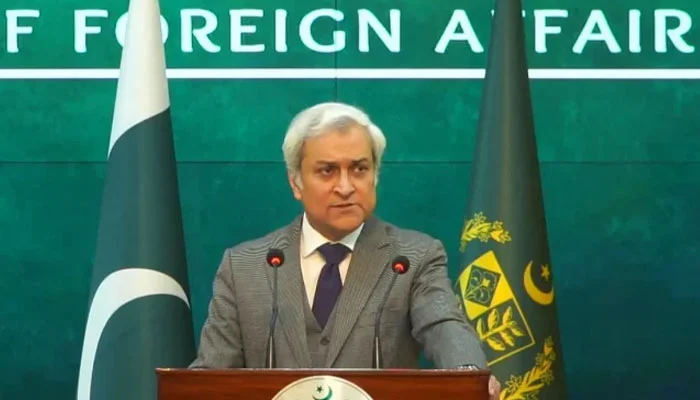
Pakistan rejects Amnesty's allegation, says report ignores cross-border terrorism threat
Pakistan says Amnesty’s claim of targeting a Kabul drug rehabilitation centre is based on advocacy, not a judicial finding. It argues the strikes targeted military and terrorist infrastructure tied to cross-border attacks.

ISLAMABAD: Pakistan has strongly rejected Amnesty International’s allegation that it targeted a drug rehabilitation centre in Kabul, stating that the report presents an advocacy finding rather than a judicial determination and ignores the broader security context of sustained cross-border terrorism emanating from Afghan territory.
Official sources said Amnesty International did not have access to Pakistan’s operational intelligence, targeting process or classified threat assessments. They maintained that the absence of visible weapons in selected post-strike imagery could not conclusively prove that the compound had no military function prior to the strike, particularly when intelligence assessments identified it as an explosives storage facility.
Pakistan’s official position, the sources said, is that no hospital or rehabilitation centre was intentionally targeted. The strikes were directed against military installations and terrorist-support infrastructure, including technical facilities, ammunition storage sites, drone-related equipment and infrastructure allegedly used by the Afghan Taliban regime to support terrorist proxies.
The sources added that precision-guided munitions were employed and targets were carefully selected. Visible secondary detonations observed after the strike, they said, supported the assessment that military materiel was present at the targeted location.
Officials acknowledged that any civilian death was tragic and deserved serious examination. However, they argued that accountability could not be selective and that any credible investigation must examine the complete chain of events, including the intelligence that led to the target selection, the possible co-location of military assets within a civilian-labelled complex, and the responsibility of Taliban authorities for allowing or placing terrorist and military infrastructure near civilians.
According to the sources, Amnesty International could not fairly assess the legality of the strike by examining only the impact site while excluding the operational context that led to Pakistan’s defensive action.
They said that context was years of sustained cross-border terrorism. Pakistan has repeatedly demanded verifiable action against Tehrik-e-Taliban Pakistan (TTP), described by the sources as a UN-designated terrorist organisation, and associated groups operating from Afghan territory.
These networks, the officials said, had planned attacks, trained fighters, moved weapons and dispatched suicide bombers into Pakistan, resulting in the deaths of civilians, soldiers, police officers, teachers and religious scholars. They added that repeated denials by Kabul had not ended the violence.
The sources said the central question was not merely why Pakistan acted, but why the Afghan Taliban had allowed its territory to become a platform for attacks against a neighbouring state despite repeated diplomatic engagement and international counterterrorism obligations.
Pakistan, they said, would support any impartial examination provided its scope included Afghan support, sanctuary and facilitation provided to anti-Pakistan terrorist groups.
Where operationally feasible, Pakistan would release declassified evidence, document Pakistani victims of cross-border terrorism and seek international scrutiny of TTP infrastructure in Afghanistan.
Officials further stated that human rights could not be invoked only after Pakistan responded to attacks. The right to life, they said, also belonged to Pakistanis targeted by terrorists sheltered across the border.
They concluded that selective outrage that ignored preceding aggression would produce neither justice, deterrence nor a basis for lasting peace between Pakistan and Afghanistan.
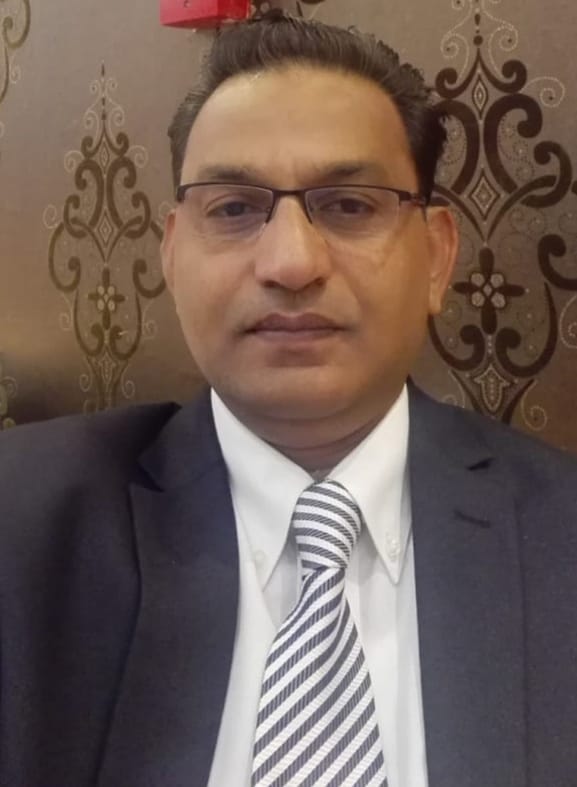
The writer is Head of News at Pakistan Today. He has a special focus on current affairs, regional and global connectivity, and counterterrorism. He tweets as @mian_abrar and also can be reached at [email protected]
View all articles →Comments
No comments yet. Be the first to join the discussion!