

Five pharma firms exited Pakistan after medicine price deregulation: PYPA
Pakistan Young Pharmacist Association representatives say multinational drug firms left after medicine price deregulation and cited sharp gaps between government procurement and market rates. Drap’s chief executive disputed the claim and said some firms left due to joint ventures or regional busines

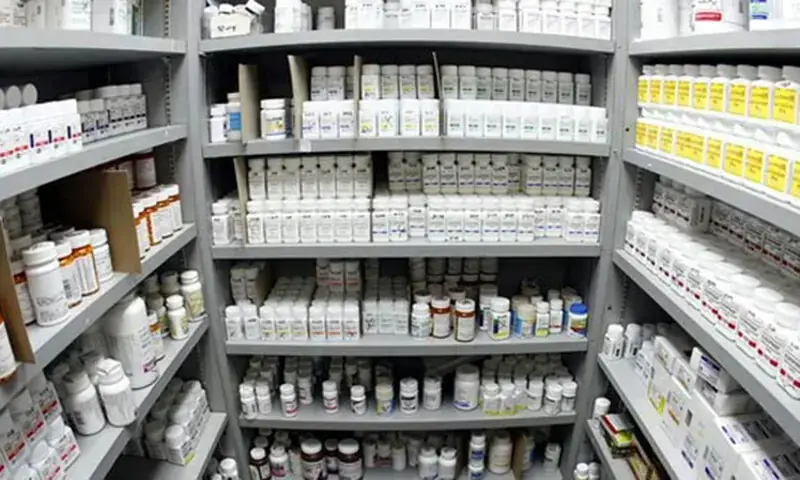
ISLAMABAD: Representatives of the Pakistan Young Pharmacist Association (PYPA) and other stakeholders said on Monday that five multinational pharmaceutical companies had left Pakistan after mandatory government controls on medicine prices were lifted around two years ago, and claimed the development caused an estimated $5 billion loss to the economy.
Addressing a press conference, the participants said nearly 500 allopathic pharmaceutical manufacturing units had been operating in Pakistan for decades, but most depended on imported raw materials, with a significant portion sourced from India. PYPA President Dr Hina Shaukat said Glaxo had produced pharmaceutical raw materials in Lahore during the 1980s and 1990s before shifting that activity to India.
Dr Shaukat also said Becton, Dickinson and Company had shut its manufacturing facility in Gujranwala and that M/s ASTO Life Sciences was now marketing BD products in Pakistan. She further alleged that unsterilised and substandard syringes and medical devices were contributing to the spread of diseases such as Aids and hepatitis, and said the Drug Regulatory Authority of Pakistan (Drap) did not have a testing facility for medical devices.
PYPA Chairman Mohammad Usman Hundal said the Punjab government was buying medicines at prices that were as much as 4,000 per cent lower than rates in the open market. Citing what he described as the Punjab Health Department’s medicine price list, he said Omeprazole 20mg was procured by the provincial government at Rs1.7 per unit, while Losec 20mg was available in the market at Rs67.85. He said Monelukast 10mg tablets were being bought at Rs3.07, while Singulair was sold at Rs93.
He also claimed that Esitalopram 10mg was purchased at Rs2.93 compared to Rs100 for Cipralex 10mg in the open market, while Pregabalin 75mg capsules bought for Rs6.21 were being sold at Rs143.67 as Lyrica 75mg. According to him, Atorvastatin 20mg tablets had a government procurement price of Rs2.73 but were available at Rs55 under the brand name Lipiget 20mg. He added that there were also major price gaps between procurement and market rates for medicines including Ceftriaxine 1 gram injection sold as Rocephin 1g, Tobramycin plus dexamethasone ED sold as Tobradex ED, Losartan potassium 50mg sold as Xavor 50mg, Fluconazole 150mg sold as Diflocan 150mg, Glimipride 2mg sold as Evopride 2mg, Moxifloxacin 400mg injection sold as Avelox injection, and Omprazole 40mg injection sold as Risek.
Mr Hundal said it was regrettable that Drap’s control over medicine prices had been removed by the caretaker federal cabinet on February 6, 2024, and urged authorities to restore government regulation of pricing. He said multinational firms including Lundbeck, Novartis and Pfizer had exited Pakistan.
Advocate High Court Liaquat John, who also spoke at the press conference, said pharmaceutical companies were commercial entities focused on profit rather than charity. He warned that if medicine prices rose tenfold on average, it would become extremely difficult for governments to continue providing free medicines in public hospitals. He also said the PML-N and PPP had historically focused on the welfare of poor patients and had pledged free medicines at government hospitals.
Auditor Lahore Bar Association Rahila Hafeez Rana and Advocate High Court Sara Mumtaz also addressed the event.
Drap response
When contacted, Drap Chief Executive Officer Dr Obaidullah Malik rejected the assertion that multinational companies had left Pakistan because of government or regulatory policies. He said some companies had entered joint ventures and therefore could not continue operating in Pakistan, while others had chosen to withdraw from the wider region in order to focus on Europe and other continents.
Responding to questions about the difference between open-market prices and the rates at which the government procures medicines, Dr Malik said that, to his knowledge, some companies supplied medicines to public hospitals at breakeven rates or even below that level so their products would gain public acceptance and be prescribed by professors.
Comments
No comments yet. Be the first to join the discussion!


