PM unveils sweeping livestock ‘reform agenda’ to unlock Pakistan's export and economic potential
Prime Minister Shehbaz Sharif launches PAITS traceability and a technology-driven livestock reform agenda to improve disease control, boost dairy and meat exports, and strengthen coordination with provinces.

Premier Shehbaz launches national livestock traceability system, calls for technology-driven transformation
Says govt to send another 1,000 agriculture graduates to China for advanced training
Announces full federal funding for indigenous Foot-and-Mouth Disease vaccine project
Modern livestock practices, value addition and disease control key to boosting dairy and meat exports
PAITS to strengthen traceability, livestock financing and access to premium global markets
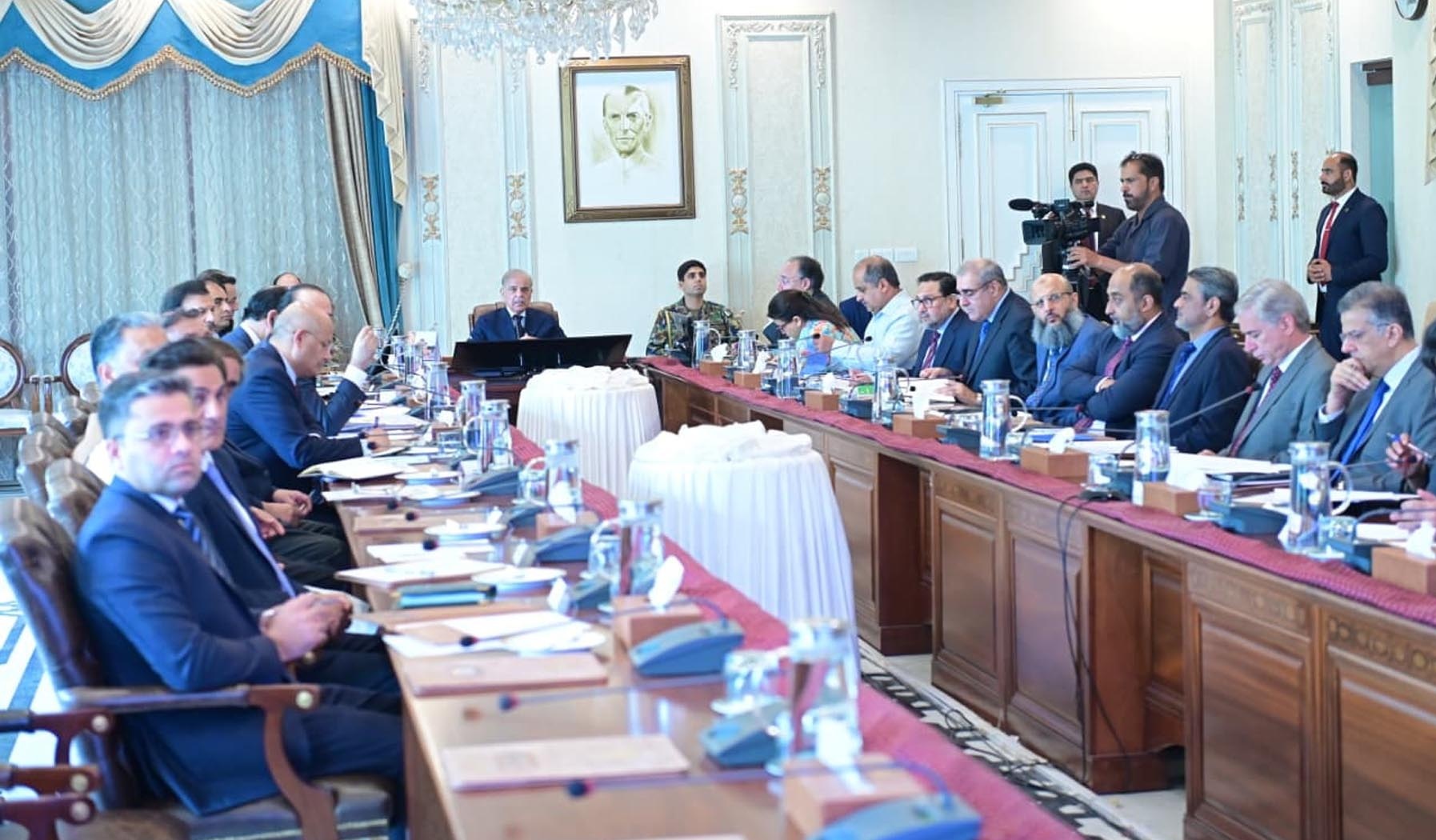
ISLAMABAD: Prime Minister Muhammad Shehbaz Sharif on Wednesday unveiled an ambitious national reform agenda to modernise Pakistan's livestock sector, saying agriculture and livestock possess the potential to significantly strengthen the national economy within a year through the adoption of modern technology, scientific research and close coordination between the federal and provincial governments.
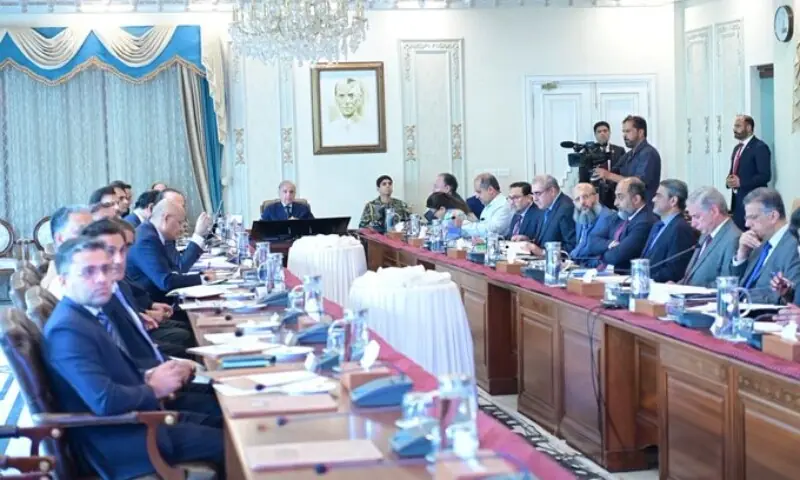
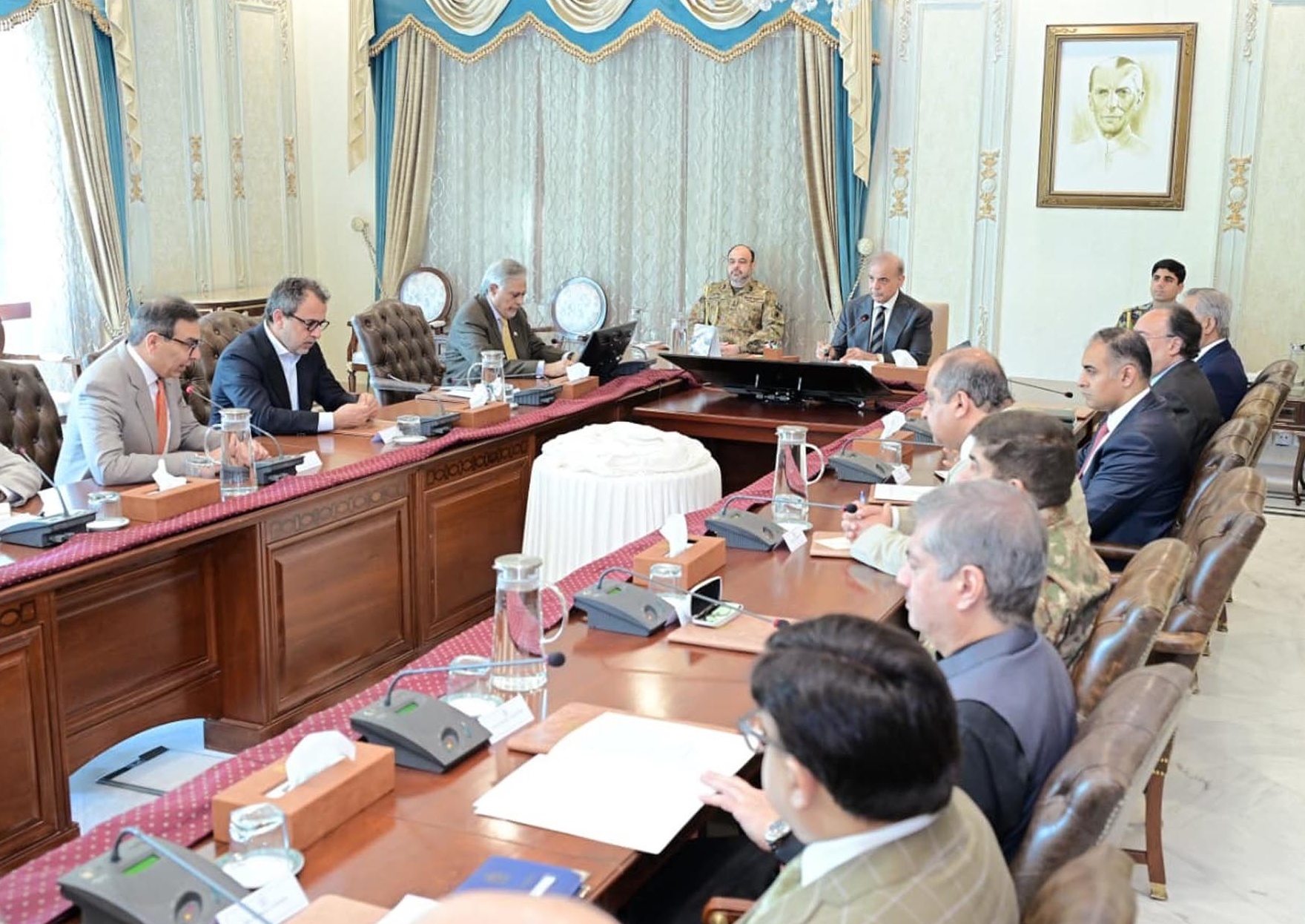
Addressing the national seminar titled "Harnessing Pakistan's Livestock Potential" after inaugurating the Pakistan Animal Identification and Traceability System (PAITS), the prime minister said Pakistan had been endowed with abundant natural resources, fertile land, ample water resources and hardworking farmers, but had yet to fully harness the immense potential of its agriculture and livestock sectors because of outdated production practices and inadequate value addition.
Prime Minister Muhammad Shehbaz Sharif launches Pakistan Animal Identification and Traceability System (PAITS). Islamabad, 15 July, 2026. pic.twitter.com/U3RTl13W6X
— Prime Minister's Office (@PakPMO) July 15, 2026
He observed that although Pakistan is the world's fourth-largest milk producer, the country continues to underperform in dairy and meat exports due to weak disease control mechanisms, inadequate traceability and limited processing infrastructure.
وزیراعظم محمد شہباز شریف نے پاکستان میں لائیو اسٹاک کی استعداد کے حوالے سے منعقدہ قومی سیمینار میں شرکت کی اور خطاب کیا. وزیرِ اعظم نے اپنے خطاب میں زراعت و لائیو سٹاک کو ملکی معیشت کی ترقی کیلئے کلیدی اہمیت کا حامل قرار دیتے ہوئے کہا ہے کہ وفاق رواں سال ایک ہزار مزید فریش… pic.twitter.com/Cof3g3nSzi
— Prime Minister's Office (@PakPMO) July 15, 2026
The prime minister stressed that improving livestock productivity, promoting modern farming practices and enhancing value addition were essential to expanding exports, creating employment opportunities and strengthening the national economy.
"زراعت کے شعبے سے فارغ التحصیل نوجوانوں میں جدید تربیت حاصل کرنے کا بے حد جذبہ موجود ہے۔ گزشتہ سال وفاقی حکومت نے اپنے وسائل سے ایک ہزار طلبہ و طالبات کو چین ریفریشر کورس کے لیے بھیجا تھا۔ اس سال بھی چاروں صوبوں، آزاد جموں و کشمیر اور گلگت بلتستان سے ایک ہزار نئے گریجویٹس کو… pic.twitter.com/rPXUu5VgRj
— Government of Pakistan (@GovtofPakistan) July 15, 2026
To accelerate agricultural modernisation, Prime Minister Shehbaz announced that the government would send another 1,000 agriculture graduates from all four provinces, Gilgit-Baltistan and Azad Jammu and Kashmir to China for advanced agricultural training.
Prime Minister Muhammad Shehbaz Sharif addresses at the National Seminar on Harnessing Pakistan's Livestock potential. Islamabad, 15 July 2026. pic.twitter.com/R2zRBpchIB
— Prime Minister's Office (@PakPMO) July 15, 2026
He said the initiative follows the successful completion of an earlier programme under which 1,000 graduates received specialised training in modern agricultural techniques and international best practices.
The prime minister directed the relevant authorities to fully incorporate the lessons learned from the first batch into the next phase of the programme and underscored the importance of close collaboration between the federation and provinces despite agriculture being a devolved subject under the 18th Constitutional Amendment.
In another major announcement, Prime Minister Shehbaz approved full federal funding for the indigenous development of a Foot-and-Mouth Disease (FMD) vaccine, saying the project would be managed professionally through outsourcing to ensure compliance with international standards.
"فُٹ اینڈ ماؤتھ بیماری کے لیے وفاقی حکومت فنڈنگ فراہم کرے گی۔ اس منصوبے کو پیشہ ورانہ بنیادوں پر آؤٹ سورس کیا جائے گا تاکہ بہترین نتائج حاصل کیے جا سکیں۔ جب تک ہم اس بیماری پر قابو نہیں پاتے، اس وقت تک برآمدات میں حقیقی پیش رفت ممکن نہیں۔"
وزیراعظم محمد شہباز شریف کا پاکستان… pic.twitter.com/URevQfyGvd— Government of Pakistan (@GovtofPakistan) July 15, 2026
Congratulating the organisers of the national seminar, the prime minister described livestock sector reforms as a long-term national undertaking requiring consensus, continuity and effective coordination between the federal and provincial governments.
Welcoming representatives from across the country, he said Pakistan must now move beyond rhetoric and focus on practical implementation to unlock the enormous economic potential of the livestock sector.
"لائیو اسٹاک کے شعبے کی ترقی، ایک طویل سفر ہے، جسے وفاقی اور صوبائی حکومتوں کو مل کر طے کرنا ہوگا۔ اللہ تعالیٰ نے پاکستان کو زرخیز زمین، وافر پانی، پہاڑ، دریا اور محنتی کسانوں سے نوازا ہے، لیکن جدید آلات اور ٹیکنالوجی کی کمی کے باعث ہم ان شعبوں میں خطے کے دیگر ممالک سے بہت پیچھے… pic.twitter.com/wm8xdXCQag
— Government of Pakistan (@GovtofPakistan) July 15, 2026
Strong Commitment To Making Livestock Development A National Priority
Earlier, Federal Minister for National Food Security and Research Rana Tanveer Hussain welcomed the prime minister and said his participation reflected the government's strong commitment to making livestock development a national priority.
He said the government's sustained focus on agriculture over the past two years had resulted in significant reforms aimed at ensuring food security for Pakistan's growing population while simultaneously increasing agricultural exports.
Rana Tanveer Hussain noted that 1,000 agriculture graduates had already completed specialised training in China and announced that another batch would soon be dispatched under the government's capacity-building initiative.
He further said the Pakistan Agricultural Research Council (PARC) was being transformed with the support of advanced Chinese agricultural research institutions to strengthen scientific research and innovation.
Highlighting the sector's export potential, the minister said Pakistan's dairy exports could generate approximately US$14.5 billion, while meat exports have the potential to earn nearly US$5 billion annually if the livestock sector is comprehensively modernised.
He said the government's reform agenda would focus on herd improvement, disease control, technology adoption and nationwide livestock traceability to enhance productivity and competitiveness.
The minister also highlighted the operationalisation of the National Seed Development Authority and government initiatives providing collateral support to farmers to improve agricultural productivity.
Chief Operating Officer of the Green Corporate Livestock Initiative (GCLI), Brigadier Ehtesham, said livestock remained an integral part of nearly every household in Pakistan and contributed approximately 14 percent to the national GDP.
He noted that Pakistan is home to around 110 million cattle and buffaloes, making it the world's fourth-largest milk producer, yet the country continues to face significant animal health challenges that limit access to premium international export markets.
Brigadier Ehtesham said the Green Corporate Livestock Initiative envisions transforming Pakistan's livestock sector through modern management practices, improved animal health services and greater participation by the private sector.
He stressed that Pakistan required a comprehensive policy reset that encourages private investment, modernises production systems and strengthens disease control mechanisms to unlock the sector's full economic potential.
Coordinator to the Prime Minister on Agriculture and Food Security Ahmad Umair said livestock contributes nearly 60 percent of Pakistan's agricultural GDP, making it the backbone of the country's agriculture sector.
He said future reforms would focus on increasing the productivity of each animal through better genetics, disease control, scientific breeding and improved nutrition rather than merely expanding livestock numbers.
Ahmad Umair identified genetics, disease management, nationwide traceability, improved access to finance and stronger coordination between the federal and provincial governments as the key pillars of the government's livestock transformation strategy.
He said the newly launched Pakistan Animal Identification and Traceability System (PAITS), developed jointly by the Food and Agriculture Organization (FAO) and the Punjab Information Technology Board (PITB), would significantly improve livestock documentation and traceability, enabling producers to access premium international markets.
The system, he added, would also facilitate livestock insurance and improve access to financing by transforming animals into bankable assets, thereby supporting sustainable growth and greater investment in Pakistan's livestock sector.
Comments
No comments yet. Be the first to join the discussion!