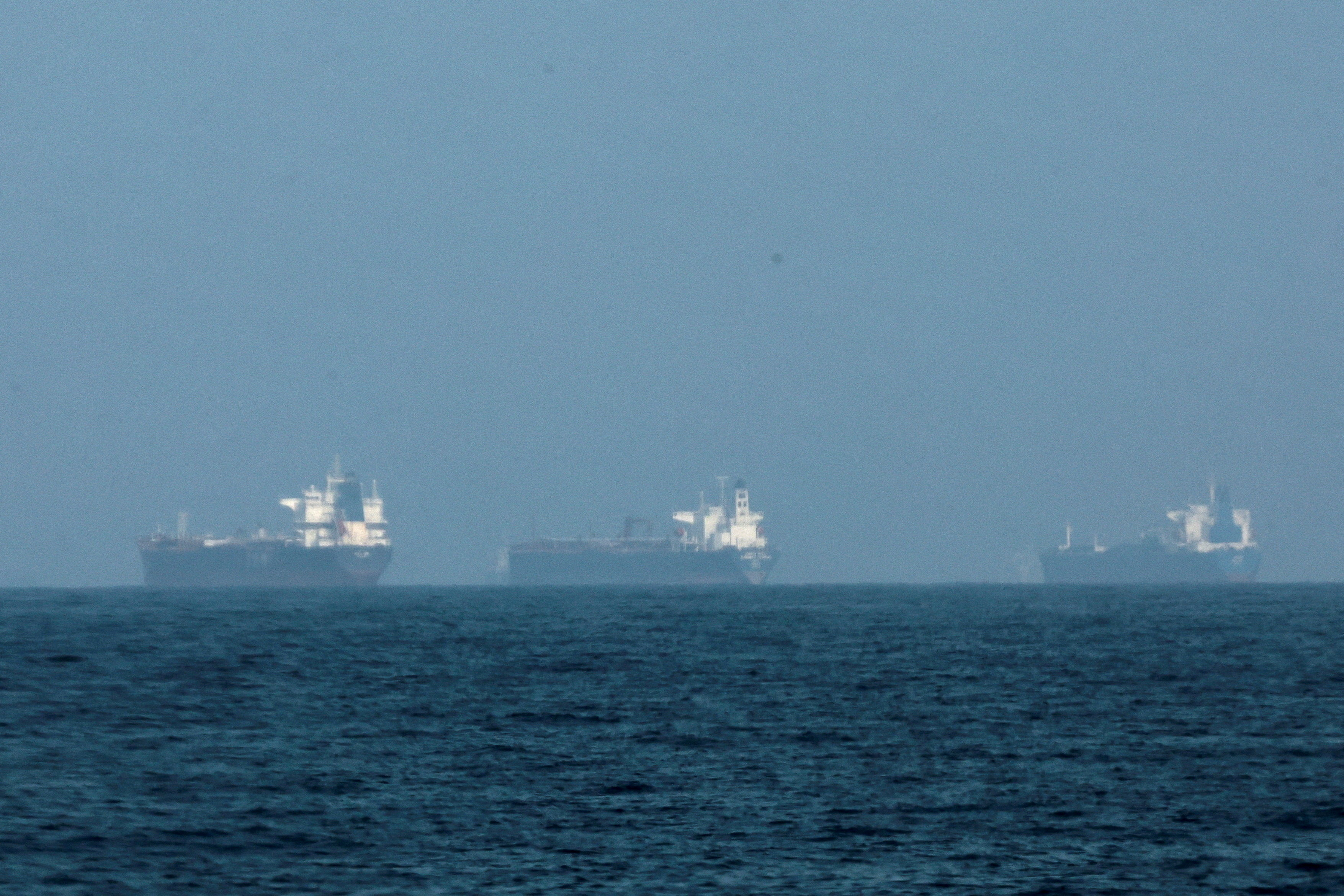
Iran threatens wider sea route closures as US expands strikes and blockade
Iran's Revolutionary Guard threatened wider sea route closures after the Strait of Hormuz was shut and the US restored a naval blockade on Iranian ports. Fresh US strikes, Houthi warnings and sharp oil price gains deepened regional tensions.

WASHINGTON: Iran's Islamic Revolutionary Guard Corps said it would seek to shut other export routes used by the United States and its allies after Iran closed the Strait of Hormuz and Washington restored a naval blockade on Iranian ports. The warning raised the prospect of further disruption to key maritime energy corridors in the region.
In a statement carried by the IRNA state news agency on Wednesday, the IRGC said regional energy shipments would either remain available to everyone or to no one. The Strait of Hormuz would stay closed until what it called the end of America's evils.
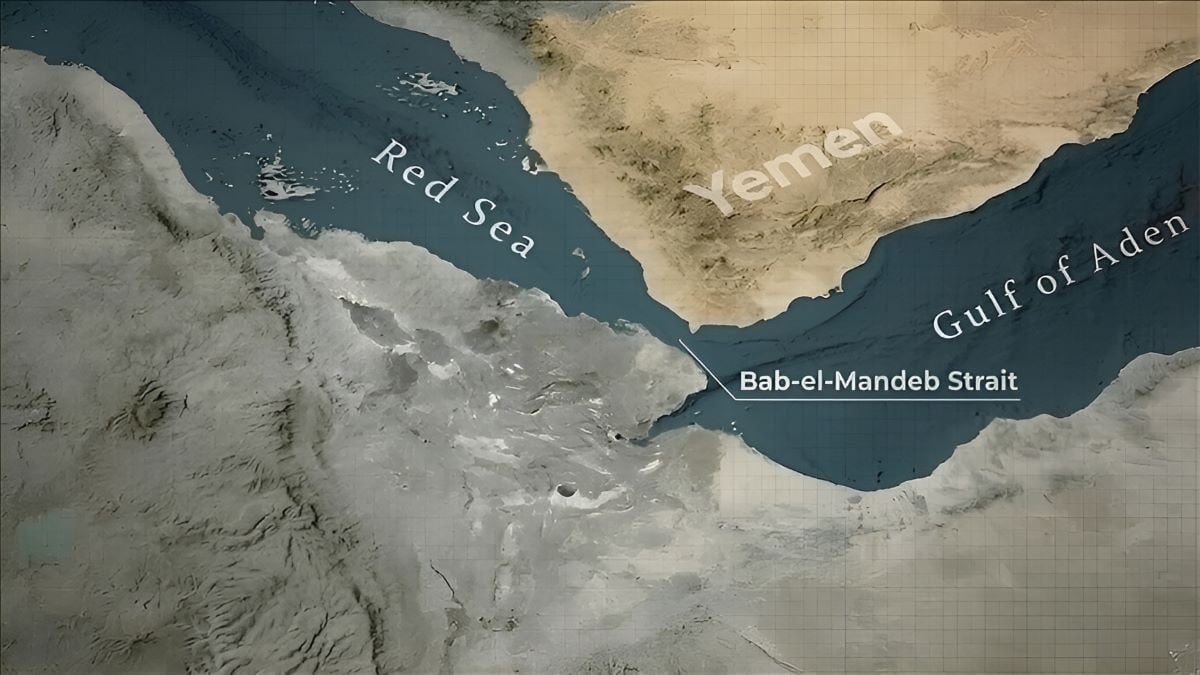
Analysts said Tehran appeared to be signalling that it could rely on its Houthi allies in Yemen to target the Bab el-Mandeb Strait, the narrow passage between the Red Sea and the Gulf of Aden. The route carries Saudi oil exports and a significant share of global shipping, meaning any closure there would put two major energy chokepoints under pressure at the same time.
A senior Houthi official warned on Monday that the group was ready to shut the Bab el-Mandeb Strait if Saudi Arabia continued attacking Yemen. The official said such a move could drive oil prices to $200 a barrel. The warning came after Houthi forces launched missiles at Saudi Arabia, accusing the kingdom of bombing an airport under their control on Monday and ending a four-year truce in the conflict.
US and Iran exchange new threats
The Houthis had already demonstrated their ability to disrupt trade through the Bab el-Mandeb after the Gaza war began in October 2023, when the Iran-backed group attacked commercial vessels in the Red Sea, saying it was targeting ships linked to Israel in support of Palestinians.
The latest maritime threat followed a fresh US military campaign. The US military said it had launched a new round of strikes to continue reducing Iranian capabilities used against commercial shipping in the Strait of Hormuz. The United States said Iran had attacked seven commercial ships over the previous week, leaving nearly a dozen crew members dead, missing or injured.
US Central Command said late on Tuesday that it had completed another wave of attacks on Iran, striking dozens of military targets near the Strait of Hormuz and in coastal areas over a seven-hour period. In its statement, CENTCOM said US fighter aircraft, drones and naval vessels used precision munitions against Iranian missile and drone positions, naval assets and coastal defence systems to further weaken Tehran's capacity to threaten shipping and civilian crews.
The command also said the strikes took place on the same day that US forces resumed a naval blockade on vessels travelling to or from Iranian ports and coastal areas. CENTCOM added that American forces remained ready to carry out further operations ordered by the US president.
US President Donald Trump said on Tuesday that Washington could strike Iranian power plants and bridges the following week if Tehran did not return to negotiations. Speaking in an interview with Fox News' Trey Yingst, Trump said US officials had warned their Iranian counterparts to make a deal. He also said he would hold off on energy infrastructure initially, but might ultimately target it.
Regional fallout and UN exchange
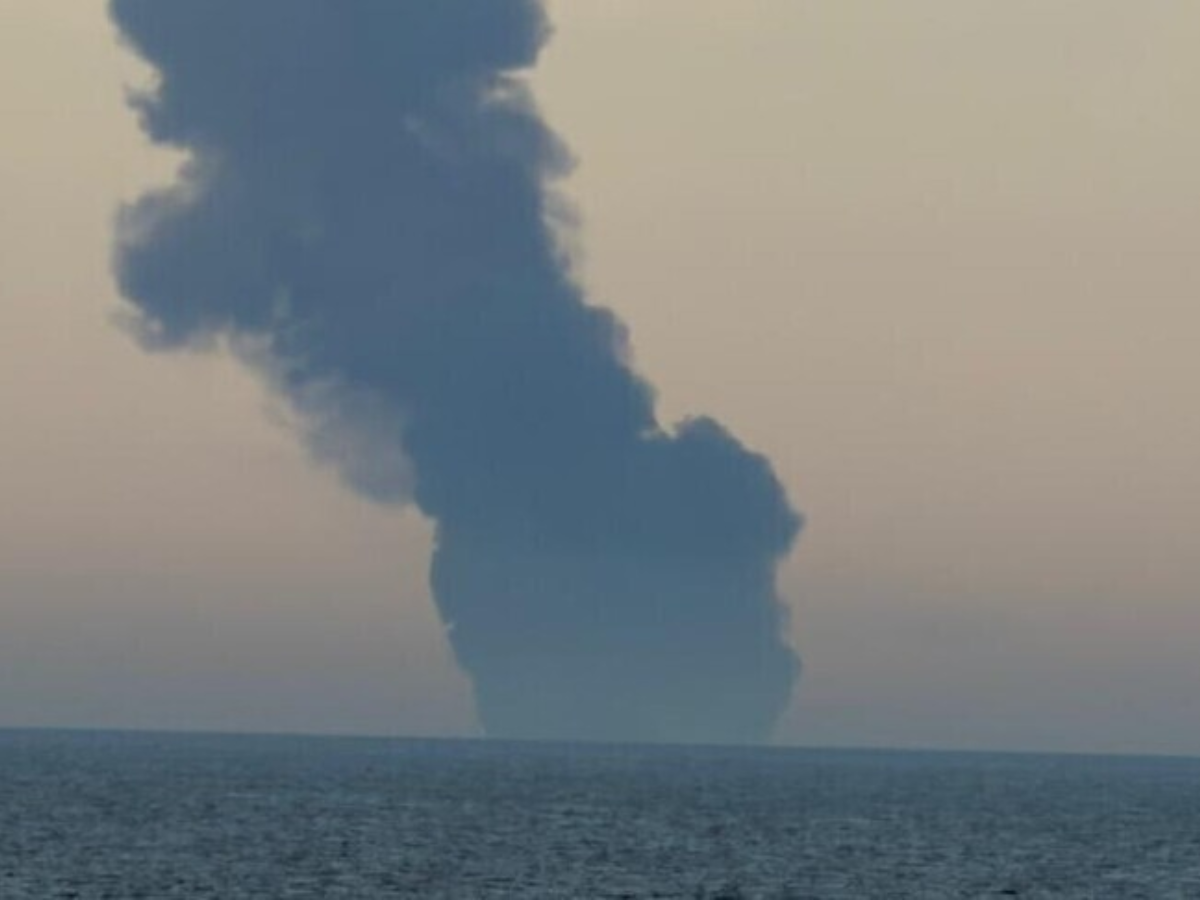
The IRGC said it had struck what it described as command, logistics, fuel and military equipment facilities linked to the US Fifth Fleet in Bahrain in retaliation for the American attacks. It had destroyed what it described as a US logistics site in Mina Abdullah in Kuwait and that its air force had hit what it described as a US base at Azraq in Jordan, targeting aircraft hangars. The Guards added that some US strikes had been launched from bases in Jordan.
Earlier on Wednesday, Kuwait's state news agency said a fire at a site hit in Iranian attacks had been brought under control. It was not immediately clear whether that was the same location mentioned by the IRGC. Jordan, meanwhile, said its air defences intercepted and shot down three ballistic missiles that entered its airspace from Iran early on Wednesday.
At the United Nations, Chinese Ambassador Sun Lei said US attacks on Iran had once again pushed the region towards what he called a dangerous precipice. He rejected US envoy Mike Waltz's accusation that China was not doing enough to stop the flow of goods to Iran and Yemen, calling the allegation completely baseless and saying China strictly controlled such exports.
Waltz told the UN Security Council in prepared remarks late on Tuesday that states such as Iran, and to some extent companies and entities in China, had violated a UN resolution imposing an arms embargo on the Houthis with little consequence. In a later exchange with the Chinese envoy, he said he was referring to dual-use items and satellite imagery supplied to Iran and the Houthis that had civilian applications but had also been used to threaten US partners, civilian aircraft and commercial shipping.
Hostilities between Iran and the United States flared again last week, undermining a fragile June truce that followed months of fighting and had killed thousands of civilians, mostly in Iran and Lebanon. Oil prices rose on Wednesday after closing 2% higher on Tuesday at a one-month high, as the renewed attacks worsened supply disruptions in the Strait of Hormuz. Brent settled at its highest level since June 12 and West Texas Intermediate at its highest since June 15, with both benchmarks rising further in early Wednesday trade.
Comments
No comments yet. Be the first to join the discussion!