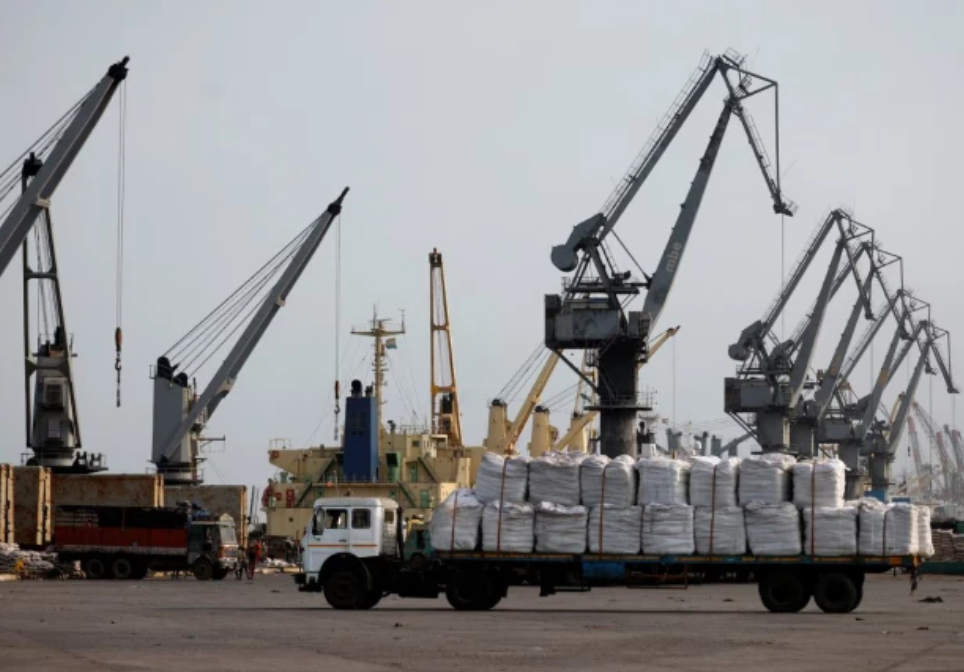
India digs in for better terms in trade talks with US
India has held back from sealing a quick trade deal with the US, seeking stronger tariff assurances and better terms. Analysts say stronger exports, alternative trade pacts and lower economic risks have strengthened New Delhi’s hand.

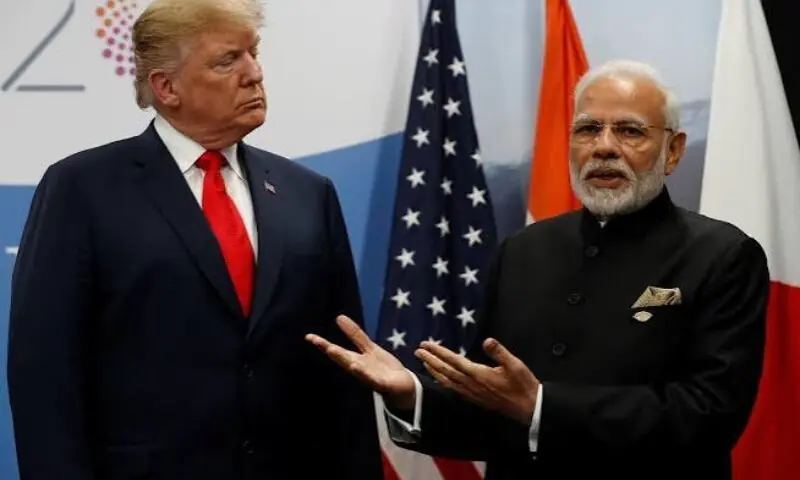
NEW DELHI: India has declined to rush into an interim trade agreement with the United States and is pressing for better terms. The two sides did not complete a limited pact during US Trade Representative Jamieson Greer’s visit to New Delhi last month, despite expectations that an interim arrangement could be finalised.
An Indian government official familiar with the negotiations said the talks failed to produce a consensus because Washington did not provide assurances on two central Indian demands: a tariff edge over competitors such as China, and a commitment that no additional US levies would be imposed after any agreement. The official also said New Delhi was unwilling to soften its position on sensitive sectors such as agriculture.
The official said, "Our position is clear — we don’t intend to rush into a deal that is not on favourable terms or compromise on red lines like ceding ground on agriculture."
Washington, meanwhile, had sought quicker concessions from India as President Donald Trump prepares new tariffs that could take effect later this month. While India’s tougher stance could expose its exports to higher duties and prolong uncertainty for businesses, New Delhi appears less inclined to settle quickly.
A day after meeting Greer, Indian Trade Minister Piyush Goyal said any deal with the United States would not be implemented unless it gave India an advantage, underscoring the government’s harder line despite the possibility of steeper tariffs.
Tariff pressure and differing positions
Most Indian goods currently face a 10 per cent US tariff, as is the case for many countries. However, the Trump administration is expected to roll out higher duties later this month through investigations linked to excess industrial capacity. India has rejected US accusations that it has surplus capacity.
Washington has also proposed fresh tariffs of as much as 12.5 per cent on dozens of countries, including India, over claims they did not do enough to stop trade in goods allegedly produced with forced labour.
A US source aware of the negotiations said Washington’s position is that India must earn the preferential trade treatment it wants by making concessions of its own. Another US official, speaking anonymously, said the United States remained engaged and still expected an agreement, though no timeline was given. The official added that India had at times been slow, bureaucratic and difficult in the talks, suggesting that a quick deal was unlikely.
Asked about the deadlock, White House spokesman Kush Desai said, "The Trump administration continues to productively engage with Indian officials to finalise a historic trade deal that puts Americans and America First."
India’s trade ministry and the Office of the United States Trade Representative did not respond to emailed requests for comment.
Stronger exports and wider options
Trade analysts said India’s position has been strengthened by rising exports, new market-opening deals with other partners and reduced economic risks. In April-June, India’s overall goods exports increased by about 15 per cent from a year earlier despite disruption caused by the US-Israeli war on Iran, helped by higher-value petroleum shipments, officials said.
Exports to Gulf countries recovered to pre-war levels, rising to $5.3 billion in May from $2.62 billion in March after traders turned to alternative shipping routes. Exports to the United States also edged higher, reaching $17.29 billion during April and May.
India is also expanding access to other developed markets. A free trade agreement with the United Kingdom is due to take effect this month, while an agreement with the European Union is expected by early next year.
Wendy Cutler, senior vice president at the Washington-based Asia Society Policy Institute and a former US trade official, said India’s negotiators had gained leverage because of the country’s economic strength, its diversification efforts with other partners and its strategic importance globally.
Goldman Sachs economist Santanu Sengupta said in a report that the interim US-Iran peace deal had improved India’s economic outlook by easing oil prices. The bank raised its 2026 growth forecast for India to 6.8 per cent and lowered its inflation and current-account deficit projections, indicating that New Delhi has more room to wait for more favourable terms. A weaker rupee has also improved the competitiveness of Indian exporters.
Political and legal calculations
Another Indian official said New Delhi is also weighing the possibility that some US trade measures could run into legal or political obstacles. A group of 22 Democratic state attorneys general have already filed objections to the Trump administration’s proposed tariffs stemming from forced labour investigations.
Analysts said that uncertainty surrounding the legality of US tariffs, together with Modi’s recent state election victories, has made it easier for India to avoid a hurried agreement. Senior figures in Modi’s Bharatiya Janata Party have also publicly maintained that trade deals should safeguard Indian farmers and small businesses, both long-protected and politically influential groups in India’s trade policy.
Ajay Srivastava, founder of the Global Trade Research Initiative and a former trade negotiator, said, "India realises that delaying — or even abandoning — a rushed deal may be more prudent than locking into obligations whose costs could far exceed any temporary tariff relief."
Comments
No comments yet. Be the first to join the discussion!