

UN says $4tr financing gap is obstructing global development goals
A UN report says a $4 trillion annual financing gap is putting the 2030 sustainable development goals at risk. It also points to setbacks in aid, poverty reduction, hunger, debt and climate indicators.

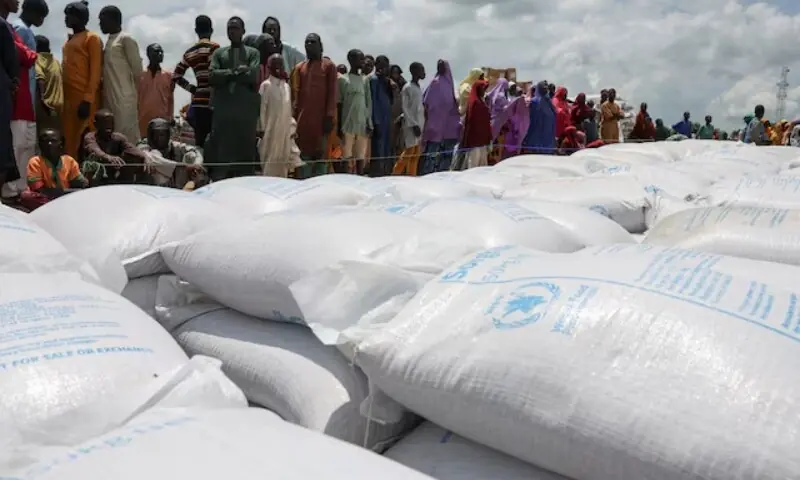
WASHINGTON: A new United Nations report says countries need urgent action to bridge a $4 trillion yearly financing shortfall if the sustainable development goals agreed a little over a decade ago are to be met by 2030.
The report says there has been meaningful progress on some targets, including expanded access to electricity, water and healthcare for billions of people. But it warns that multiple overlapping crises, coupled with a growing financing gap, are severely undermining broader progress.
Official development assistance fell by a record 23.1pc in 2025, dropping back to around 2015 levels. The decline includes assistance previously provided through the now dismantled US aid agency USAID.
Of the 139 SDG targets, the UN report says only 36pc are on track or showing moderate progress. Another 49pc are moving forward too slowly, while 15pc have slipped below their 2015 baseline levels.
Poverty, hunger and education
The report says around 10pc of the global population lives in extreme poverty, surviving on less than $3 a day. That is only three percentage points lower than in 2015, and the figure is projected to remain close to 9pc by 2030 unless additional measures are taken.
It adds that about 2.3 billion people, equal to 28pc of the world population, experienced moderate or severe food insecurity during the year, meaning they did not have regular access to adequate food at some point. A further 673 million people were living with chronic hunger. Both figures are above 2015 levels.
Most regions are expected to come close to ending extreme poverty by 2030, but the report identifies sub-Saharan Africa, the Middle East and North Africa, and Oceania excluding Australia and New Zealand as exceptions.
On education and labour, the report says child labour dropped by more than 20 million between 2020 and 2024. Even so, 273 million children and young people remain out of school, while young people are nearly four times more likely to be unemployed than adults.
Debt, displacement and climate pressures
The report says the global refugee population had risen to 440 per 100,000 people by the middle of 2025, which is more than double the level recorded in 2015. It also says the external debt of low- and middle-income countries climbed to a record $8.9 trillion in 2024.
On climate indicators, the UN says global temperatures in 2025 were 1.43C above pre-industrial levels, while atmospheric carbon dioxide reached its highest concentration in two million years.
Commenting on the findings, UN Secretary General Antonio Guterres said the report showed that progress can be achieved but is frequently inadequate.
"progress, although possible, is often insufficient."Guterres said major obstacles include the collapse in development assistance, heavier debt burdens, rising conflicts, weaker global economic growth and climate chaos.
Comments
No comments yet. Be the first to join the discussion!


