Death toll from China storms rises to 15, hundreds injured
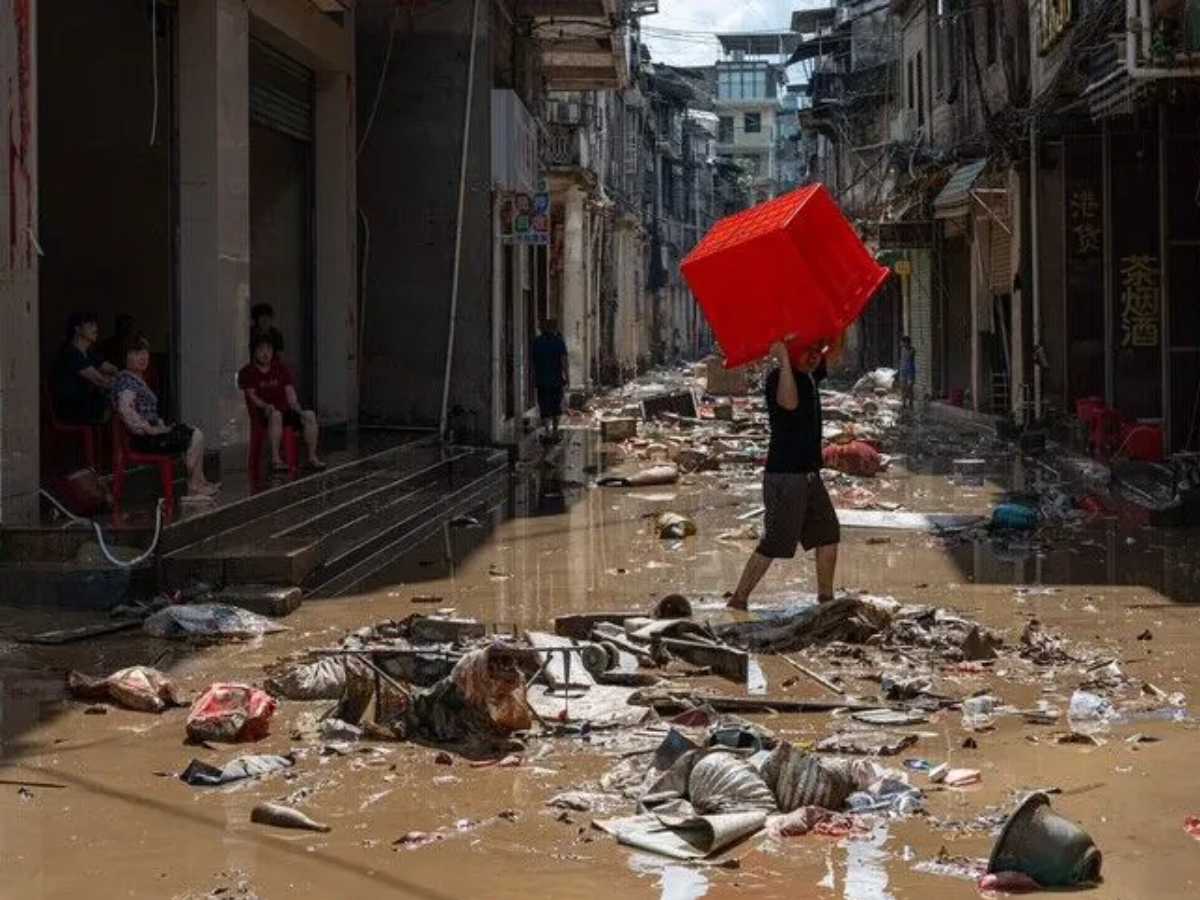
Storms and flooding in China have killed at least 15 people in Hubei and Guangxi, with hundreds injured and tens of thousands evacuated. A separate landslide in Gansu buried 33 people, state media reported.

BEIJING: Severe weather across parts of China has left at least 15 people dead, injured hundreds and forced large-scale evacuations, while a separate landslide in the country’s northwest buried dozens more.
Thunderstorms and gale-force winds killed at least 11 people and injured 331 in the central province of Hubei after severe convective weather struck several cities late on Monday. Tornadoes were also reported in other areas. One person remained missing, while 4,800 houses were damaged and 22 collapsed.
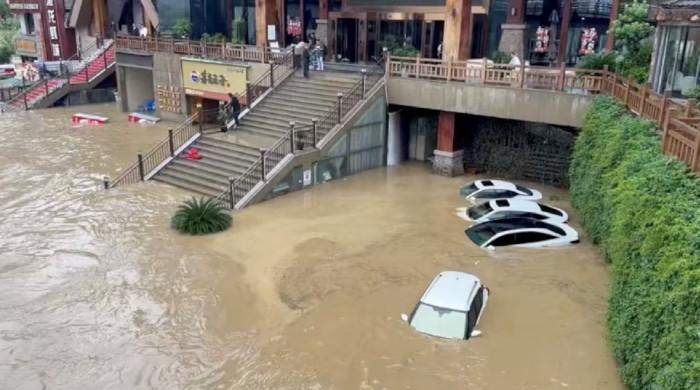
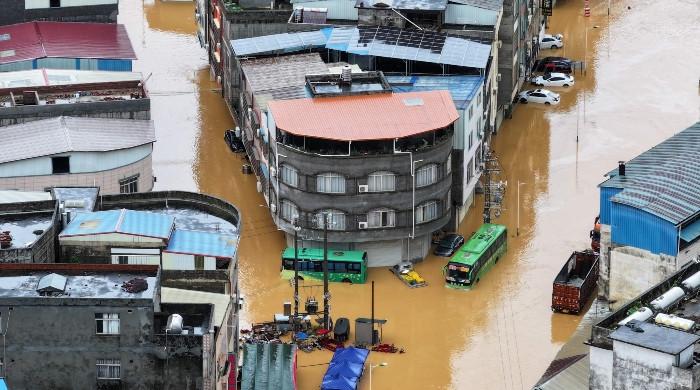
The weather system had a sudden onset and produced powerful winds over a short period. In southern Guangxi, heavy rain and flooding linked to Typhoon Maysak killed at least four people. At least 50,000 people were evacuated there, while eight people were still missing.
Flood emergency raised in Guangxi
In Nanning, the capital of Guangxi, officials raised the flood control emergency response to its highest level after torrential rain caused dams to be breached. Footage showed muddy floodwater surging through the broken concrete walls of a burst reservoir dam.
President Xi Jinping on Tuesday called for an intensified emergency response.
CCTV also said Xi stressed the need to treat those injured, resettle affected residents and carry out disaster prevention and relief measures effectively.
State media footage showed rescue teams in life vests and helmets searching for people, while other personnel used inflatable boats in affected areas.
Landslide in Gansu buries 33 people
Separately, a landslide hit a village in the northwestern province of Gansu on Tuesday morning, burying 33 people. 17 of them were successfully rescued, but the cause of the landslide was not specified.
Local authorities were making every effort to search for those still trapped, relocate and settle affected residents, and guard against secondary disasters.
Natural disasters frequently affect China, especially during the summer months, when some areas face intense rainfall and flooding while others endure extreme heat. At least 22 people were killed in May after heavy rain swept through central and southern parts of the country, with some locations recording rainfall at record levels.
Scientists have warned that global extreme weather events are expected to become more intense and more frequent as the planet warms because of fossil fuel emissions. China is the world’s largest emitter of greenhouse gases, but it is also a major producer of renewable energy and has set a goal of making its economy carbon-neutral by 2060.
Comments
No comments yet. Be the first to join the discussion!