

June 20, 2026
Bolivia declares emergency after weeks of protests despite union deal
Bolivian President Rodrigo Paz has imposed a state of emergency after weeks of road blockades and protests seeking his resignation. The move came despite a government deal with the main union federation, as some groups continued demonstrations.

June 20, 2026
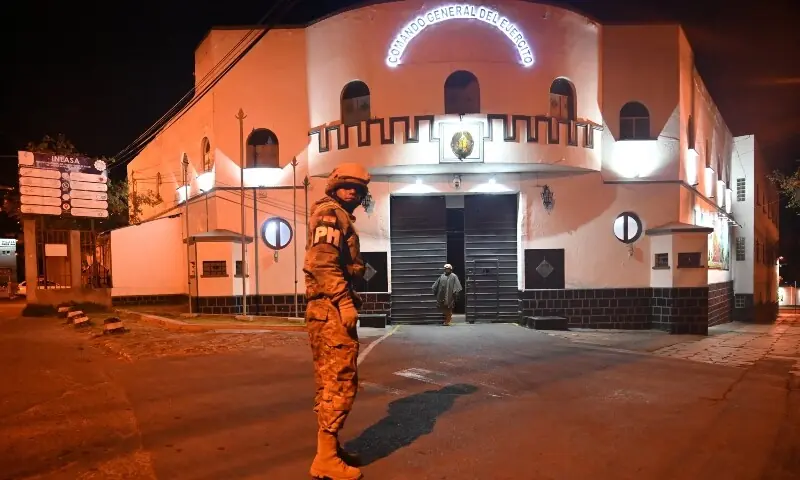
LA PAZ: Bolivian President Rodrigo Paz declared a nationwide state of emergency on Saturday after more than six weeks of road blockades and demonstrations calling for his resignation, even as the government secured an agreement with the country’s main trade union federation aimed at ending the unrest.
The move came hours after Paz signed a deal with the Bolivian Workers’ Central, or COB, which had launched the protest campaign in early May in opposition to his economic plans. The protests were triggered by proposals put forward by Paz to address Bolivia’s worst economic crisis in 40 years. Demonstrators, including blue-collar workers, farmers, miners, truck drivers and teachers, had demanded that the centre-right president reverse his economic reforms and step down.
In a televised address, Paz said the government had sought talks before resorting to emergency powers.
Paz has been in office for seven months, ending two decades of socialist rule in Bolivia. Road blockades set up during the protests have disrupted transport across the country and caused shortages of fuel, food and medicine in major cities, including La Paz.
Union agreement fails to end all blockades
The government reached its agreement with COB on Friday after negotiations that began last week. Mario Argollo, the federation’s leader, announced that protest action would end following the deal.
"From now on, pressure measures are lifted nationwide"Paz defended the accord by saying, dialogue is stronger than force itself.
Under the agreement, the government pledged not to privatise public companies, one of the unions’ central demands. It also agreed to form working groups made up of ministers and union leaders to address the protesters’ grievances. According to Argollo, the government has 90 days to show progress on several union demands.
"The ball is now in its court"Some groups reject deal and continue protests
Despite the agreement with COB, not all sectors were covered by it, and some unions kept their protests in place. Labour groups and coca growers in the Chapare region, a political stronghold of former president Evo Morales, said they would continue agitation.
Antonio Mallku, who leads one of the main workers’ unions, told Unitel that his group intended to intensify the campaign.
He added that Indigenous communities were unhappy with the settlement, saying:
"Our Indigenous brothers felt betrayed"Although the number of blockades has fallen from more than 100 at the peak of the unrest, about 50 remained in place. Paz said he had instructed the police and armed forces to restore movement on roads, reassert control over transport routes and ensure public safety. He also warned that anyone maintaining blockades or using violence would face the full force of the law.
Paz has alleged that the protests were driven by narcoterrorists linked to Morales. The former president is in hiding while facing charges related to the alleged trafficking of a minor, an accusation he denies.
0 Comments
No comments yet. Be the first to join the discussion!


