June 17, 2026
US-Iran deal leaves Netanyahu under pressure, analysts say
A US-Iran agreement has placed Israeli Prime Minister Benjamin Netanyahu under growing political and strategic pressure, according to international media and policy analysts. Reports say the deal has raised questions about his influence in Washington, his Iran strategy and his security credentials.

June 17, 2026
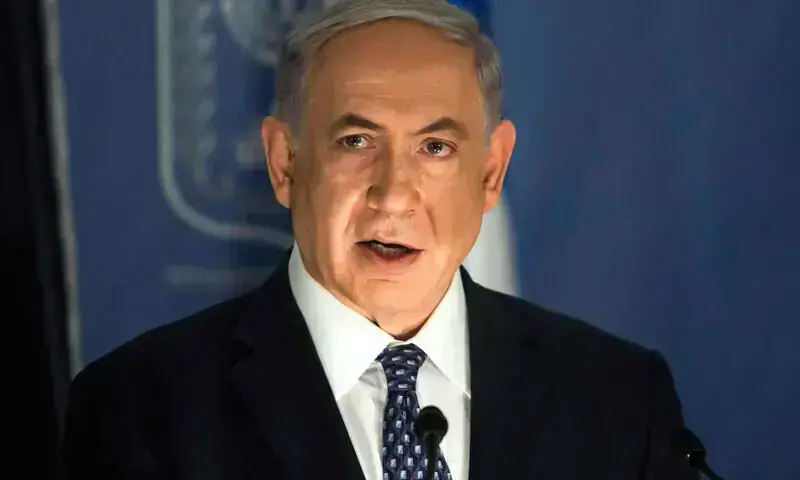
WASHINGTON: A developing agreement between the United States and Iran has left Israeli Prime Minister Benjamin Netanyahu facing one of the toughest political moments of his career.
Netanyahu has for years built his political standing around three linked claims: that he could influence US decision-making, that he would take a hard line against Iran, and that he was Israel’s foremost protector on security issues. The emerging US-Iran understanding has put all three under scrutiny.
The agreement does not settle several matters Israel has long treated as central, including Iran’s ballistic missile programme, its backing for regional allies such as Hezbollah, and parts of its nuclear activity. Any sanctions relief for Tehran could also give Iran greater economic space.
International assessments
The agreement "omits some of the most important things Israel wanted" and also observed that "Israel now finds itself counting the ways that Netanyahu’s grand strategy against Iran has failed".
The BBC described the agreement as a political nightmare for Netanyahu, while CNN called it the moment he had long feared. The Guardian said the situation amounted to a nightmare reversal for the Israeli leader in Washington.
Aaron David Miller of the Carnegie Endowment for International Peace said:
No American president has ever talked to an Israeli prime minister the way Donald Trump has talked about Netanyahu.
Miller has also called the agreement a strategic defeat for Israel and argued that it showed Netanyahu’s reduced ability to shape US policy.
Strained ties with Washington
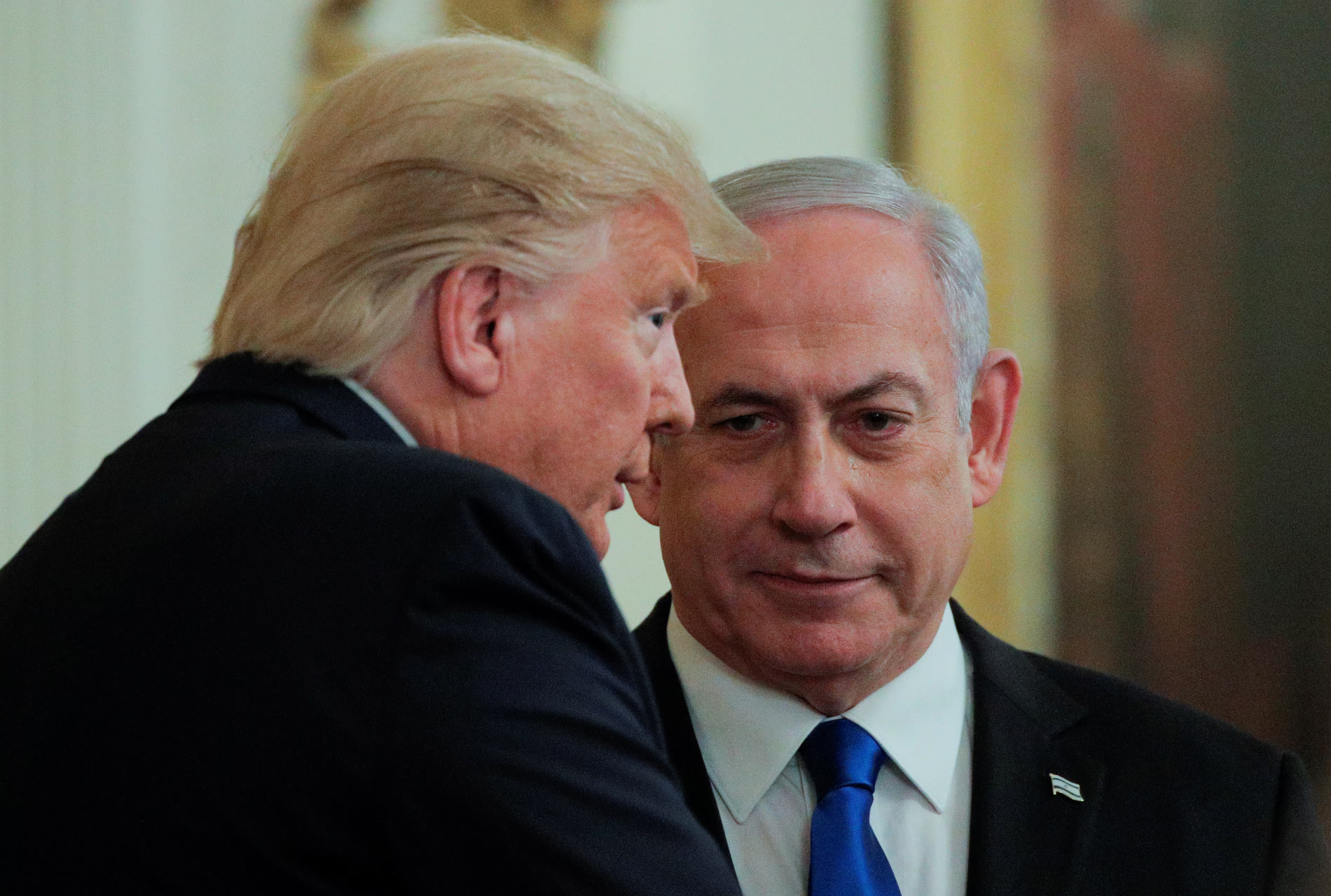
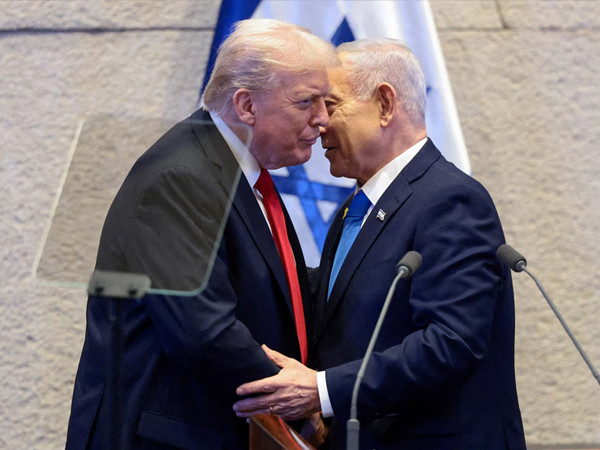
Netanyahu’s relationship with US President Donald Trump has become increasingly strained. Although Netanyahu has long portrayed himself as uniquely placed to influence Washington, Israel was largely left on the sidelines as the negotiations moved forward, while Trump publicly criticised him and continued with diplomacy.
The Atlantic Council similarly assessed that the agreement highlights a growing divergence between US and Israeli priorities. Its analysis said Washington’s move toward an interim diplomatic arrangement leaves Netanyahu caught between pressure from the United States to reduce military operations and demands from members of his own governing coalition to keep a hard line against Iran and its allies.
Domestic political risks
The Centre for Strategic and International Studies said the truce has put Netanyahu in a politically fragile position ahead of Israel’s next election. Opponents are presenting the agreement as one that falls short of Israel’s security goals and are questioning whether the war met its declared objectives.
Netanyahu is hemmed in by conflicting pressures. It wrote:
Effectively, Netanyahu appeared to have fallen into a trap.
If he avoided responding to Hezbollah attacks, he could face accusations of weakness at home, while any retaliation could make him appear to be trying to obstruct a US-Iran agreement that Trump wanted to secure.
The ultimate judgment may depend on the final terms of the agreement and the direction of future negotiations. For now, a broad range of international media organisations and policy institutions are converging on the view that Netanyahu has emerged politically weakened and strategically constrained.
0 Comments
No comments yet. Be the first to join the discussion!