June 17, 2026
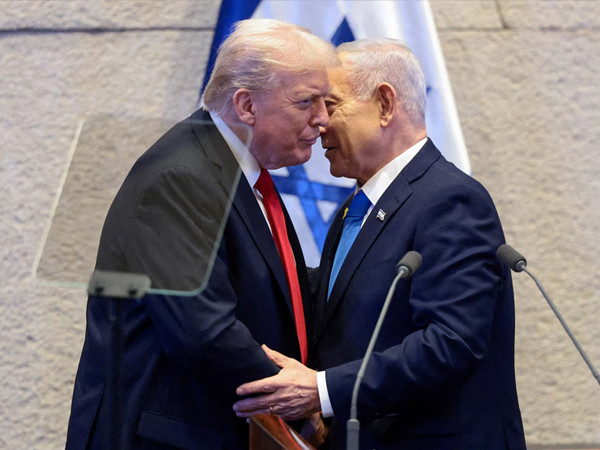
Israeli commentators say Trump sidelined Netanyahu in US-Iran agreement
Israeli commentators have sharply criticised Benjamin Netanyahu after the US-Iran agreement, saying Donald Trump sidelined him and left Israel outside a key diplomatic process.

June 17, 2026
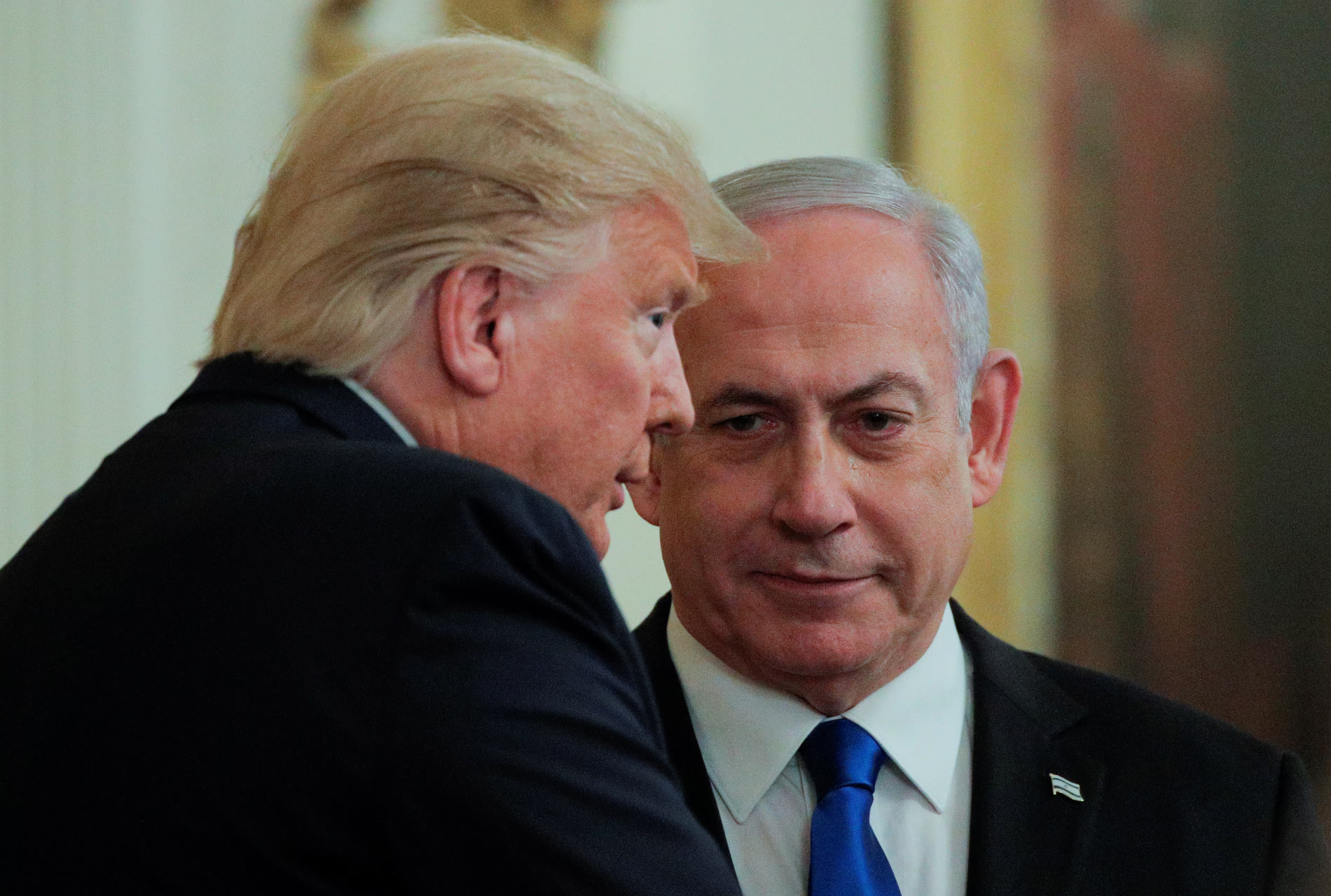
TEL AVIV: Israeli commentators have launched sharp criticism of Prime Minister Benjamin Netanyahu after the United States announced an agreement with Iran to end their military confrontation, with several analysts portraying the deal as a sign that Netanyahu had been sidelined by President Donald Trump.
Netanyahu said on Monday evening that he did not know the contents of the memorandum of understanding reached between Washington and Tehran. He also said he had saved Israelis from nuclear annihilation by starting the war against Iran and acknowledged differences with Trump, saying such disagreements exist in the best of families.
Trump said on Monday that the US and Iran had already signed the agreement and that the Strait of Hormuz would be fully reopened by Friday. Tehran, however, has said only that the memorandum is due to be signed in Switzerland on June 19. Observers said the earlier electronic signing appeared to have enabled an immediate temporary ceasefire and the removal of a US naval blockade on Iran, while a ceremony on Friday is expected to formalise the agreement and begin 60 days of technical talks.
Haaretz and Maariv criticism
In Haaretz, columnist Yossi Verter wrote that Netanyahu was trying to present a major strategic setback as an achievement. Verter argued that Netanyahu had repeated for decades that Iran would not acquire a nuclear weapon while also now claiming Israel had been on the brink of mass death.
Verter wrote:
"Prime Minister Benjamin Netanyahu stands at the height of what any objective expert would define as a colossal strategic failure for the State of Israel and all he has to tell its citizens is: ‘Iran will never have a nuclear weapon, not as long as I am prime minister’"
The columnist said Netanyahu had no knowledge of the memorandum that the US and Iran signed electronically, adding that others appeared better informed than the Israeli premier. He also said Netanyahu had tried to downplay tensions with Trump despite what he described as repeated public slights from the US president. Verter further accused Netanyahu of making misleading or false claims at his press conference, including statements about Iranian losses and Israeli military achievements.
Maariv columnist Ben Caspit also argued that Netanyahu had been left out of a consequential diplomatic process. He said Netanyahu admitted he knew nothing about the agreement signed without his knowledge and compared the situation to 2015.
Caspit wrote “Netanyahu always ends up in the same position. He is pushed aside, thrown under the bus, and left standing in the hallway like a scolded child waiting for a verdict that was delivered in his absence”.
He also questioned Netanyahu’s emphasis on damage to Iran’s economy, arguing that sanctions relief, access to frozen funds and possible revenue from transit through the Strait of Hormuz could quickly offset such losses.
Walla analysis and wider context
In a separate analysis, commentator Barak Seri said Netanyahu’s sense of victory had quickly turned into what he called his greatest humiliation. Seri wrote that Netanyahu had largely avoided addressing Israeli media since March despite wars involving Iran and Hezbollah and missile attacks that caused deaths and extensive damage in Israel, while continuing to speak mainly to foreign outlets, especially in the United States.
Seri said Netanyahu chose to speak because of what he described as the poor outcome of the Iran agreement and the growing unease inside Israel, including among Netanyahu’s own supporters. He added that senior Israeli officials regarded the agreement as bad and dangerous for Israel and as a disaster reached without Israeli interests being considered.
Tel Aviv and Washington accuse Tehran of seeking nuclear weapons, while Iran says its nuclear programme is solely peaceful, that it does not want nuclear arms and that it poses no threat to other countries. Israel is widely believed to be the only Middle Eastern state with a nuclear arsenal, though it has never officially confirmed that and is not under International Atomic Energy Agency safeguards.
Netanyahu has been wanted by the International Criminal Court since 2024 over accusations of war crimes and crimes against humanity linked to Israel’s military campaign in Gaza, where more than 73,000 people have been killed and over 173,000 injured since October 2023.
0 Comments
No comments yet. Be the first to join the discussion!