June 17, 2026
UN blacklisting of BLA seen as important for wider counterterrorism coordination
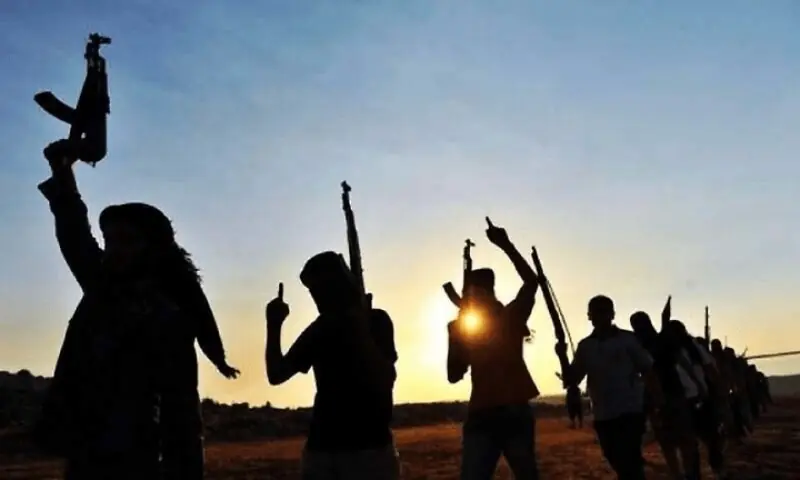
An analysis in The Diplomat says UN sanctions on the BLA would strengthen regional security and counterterrorism coordination. It says the recent blocking of a Pakistan-China proposal has renewed debate over consistency in global counterterrorism policy.

June 17, 2026
ISLAMABAD: An analysis carried by The Diplomat has argued that international backing for Pakistan’s push to place the Balochistan Liberation Army and its Majeed Brigade under United Nations sanctions would strengthen broader counterterrorism cooperation and regional security efforts.
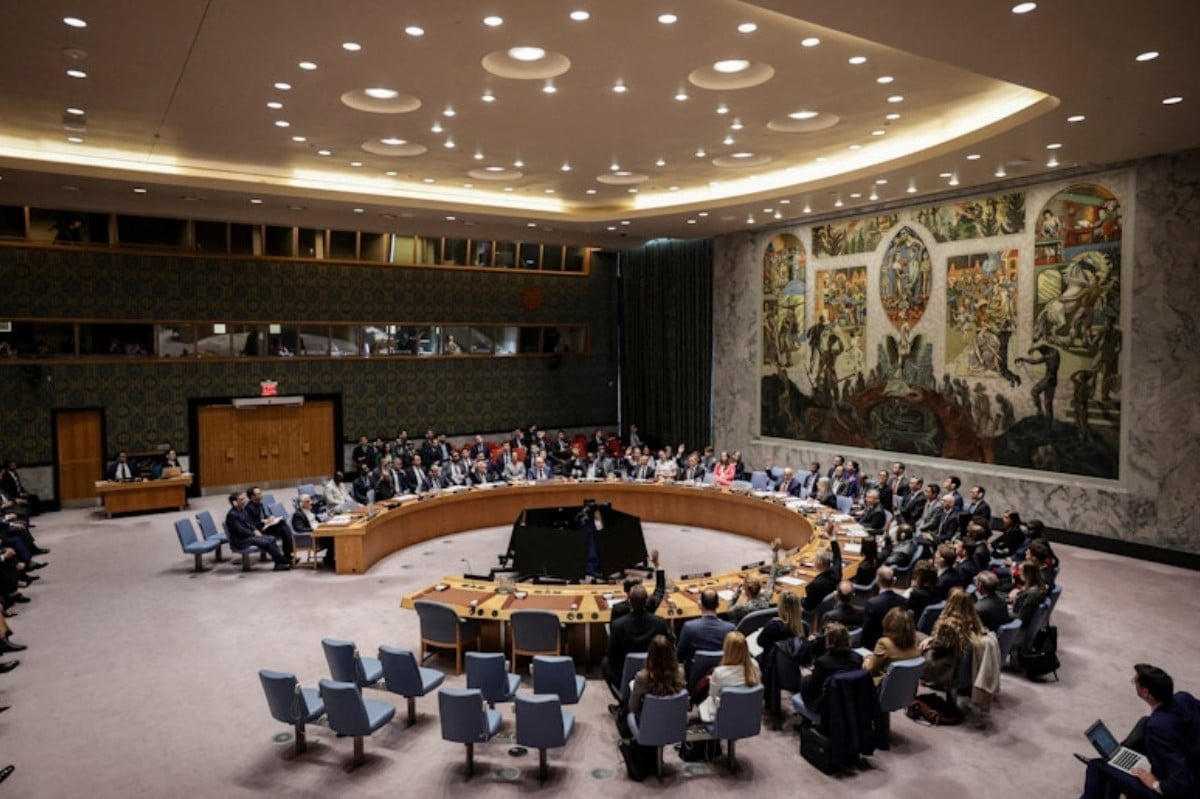
The issue has come into sharper focus after the United States, the United Kingdom and France blocked a joint Pakistan-China proposal at the UN Security Council to list the BLA and its Majeed Brigade under the UN sanctions framework. The analysis said the move revived debate over the need for consistent global counterterrorism standards, particularly because Washington has already designated the BLA under its own Foreign Terrorist Organisation and Specially Designated Global Terrorist mechanisms.
Pakistan’s Permanent Representative to the UN Asim Iftikhar linked the BLA to militant networks operating from Afghan territory while presenting the case for UN action. He said the listing was justified under the UN’s counterterrorism structure because of the presence of multiple armed groups in Afghan sanctuaries.
The analysis said the US, France and the UK cited technical grounds, maintaining that the 1267 Sanctions Committee is specifically mandated to deal with al-Qaida, Islamic State and affiliated entities, and that locally focused militant groups do not automatically fall within its scope regardless of the scale of violence or the threat they may pose to regional stability.
Pakistan and China’s rationale
Pakistan and China have pursued the designation in line with pressing security concerns. China’s investments in infrastructure and mineral projects in Balochistan have made militant attacks by the BLA a direct concern for Beijing’s Belt and Road plans. For Pakistan, the analysis said, a UN listing would help isolate the group politically and financially at the international level, especially amid claims that Baloch militants receive outside support.
A successful listing would have created a multilateral mechanism for restricting safe havens and disrupting transnational support networks linked to the BLA and the Majeed Brigade.
US sanctions already in place
The analysis said the blocking of the proposal does not mean the United States does not regard the BLA as a terrorist outfit. Washington had already imposed unilateral sanctions on the group. In July 2019, the US State Department designated the BLA as a Specially Designated Global Terrorist entity, and in August 2025 it added the Majeed Brigade as an alias under the BLA’s earlier designation.
The State Department, in a statement last year cited by the analysis, described the action as part of the Trump administration’s anti-terrorism policy.
"Today’s action taken by the Department of State demonstrates the Trump Administration’s commitment to countering terrorism,"“Terrorist designations play a critical role in our fight against this scourge and are an effective way to curtail support for terrorist activities.”
The analysis said such measures restrict the BLA and affiliated entities from access to the US financial system and impose other sanctions. Officials in Islamabad believe broader international action, including a UN listing, remains necessary to curb the group’s reach globally.
Why a UN listing matters
According to the analysis, support for a UN designation would bring US multilateral diplomacy more closely into line with its own domestic policy by removing the gap between unilateral sanctions and its position at the UN. Pakistan remains an important counterterrorism partner for the United States in South Asia, and that blocking action against what Islamabad considers a major internal security threat could affect bilateral cooperation, including intelligence sharing on threats such as Islamic State-Khorasan Province and remnants of al-Qaida in Afghanistan and elsewhere.
Inclusion on the UN 1267 list would require all member states to freeze the group’s assets and financial channels, potentially limiting funding from diaspora or sympathetic networks. The designation could also trigger travel bans on listed individuals and bar the supply of arms, technical assistance and military support to the outfit. Neighbouring states, including Afghanistan, could face greater pressure to dismantle any operational sanctuaries if a UN-mandated regime were in place.
The analysis noted that the BLA has so far concentrated attacks on CPEC-related infrastructure, Chinese nationals and Pakistani targets. The group’s operational reach suggests risks could widen over time. US interest in Balochistan’s mineral resources raises the possibility that future American investments and personnel could also face risk, arguing that reliance only on regional or unilateral measures may leave enforcement gaps that a UN listing could address.
0 Comments
No comments yet. Be the first to join the discussion!