June 17, 2026
Electric two-wheelers offer mobility to some women but remain out of reach for many
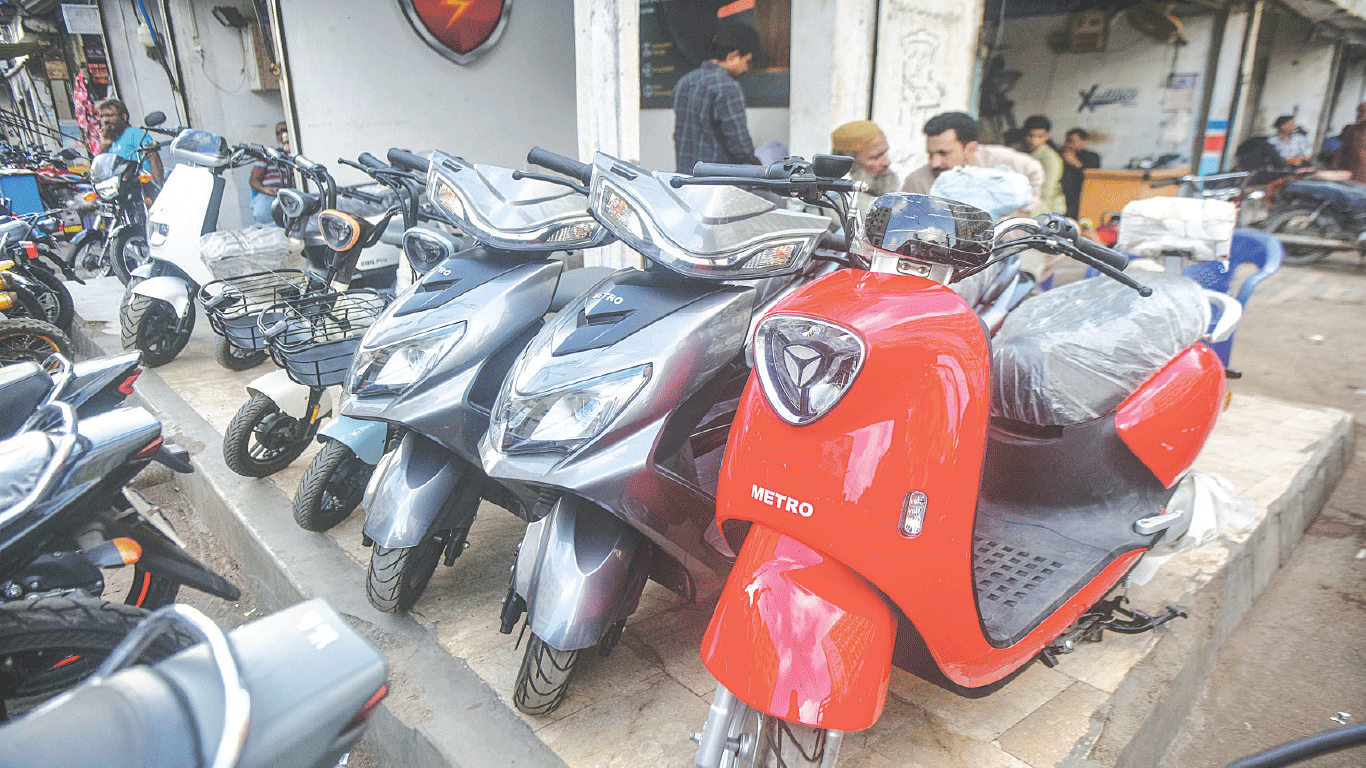
Electric scooters and bikes are drawing interest in Pakistan as petrol prices rise, with some women finding them safer and more independent. But high upfront costs, weak financing and limited charging infrastructure continue to restrict access for many households.

June 17, 2026
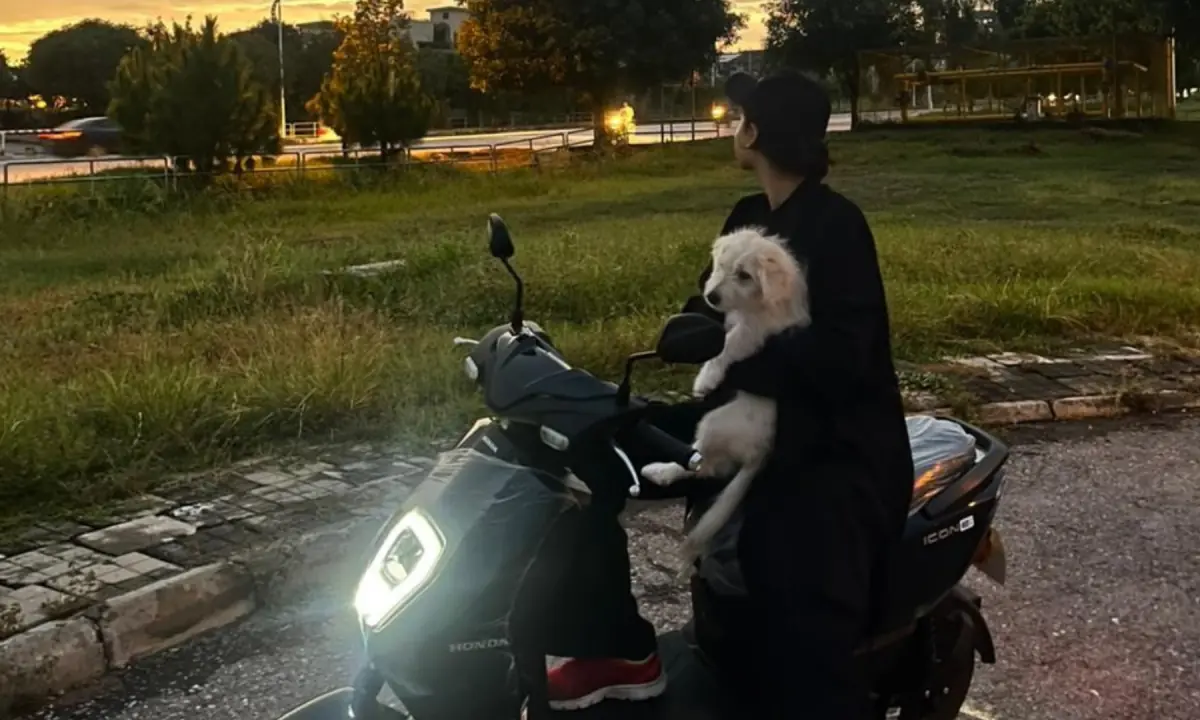
ISLAMABAD: Electric scooters and bikes are beginning to attract riders in Pakistan as high petrol costs push households to reconsider transport choices, but their benefits remain unevenly distributed, with affordability, financing, charging infrastructure and social barriers continuing to limit wider access.
A report by Dawn highlighted how some women have found electric two-wheelers to be a practical and empowering alternative. Esha, a 22-year-old student at the College of Electrical & Mechanical Engineering, said her scooty cost Rs420,000 and has not required any further spending on transport since purchase. She said the vehicle can cover more than 60 kilometres on a charge and is plugged in each night at a cost far below petrol. Speaking about the reaction she receives, she said young women are drawn to it because it appears manageable in public space where women’s mobility is still contested.
She also described what she sees as the main reasons families hesitate to buy such vehicles for daughters, pointing to the upfront cost, social attitudes, and resistance to women becoming more independent. She said her family backed the decision because they felt she was safe.
Sana, 24, a NUST student from DHA Rawalpindi, told Dawn she reached a similar decision for different reasons. She said petrol bikes felt intimidating because of their weight, kick-starting and the possibility of being stranded alone, while an electric scooty seemed easier to operate independently. Dr Azir of the Institute of Energy, Climate and Equity at the University of Lahore said some women engineers who wear abayas had suggested scooters are easier to use with modest clothing and are more socially acceptable.
Policy targets and limited reach
The federal government’s PAVE initiative has set a target of 116,000 electric bikes and more than 3,000 rickshaws in the current fiscal year, alongside a goal of 30pc EV sales by 2030 and a Rs2.5 per litre levy on petrol to finance subsidies. Minister of State Dr Shezra Mansab Ali Khan Kharal said the government is encouraging provinces to introduce women-focused mobility programmes, including subsidised scooters and concessional loans.
Implementation has lagged behind the headline targets. As of the last reported period, only 5,409 units had been distributed, around 4.5pc of the annual target. Commercial banks were reported to have approved only about 9pc of EV loan applications. Structural changes are being pursued, including a model under which buyers pay the subsidised price directly and a Rs10,000 upfront scheme for lower-band government employees, though these arrangements still depend on formal employment and institutional access.
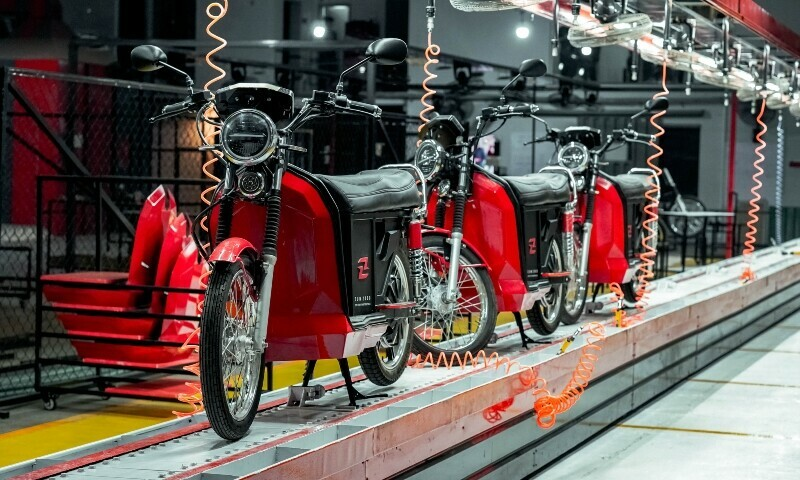
The latest federal budget extended existing incentives on completely knocked-down kits for electric bikes, three-wheelers and other EVs until June 30, 2027, allowing local assemblers to continue importing components at concessional duty rates. No new taxes were imposed on electric bikes. These measures may help preserve price stability in the sector, but do not directly lower the upfront cost for lower-income consumers.
Federal Energy Minister Awais Ahmed Leghari said Pakistan has nearly 30 million petrol motorcycles that consume about 40pc of national petrol supplies and account for roughly $6 billion in annual fuel imports.
Class and infrastructure barriers
The shift is much harder for lower-income workers. Nazia, a 30-year-old house helper from Rawalpindi, uses her brother’s petrol bike for a daily commute from 8am to 6pm and spends around Rs700 on fuel. She said she has considered electric bikes after seeing one bought by the daughter of a household where she works, but feels both the showrooms and the technology are beyond her reach. She expressed concern about battery life, higher electricity bills in a home without solar panels, and the difficulty of understanding English-language instructions on the vehicles.
Nazia is not opposed to electric bikes, but does not trust a system she cannot afford, interpret or easily repair in a city without charging stations, especially given the risk of being stranded during work hours.
In Karachi, journalist Anum Razzaque voiced similar doubts, saying poor roads, long distances, limited charging facilities and expensive batteries make petrol bikes more dependable. She also raised concerns about rain, vehicle shutdowns and the lack of mechanics able to restore an electric bike if it stops working.
Usama, 28, an Islamabad-based Yadea dealer, said the biggest challenge in Pakistan at present is charging infrastructure, adding that electric bikes are better suited to smoother urban roads.
Questions over a fair transition
The expansion of electric mobility is raising wider equity concerns. Charging infrastructure is concentrated in major cities, leaving rural women at a disadvantage; low-income consumers are facing financing barriers; informal workers are excluded by credit systems designed for salaried employees; and women without digital banking can be shut out of app-based mobility services.
Dr Azir warned that without deliberate policy intervention, the transition could split into separate tracks, with better-off users moving ahead while others are left behind. Pakistan has seen a similar pattern before, with high-end electric vehicles entering first and broader access arriving later, while fair distribution of benefits remains uncertain.
0 Comments
No comments yet. Be the first to join the discussion!