June 16, 2026
E-bike industry grapples with major logistics issues
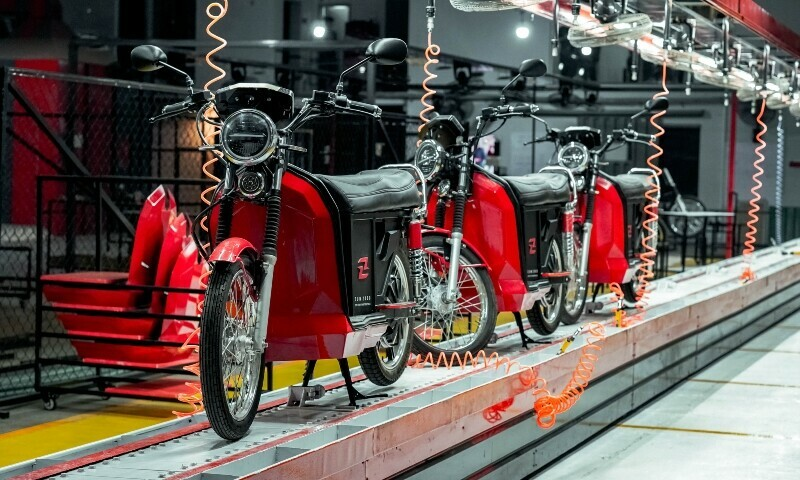
Electric bikes are becoming more common in Lahore as fuel costs rise, but high upfront prices, expensive batteries and limited charging facilities are slowing wider adoption. Experts say infrastructure and local manufacturing will be key.

June 16, 2026
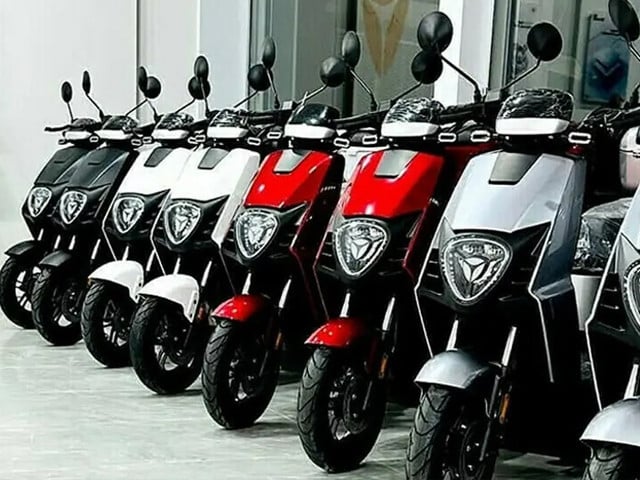
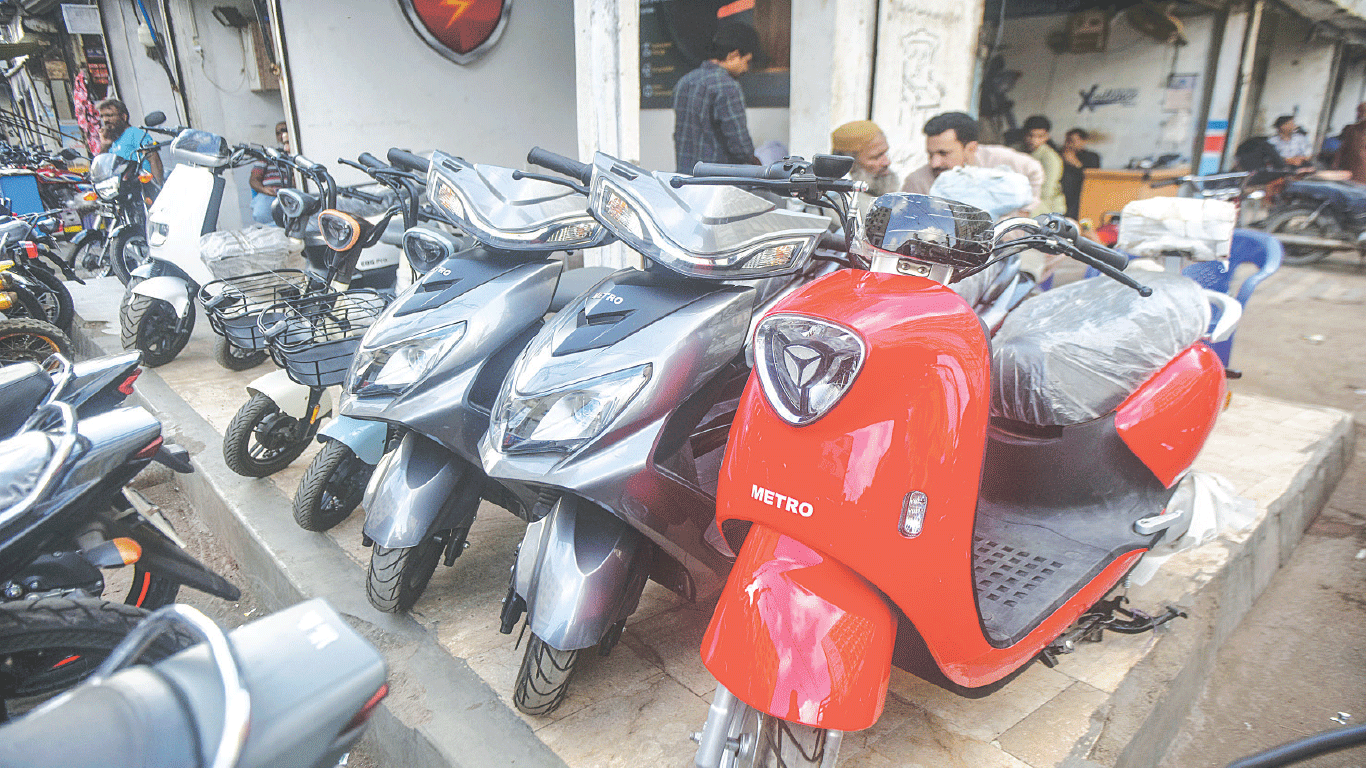
LAHORE: Electric bikes and scooters are appearing more frequently on Lahore’s roads as office workers, students and food delivery riders turn to them as a cheaper alternative to petrol-powered transport. But while higher fuel prices are helping drive interest, their broader uptake is still being slowed by costly batteries, limited charging options, electricity outages and steep initial purchase prices.
Residents who have switched to electric two-wheelers say the savings in day-to-day use are substantial. Fakhra Batool, a Lahore resident, said she bought an electric scooter a few months ago to avoid increasing petrol and rickshaw costs. She said she had previously been spending thousands of rupees each month on transport, while her electricity bill for charging is far lower now. At the same time, she said replacing the battery would be difficult because of its price.
Ahmed Hassan, a resident of Gulberg, said he bought an electric bike under a government subsidy programme and saw his monthly fuel costs fall from around Rs12,000 to about Rs2,500 for electricity and charging. He said power outages create uncertainty for longer travel because charging can become difficult.
"However, load-shedding can make charging difficult, raising concerns about battery range during longer trips"
Higher purchase price, lower running cost
A standard petrol motorcycle in Pakistan generally costs between Rs150,000 and Rs160,000, while a good-quality electric bike usually costs Rs250,000 or more. Although subsidies can reduce the price, electric bikes still require a bigger upfront payment.
Even so, users say running costs are much lower than for petrol bikes. People who use them regularly report spending only a small share of what they would otherwise pay for fuel, which is adding to their appeal.
Experts point to infrastructure gaps
Sarim Zia, a research assistant at the Sustainable Development Policy Institute, said Pakistan’s large number of motorcycles means two- and three-wheelers will be central to the country’s shift toward electric mobility. He said rising petrol prices are pushing people to look at alternatives, while awareness campaigns could help expand demand further.
Dr Fahim Gohar Awan, chairman of the Department of Electrical Engineering at the University of Engineering and Technology Lahore, said the transition cannot depend on bike sales alone. He said long-term expansion would require local battery production, charging infrastructure, trained technical workers and a dependable electricity supply.
Dr Kiran Siraj of Lahore University of Management Sciences said subsidies by themselves would not be enough. She said middle-income buyers also need access to affordable financing, including loans and leasing, while the lack of charging stations and battery-swapping facilities continues to undermine consumer confidence.
Dealers and mechanics report rising interest
Iftikhar Hussain, a mechanic in Township who services electric bikes, said the number of customers seeking repairs and maintenance has increased several times over the past two years. He added that shortages of spare parts and complaints about battery warranties remain common.
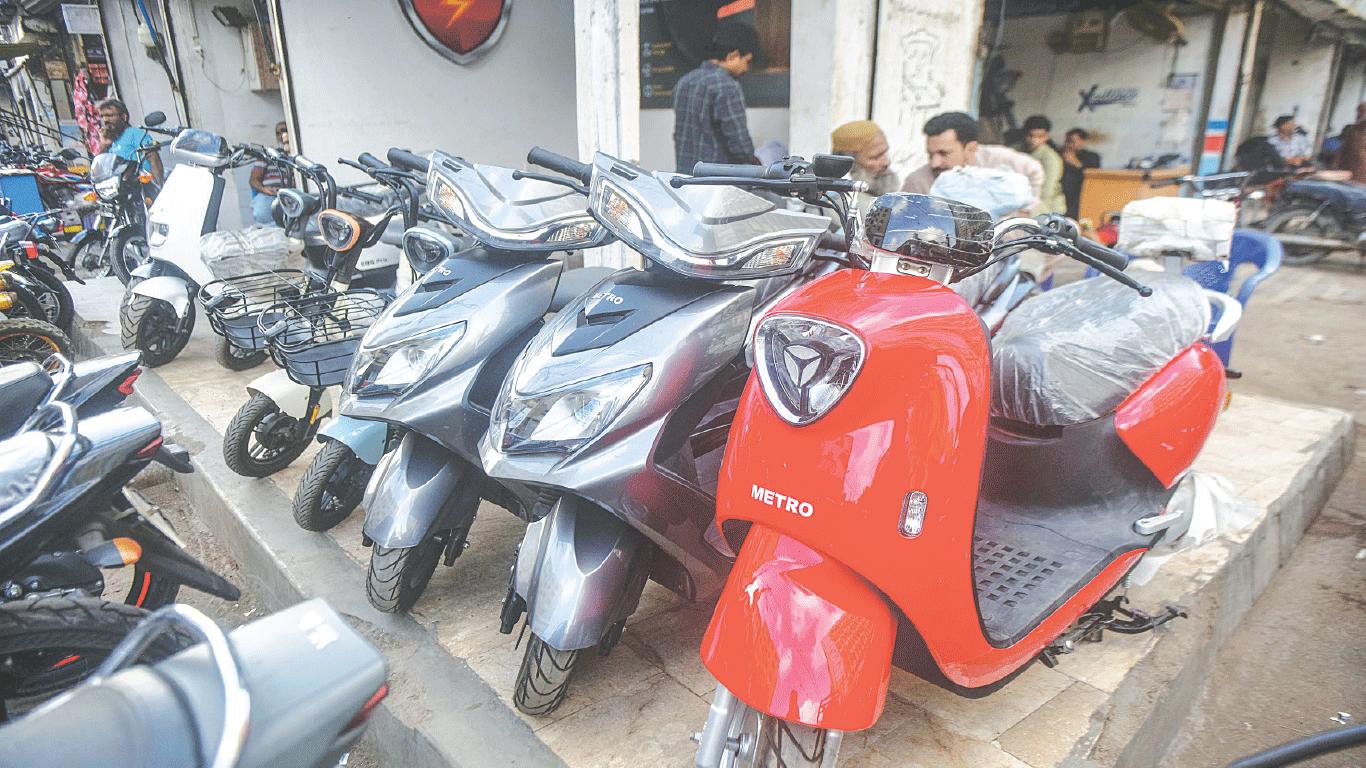
Ziauddin, an electric bike dealer in Lahore, said demand has risen markedly among young people, women and food delivery riders. He said that even with subsidies, many potential buyers still find the prices too high, and most ask first about battery life and replacement expenses.
Hidayatur Rehman, director of sales and marketing at EVEON, said most lithium batteries and other major components being used in Pakistan are imported. He said domestic production of lithium batteries could lower electric bike prices by 50 to 60 per cent.
Electric bikes are steadily gaining popularity in Pakistan because they cost much less to operate. However, high battery prices, load-shedding, inadequate charging facilities and expensive purchase costs remain major barriers to wider adoption.
0 Comments
No comments yet. Be the first to join the discussion!