June 16, 2026
US intelligence raises doubts over Iran deal ahead of next talks
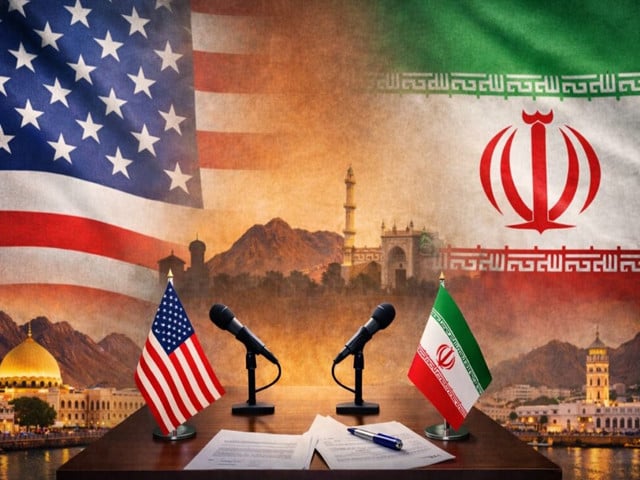
US intelligence has raised concerns within President Donald Trump's team about Iran's willingness to make nuclear concessions, according to Axios. The next phase of talks is expected on Friday with US, Iranian, Pakistani and Qatari participation.

June 16, 2026
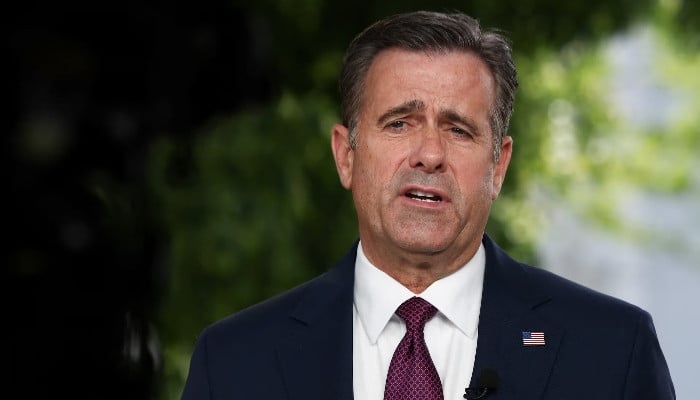
WASHINGTON: US intelligence assessments have raised concerns within President Donald Trump's team about whether Iran is prepared to make nuclear concessions in a final agreement, as preparations continue for the next round of talks between Washington and Tehran.
CIA Director John Ratcliffe briefed Trump and senior officials that intelligence collected by US agencies had cast doubt on Tehran's intentions. Trump and his advisers held several senior-level meetings before Sunday's announcement to review material gathered by multiple agencies.
Internal Iranian discussions about the proposed arrangement appeared to differ from what Iranian officials were conveying to mediators and to Washington. The intelligence pointed to a gap between Tehran's intentions and its commitments under the deal.
A White House official said Trump considers different views before making final decisions himself. The official said the memorandum of understanding met the administration's red lines by aiming to ensure Iran cannot obtain a nuclear weapon, retain highly enriched uranium or threaten global energy supplies.
Talks and terms under discussion
The nuclear provisions of the memorandum depend on the two sides reaching a more detailed nuclear agreement within the next 60 days. Vice President JD Vance, Steve Witkoff and Jared Kushner are expected to meet Iranian Parliament Speaker Mohammad-Bagher Ghalibaf and Foreign Minister Abbas Araghchi on Friday, alongside Pakistani and Qatari mediators, to discuss the next phase.
The full text of the 14-point initial arrangement has not been made public. Under the framework described, the agreement is intended to prolong the ceasefire and open a 60-day negotiating period, which could be extended if both sides agree. During that period, Iran would restate its earlier commitment not to acquire or procure a nuclear weapon.
A source familiar with the text said the two sides would try to settle the status of Iran's stockpile of enriched material and discuss future enrichment and other issues related to the country's nuclear requirements, based on a framework to be set in a final accord. Iran would keep its nuclear programme unchanged while negotiations continue, while the United States would refrain from imposing fresh sanctions or sending additional forces to the region.
If a final nuclear agreement is reached, the United States would withdraw forces mobilised for the war within 30 days and end sanctions on Iran according to an agreed timetable.
Disagreements inside Washington
Some officials inside the administration remain doubtful that Iran will accept a nuclear agreement on US terms and believe Tehran could gain more than Washington from the memorandum during the interim period. Senior US officials, however, told reporters on Monday that any Iranian benefits would depend on meaningful action by Tehran. One official said Washington would know within two to three weeks whether Iran was serious about making nuclear concessions.
Senator Lindsey Graham said he was worried that Iran appeared to have a different understanding of the agreement from that presented by the US negotiating team, and called for the immediate publication of the document. "The intelligence reflects that the Iranian intentions are not in line with their commitments under the deal," he added.
The memorandum calls for the Strait of Hormuz to reopen in the near term, with Iran using its best efforts to allow safe passage for commercial shipping without charge for 60 days, while the United States would gradually remove its blockade within 30 days.
One of the most disputed issues remains the release of Iran's frozen funds, with US officials describing the process as a pay for performance model. Any final agreement would also include a plan for a $300 billion fund for Iran's reconstruction and economic development, along with a mechanism for how that plan would be carried out.
0 Comments
No comments yet. Be the first to join the discussion!