June 15, 2026
PTI rejects CoD-style charter of economy
PTI has rejected a Charter of Economy on the model of the 2006 Charter of Democracy, questioning the earlier accord’s record. Party leaders also criticised the federal budget, taxation measures and the government’s economic claims.

June 15, 2026
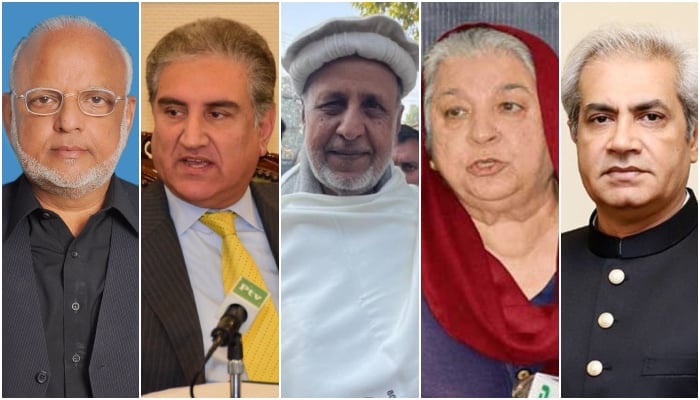
ISLAMABAD: Pakistan Tehreek-i-Insaf on Sunday ruled out support for a Charter of Economy on the lines of the Charter of Democracy signed by the Pakistan Peoples Party and Pakistan Muslim League-Nawaz, after Prime Minister Shehbaz Sharif invited the opposition to engage in dialogue and work with all political parties on such an accord.
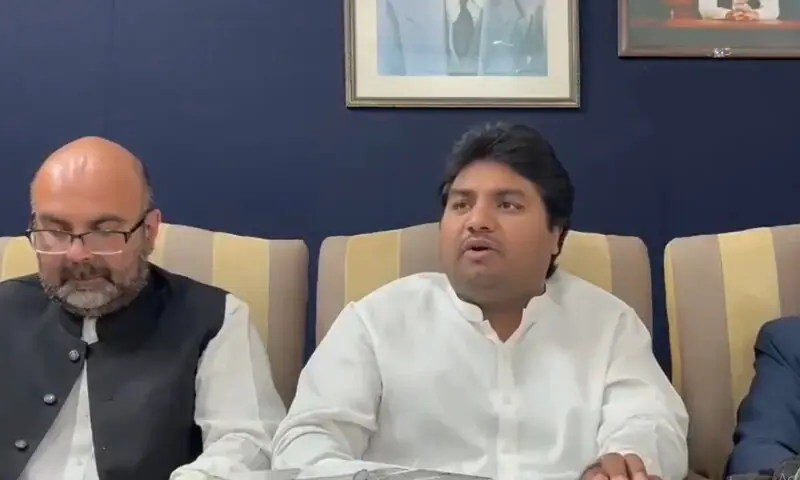
PTI leaders Sardar Latif Khosa, Taimur Khan Jhagra, Mobeen Arif Jutt and Rana Atif announced the party’s position at a press conference in Islamabad. Khosa questioned the value of the 2006 Charter of Democracy between Benazir Bhutto and Nawaz Sharif, saying none of its commitments had been fulfilled.
He alleged that governments that followed acted against the spirit of that agreement by weakening democratic norms and constitutional supremacy, undermining judicial independence, influencing electoral processes, curbing political and media freedoms, narrowing political space and damaging the broader democratic order.
Khosa also claimed that the PML-N formed the government despite winning only 17 seats, while PTI was denied power even though it had won more than 180 seats in the general elections. He said PTI workers and leaders had faced political victimisation, with hundreds of cases filed against Imran Khan, his wife and party associates, including Dr Yasmin Rashid, whom he described as a cancer survivor.
Budget criticism
Khosa said the budget would add to public hardship and hurt the national economy. He questioned how the government planned to meet its revenue targets after missing earlier benchmarks, and warned that more taxation would place additional pressure on existing taxpayers and could drive millions of lower- and middle-income families below the poverty line.
Jhagra criticised the increase in the petroleum levy to as much as Rs100 per litre, saying the decision would raise costs across society. Referring to what he called the main unresolved issue, he said the ever-growing expense of running the state remained central, and argued that any serious effort to put the country on a path to prosperity would require reductions in what he described as extravagant spending.
Rejecting the government’s assertions of economic recovery, Jhagra said exports had fallen by six per cent and investment by 26.5pc, while targets in most major sectors had not been achieved.
Jutt said the government had not presented a clear plan to widen the tax base or add new taxpayers to the system. He said the ruling coalition was presenting its fifth budget, but had failed to provide meaningful relief to the public over the last five years.
Atif also challenged the government’s claims of economic stabilisation, saying the coalition had imposed unprecedented taxes over the past five years without carrying out meaningful structural reforms.
Asad Qaiser’s remarks
Separately, former National Assembly speaker Asad Qaiser said the government had handed the economy over to the International Monetary Fund, and that farmers, industrialists and other sections of society were facing distress as a result. He also said PTI had not been given a level playing field in the Gilgit-Baltistan elections.
0 Comments
No comments yet. Be the first to join the discussion!