June 12, 2026
British defence minister quits, saying Starmer is not committing enough on military spending
British Defence Secretary John Healey has resigned, saying Prime Minister Keir Starmer and the Treasury were not committing enough funding to national defence. The move comes days before a by-election that could intensify pressure on the Labour leader.

June 12, 2026
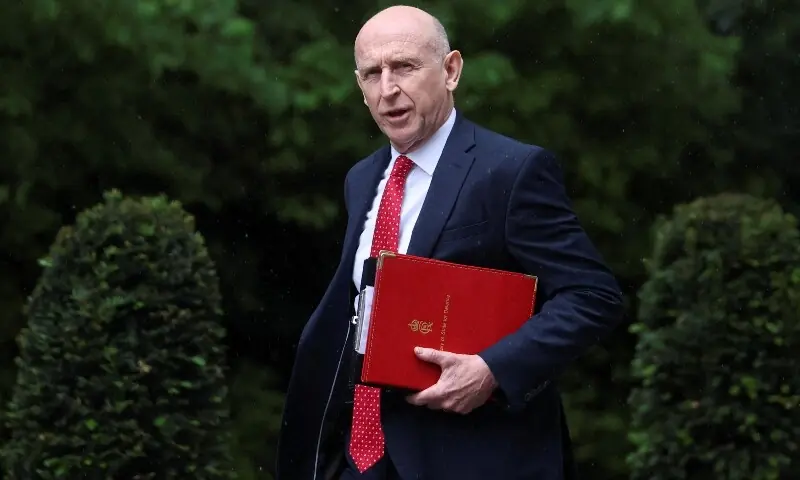
LONDON: Britain’s Defence Secretary John Healey resigned on Thursday, accusing Prime Minister Keir Starmer and the Treasury of failing to provide the level of funding he said was needed to defend the country.
His resignation adds to pressure on Starmer at a politically difficult moment, with a by-election due next week that could trigger a challenge to the Labour leader. In his resignation letter, posted on X, Healey said Starmer’s delayed Defence Investment Plan, which is meant to set out funding for the coming decade, risked leaving Britain less secure.
"You have been unable, and the Treasury has been unwilling, to commit the resources that the nation needs to defend the country at this time of rising threats," Healey wrote in the letter.
He added that after telling Starmer he could not accept a Defence Investment Plan settlement that did not give the armed forces the resources they required, he had no option but to step down.
Dispute over defence plan
Healey’s departure follows months of delays to the defence plan. Starmer has said it will be published before a Nato summit in Turkiye beginning on July 7. The Labour government, elected in July 2024 after 14 years of Conservative rule, has said it will increase defence spending, with Nato obligations given priority.
The planned rise in military spending comes amid threats from Russia and repeated calls by US President Donald Trump for Nato allies to spend more and rely less on Washington for their security.
Starmer has pledged to raise defence spending to 2.5 per cent of gross domestic product from next year, then to three per cent if Labour wins the next general election, expected in 2029, before reaching 3.5pc in 2035.
According to Healey’s resignation letter, he was given full sight of the Defence Investment Plan only on Monday, and it projected defence spending of 2.68pc of GDP in 2030. A source close to the former defence secretary said the Treasury’s offer did not include a date for reaching the three per cent target.
Healey wrote that the plan fell short of what was needed for both defence and the country at what he called a dangerous time. He said that without a plan that matched the moment, he would be forced to take decisions that would lower military readiness, raise risks to personnel on operations and could leave the country less safe.
Political reaction
Tan Dhesi, who chairs parliament’s defence committee, said the government should treat Healey’s warning with seriousness. In a statement, the Labour lawmaker said the resignation marked a grave moment.
"That a defence secretary of his integrity and commitment has felt compelled to resign in response to the inadequacy of the proposed defence settlement is a grave moment,"
Starmer now faces a key political test in next Thursday’s contest for the Makerfield parliamentary seat, where Greater Manchester Mayor Andy Burnham is standing. Both Burnham and Starmer have said they would take part in any Labour leadership race, though no such contest has yet begun.
0 Comments
No comments yet. Be the first to join the discussion!