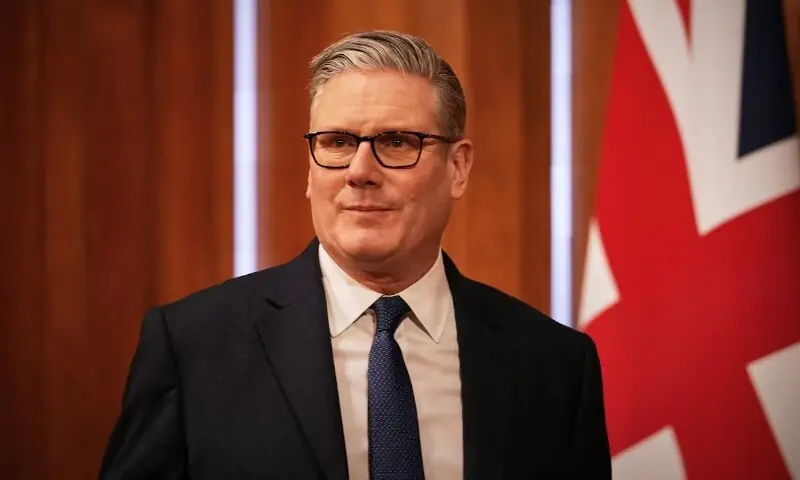
Starmer rejects calls to quit as Jess Phillips resigns over his leadership
British Prime Minister Keir Starmer said he would continue governing despite growing calls to quit after Labour’s local election losses. Safeguarding minister Jess Phillips resigned in protest, adding to pressure on his leadership.

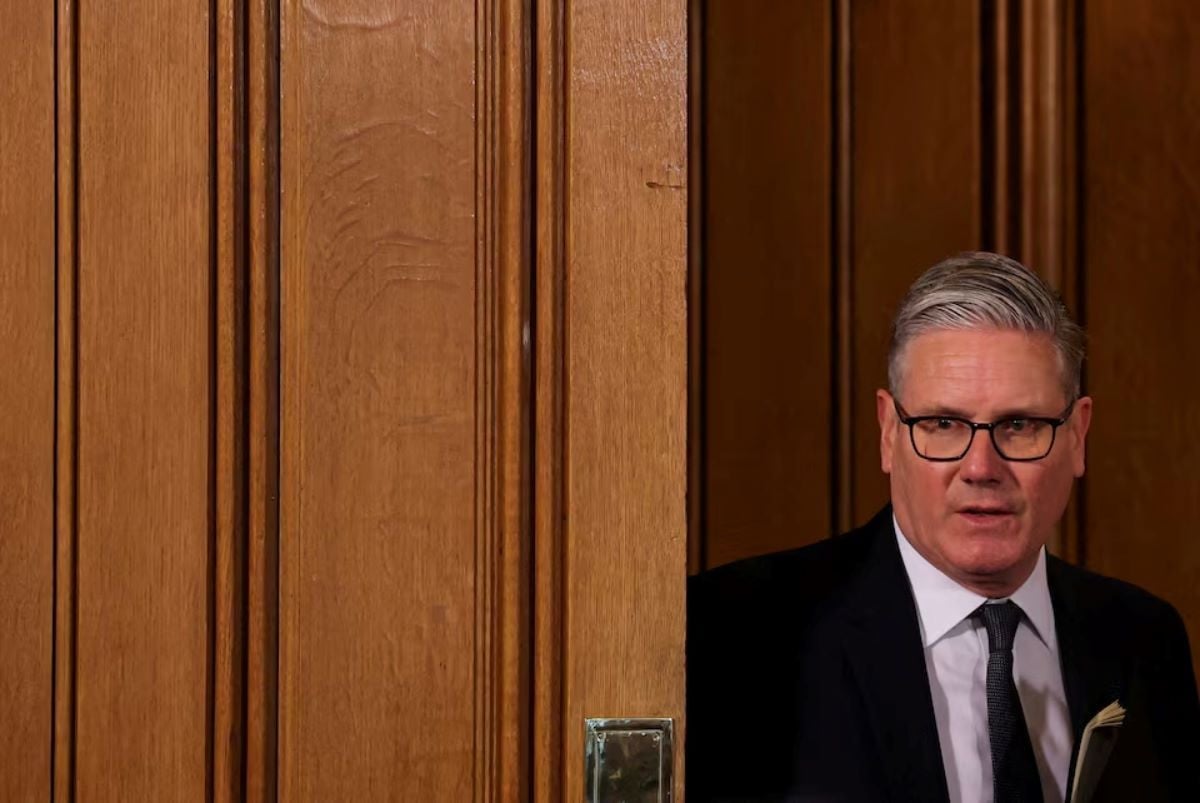
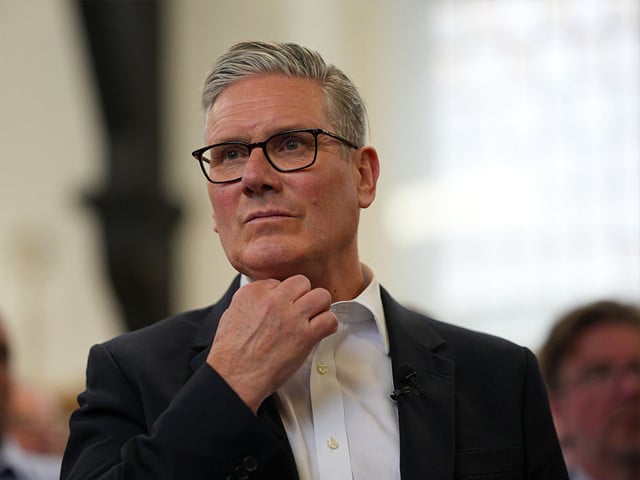
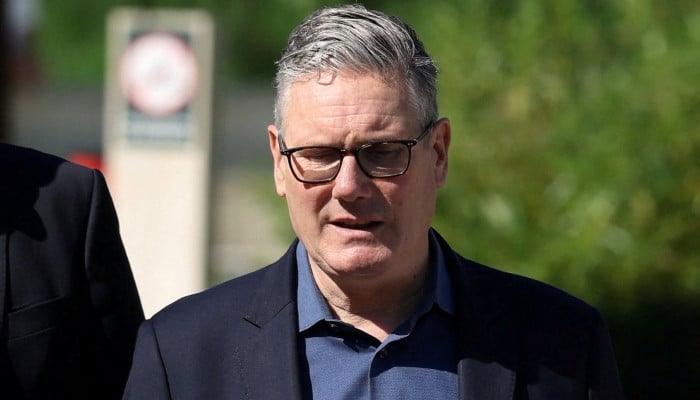
LONDON: British Prime Minister Keir Starmer on Tuesday pushed back against calls for his resignation, telling ministers he would continue governing after what he described as a destabilising 48 hours for his administration following Labour’s poor local election showing and the resignation of a junior minister.
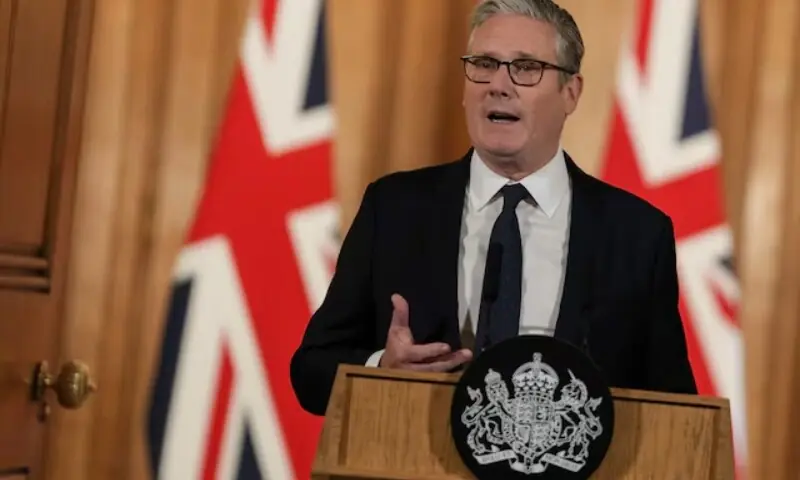
At a cabinet meeting, Starmer said there had been no formal move to trigger a leadership challenge, even as pressure mounted from within his party. According to his Downing Street office, he told ministers, "The Labour Party has a process for challenging a leader and that has not been triggered, and added, The country expects us to get on with governing. That is what I am doing and what we must do as a cabinet."
Starmer also referred to market concerns over political instability, saying the
past 48 hours have been destabilising for government and that has a real economic cost for our country and for families
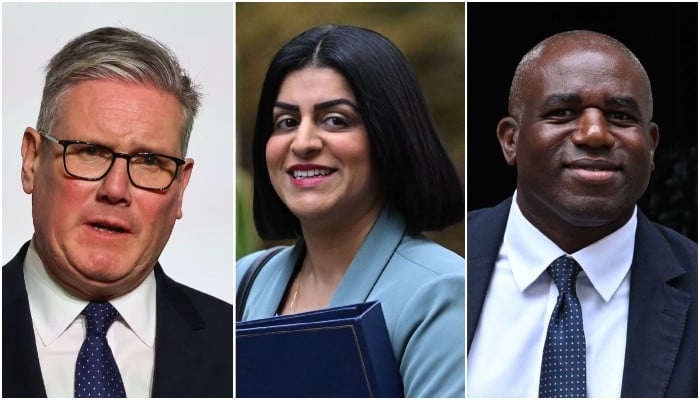
Jess Phillips, Britain’s safeguarding minister, resigned from government in protest at Starmer’s leadership. Phillips, a prominent Labour lawmaker and women’s rights campaigner, was one of three junior ministers to step down. Her resignation added to the pressure on Starmer after one of Labour’s worst local election defeats.
In her resignation letter, first reported by Sky News, Phillips criticised Starmer’s approach, saying:
The desire not to have an argument means we rarely make an argument, leaving opportunities for progress stalled and delayed.She added: "I want a Labour government to work.., but I'm not seeing the change I think I, and the country expect, and so cannot continue to serve as a minister under the current leadership."
More than 80 Labour lawmakers have publicly called on Starmer to set out a timetable for leaving office. Reuters reported that all eyes were on senior figures including health minister Wes Streeting, who has openly signalled his ambition to become prime minister, to see whether they would move directly against Starmer.
After the cabinet meeting, several senior ministers publicly backed the prime minister. Pensions minister Pat McFadden told reporters that no one had challenged Starmer in cabinet. Jenny Chapman, a junior minister in the foreign office, said the majority of Labour’s 403 lawmakers
don't want the chaos.
Others seen as wanting Starmer to leave, including Streeting and interior minister Shabana Mahmood, either departed without speaking to reporters or did not leave through Downing Street, where journalists were waiting.
Leadership pressure and party divisions
Starmer has been Labour leader since 2020, when he took over after the party’s worst national election result since 1935 under Jeremy Corbyn. He was initially viewed as a steady figure who could move Labour closer to the political centre.
In the 2024 general election, he led Labour to one of the party’s biggest majorities in modern British history on a promise of stability after years of Conservative turmoil that saw five prime ministers in eight years. He is now facing a fight for his political survival.
Reuters reported that support for Starmer in the wider Labour Party has begun to weaken. One Labour lawmaker told Reuters on condition of anonymity: "I can't see how he gets through the day." but removing a Labour prime minister is generally more difficult than removing a Conservative leader.
Under Labour’s rules, 81 lawmakers must unite behind a single candidate to trigger a contest. According to a Reuters tally, about half of those calling for Starmer to go are from the party’s left, while just over a quarter are more centrist, suggesting no single challenger yet has the numbers.
If Starmer were forced to leave or set a departure date, Streeting could benefit because he is well placed to move first. His supporters say he would be a stronger communicator than Starmer. Other possible contenders include Greater Manchester Mayor Andy Burnham and former deputy prime minister Angela Rayner, both seen as figures from Labour’s moderate left. However, Burnham does not hold a parliamentary seat needed to mount a challenge, while Rayner has yet to fully resolve the tax issues that led to her resignation last year.
Comments
No comments yet. Be the first to join the discussion!