

June 11, 2026
Poverty climbs to 28.9pc as inequality widens, Economic Survey shows
Pakistan’s poverty rate rose to 28.9pc in 2024-25, according to the Economic Survey, even as macroeconomic indicators improved. The report also showed higher inequality and a sharp rural-urban poverty gap.

June 11, 2026
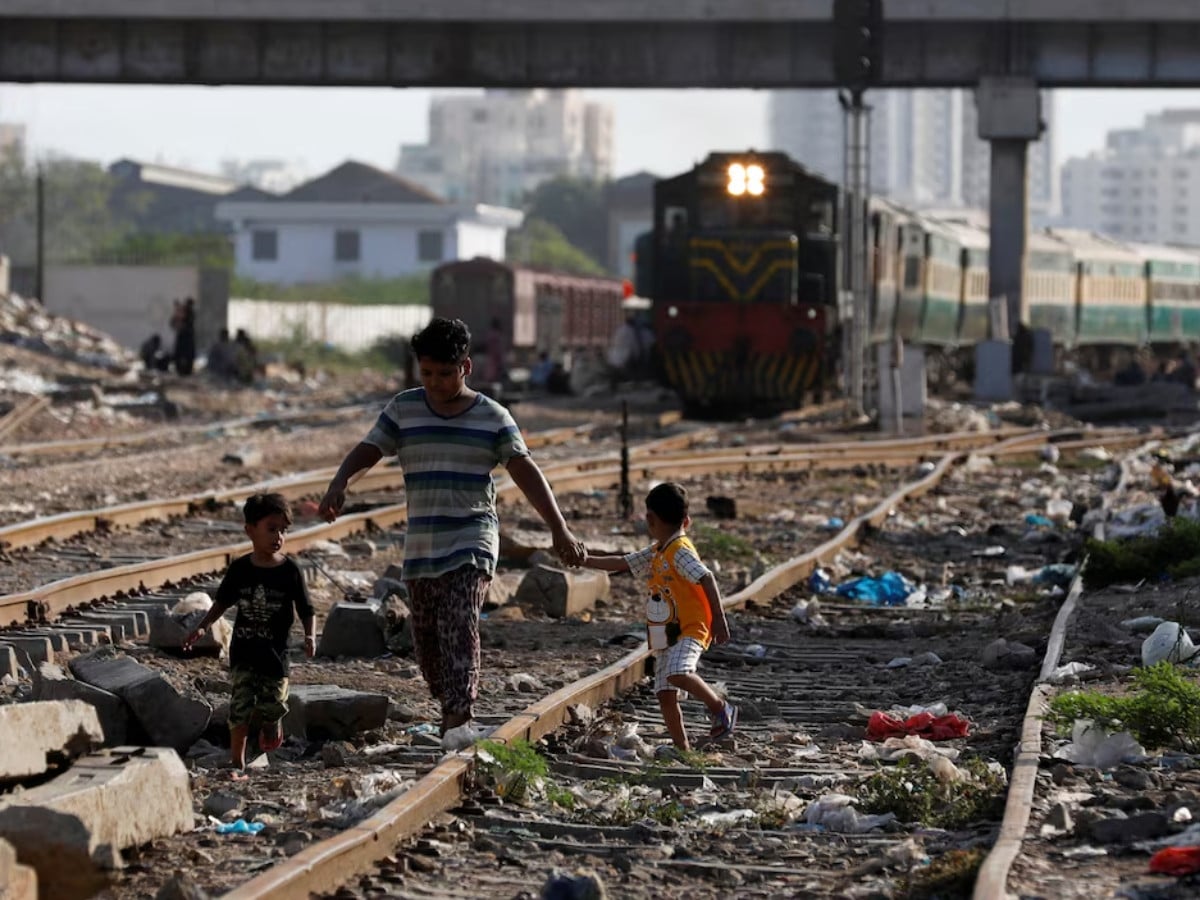
ISLAMABAD: Pakistan’s poverty rate has risen to 28.9 per cent in 2024-25 despite an improvement in broader economic indicators, the Pakistan Economic Survey 2025-26 also recorded a widening in income inequality.
The survey stated that poverty had fallen over the longer term from 50.4 per cent in 2005-06 to 21.9 per cent in 2018-19 before increasing again. The latest rise came alongside a deterioration in income distribution, with the national Gini coefficient increasing from 28.4 to 32.7 over the same period.
The findings come as the government highlights gains in macroeconomic stability, including 3.7pc GDP growth, lower fiscal deficits, stronger foreign exchange reserves and better investor confidence. However, the survey’s data indicates that the recovery has not translated evenly into household living standards.
Poverty remains substantially higher in rural areas, where it stood at 36.2 per cent, compared with 17.4 per cent in urban centres. The increase in poverty is linked to a succession of economic shocks, including inflation, currency depreciation, floods and slower growth in incomes.
Although inflation has moderated from earlier crisis levels, households are still dealing with the impact of higher food, energy and transport costs built up over recent years, the survey indicated. The government, meanwhile, says social protection spending has helped support vulnerable segments of the population.
Social spending and safety nets
Pro-poor expenditure reached Rs4.66 trillion during July-March FY26, up from Rs4.25 trillion in the same period a year earlier. The Benazir Income Support Programme, described as the country’s largest social safety net, was allocated Rs722.49 billion in FY26, of which Rs540.27 billion was disbursed in the first nine months of the fiscal year.
Spending on social security and welfare rose to Rs822.21 billion, while disaster-related expenditure increased sharply to Rs224.92 billion in the context of climate-related pressures and recovery efforts.
Social indicators improve
Despite the rise in poverty, progress was reported in several social indicators between 2018-19 and 2024-25. These included school attendance, literacy, internet access, immunisation coverage, sanitation facilities and access to cleaner fuels.
Finance Minister Muhammad Aurangzeb acknowledged the challenge during the presentation of the survey and said conventional economic measures were not delivering employment growth. He said:
"We need a paradigm shift in the age of AI."
0 Comments
No comments yet. Be the first to join the discussion!


