June 8, 2026
PIDE calls for tax incentives to boost country’s falling savings rate
PIDE has urged the government to announce tax and institutional reforms in the budget to revive domestic savings. The institute warned that Pakistan’s savings rate has fallen to 6.4pc of GDP, increasing pressure on investment and external financing.

June 8, 2026
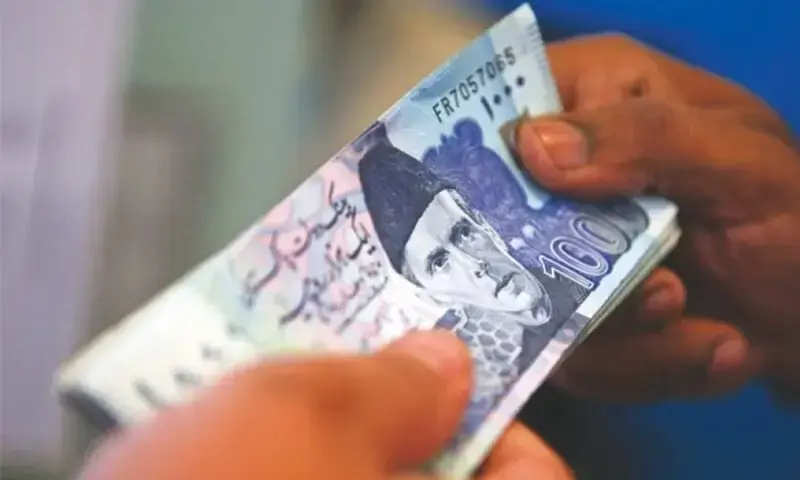
ISLAMABAD: The Pakistan Institute of Development Economics (PIDE) has asked the government to introduce budget measures this week to encourage household saving, warning that the country’s domestic savings base has weakened sharply over the past three decades and is adding to an investment shortfall.
In a policy note released before the federal budget, the state-run institute said Pakistan should begin a national savings drive without delay to avoid another external financing crunch. The note, prepared by PIDE Professor of Economics Dr S.M. Naeem Nawaz and Research Economist Wajid Islam, said gross domestic savings had dropped from 17.4 per cent of GDP in 1992 to 6.4pc in 2024.
The report, titled Mobilising Domestic Savings: A Finance Bill and Institutional Reform Agenda for Pakistan, said the Finance Bill for 2026-27 should include a targeted National Savings Mobilisation Package. Pakistan now saves only Rs6 out of every Rs100 of income and argued that this erosion in savings had become a major constraint on investment.
Suggested measures
PIDE said a large share of household wealth remained parked in cash, gold, real estate, committees and foreign currency, and should be brought into regulated financial channels. It proposed wider retail access to sukuk, Shariah-compliant savings products, voluntary pension schemes, takaful, micro-insurance, real estate investment trusts, regulated gold funds and digitised National Savings instruments.
The policy note also called for easier know-your-customer requirements for small-balance accounts to improve access. Such steps could help narrow the savings gap if paired with broader reforms.
Dr Nawaz said the country’s long reliance on external resources had come at a recurring cost.
"For 30 years, we have financed our ambitions with other people’s money, and paid for it with recurring crises," he said.
"The choice is no longer austerity versus growth. It is whether we keep renting our future from foreign creditors, or finally rebuild the domestic savings base that every successful economy has relied on," he added.
Wajid Islam said the issue was not simply about individual thrift. "This is not about advising households to be frugal; it is about changing incentives and nudging them to save," he said.
Need for wider reforms
The authors said tax breaks on their own would not be enough to produce lasting results. They said progress would also depend on price stability, credible after-tax real returns, stronger consumer safeguards and tighter control over public spending.
The report warned that unless public-sector dissaving and fiscal crowding-out were tackled at the same time, any additional savings mobilised through new incentives could end up financing recurring budget deficits instead of productive private investment.
To monitor implementation, PIDE proposed an annual Savings Mobilisation Dashboard to measure domestic savings rates, uptake of formal savings products, participation in voluntary pensions, investment in retail sukuk, women-owned accounts and allocation of credit to the private sector.
0 Comments
No comments yet. Be the first to join the discussion!