PM approves revised closing hours for markets and restaurants
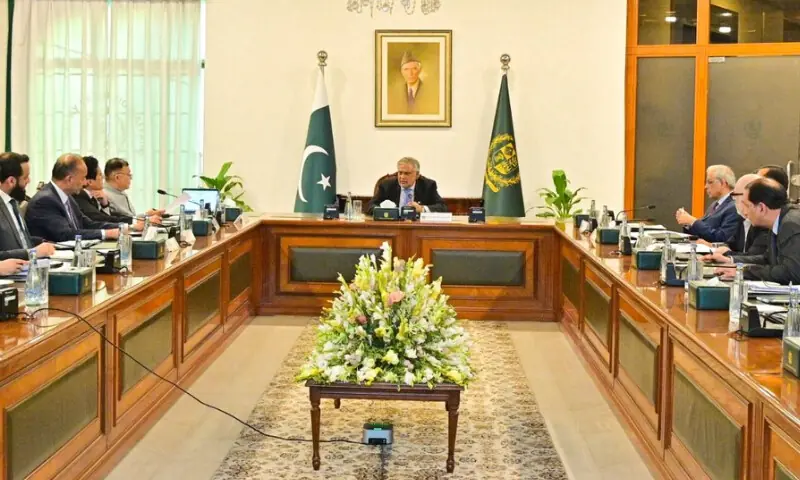
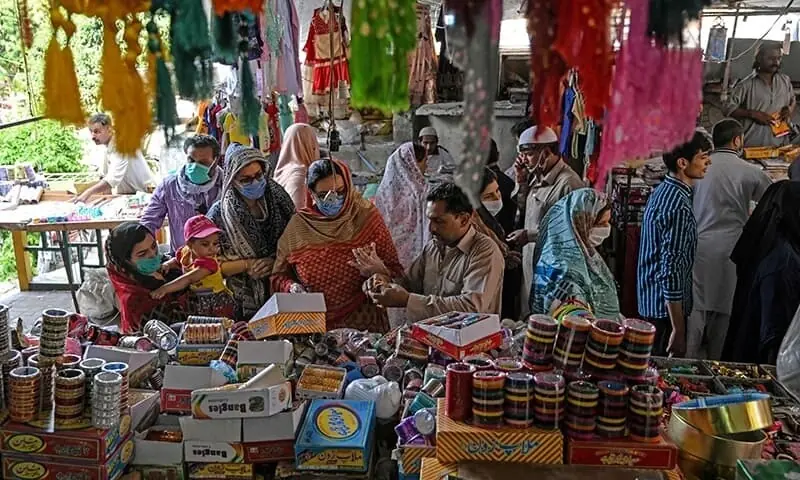
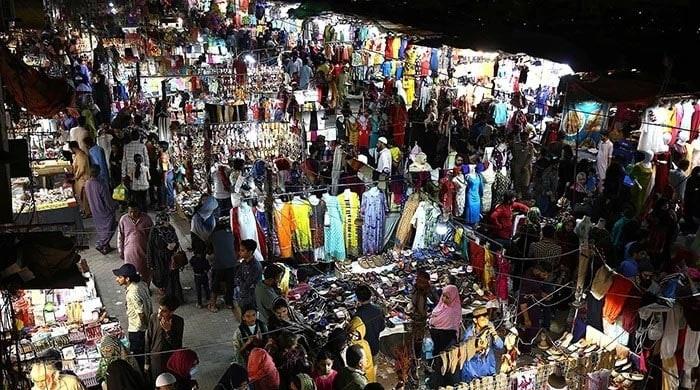
Prime Minister Shehbaz Sharif has approved revised nationwide closing hours for businesses, citing longer daylight hours and rising summer temperatures. Shops will close at 9pm, marriage halls at 10pm, and restaurants at 11pm, with several essential services exempted.

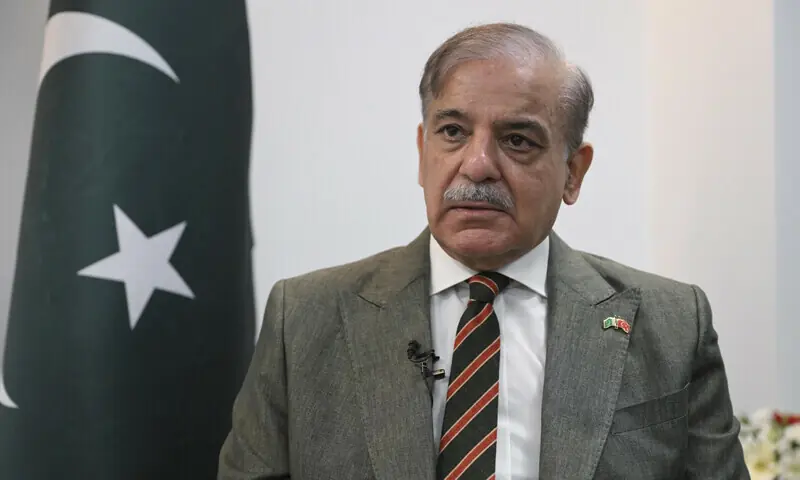
ISLAMABAD: Prime Minister Shehbaz Sharif has approved new nationwide business closing hours with immediate effect, extending operating times for shops, markets, restaurants and other commercial outlets during the summer season.
According to a Cabinet Division notification, the revised timings were approved in view of longer daylight hours and rising temperatures in summer. Deputy Prime Minister and Foreign Minister Ishaq Dar also shared the notification on X.
"longer daylight hours and rising temperatures in summer"Under the new schedule, markets, shopping malls, bazaars, departmental stores, grocery shops, general stores and kiryana shops will close at 9pm throughout the week. Marriage halls, marquees and other commercial venues hosting festive events will shut at 10pm, while restaurants, cafes, eateries, food outlets and standalone fruit and vegetable shops will remain open until 11pm. Takeaway and home delivery services are exempt from these limits.
The notification said pharmacies, medical supply stores, laboratories, clinics and hospitals will not be subject to the revised closing hours. It also exempted bakeries, tandoors, milk and dairy shops, fuel pumps, CNG stations, electric vehicle charging stations, gyms, sports facilities, padel courts, information technology companies and call centres.
Austerity measures
The revised timings follow a decision taken a day earlier at a meeting of the Committee for Monitoring and Implementation of Austerity Measures, chaired by Ishaq Dar. Provincial and regional governments have been asked to implement the new schedule.
The federal government had introduced austerity and fuel conservation measures in March after the Middle East conflict and the closure of the Strait of Hormuz triggered disruption in global energy markets. The steps were aimed at reducing energy consumption and easing pressure from higher fuel costs and oil prices.
The measures included earlier closure of markets and commercial centres, an additional weekly holiday for government offices, a 50 per cent cut in fuel allowance for official vehicles, grounding 60pc of official vehicles, and a ban on foreign visits by ministers and government officials except those considered essential in the national interest. Operational vehicles such as ambulances and public buses were exempted.
One report said the restrictions were temporarily eased ahead of Eid before being reimposed from April 1. On May 11, the prime minister extended the countrywide austerity drive until June 13.
Comments
No comments yet. Be the first to join the discussion!