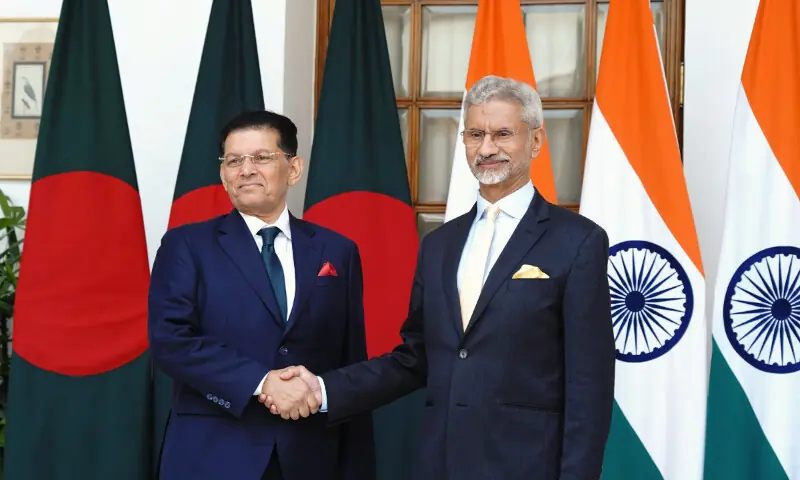
Bangladesh’s Khalilur Rahman elected president of UN General Assembly
Bangladesh Foreign Minister Khalilur Rahman has been elected president of the UN General Assembly for its 81st session after a close vote against Cyprus candidate Andreas S. Kakouris. Pakistan’s Ishaq Dar congratulated him on the result.

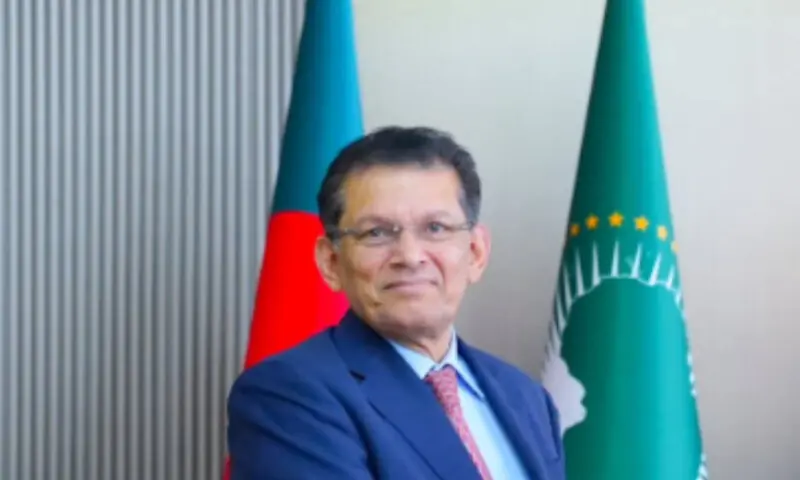
UNITED NATIONS: Bangladesh’s Foreign Minister Khalilur Rahman was elected president of the United Nations General Assembly for its 81st session on Tuesday after defeating Cyprus candidate Andreas S. Kakouris in a closely contested vote.
According to the reported result, Rahman secured 99 votes in the 193-member assembly, while Kakouris received 91. There were no abstentions. The required majority was 96 votes.
The UN General Assembly elects its president each year, with all 193 member states holding one vote each. Under the body’s rules of procedure, the election is held by secret ballot unless members decide otherwise, and the winning candidate must obtain a simple majority of those present and voting.
Although the process is formally a contest, it operates within a long-established system of geographical rotation. For the 81st session, the Asia-Pacific Group had the right to nominate candidates, resulting in a race between the Bangladesh and Cyprus-backed contenders within that framework.
The president-elect will assume office at the opening of the 81st UNGA session in September 2026 and will serve for one year. The officeholder presides over plenary meetings, manages debate and helps facilitate negotiations among member states.
The outcome stood out because the race was more competitive than many UNGA presidential selections, which are often decided by consensus or go uncontested. The 99-91 margin pointed to a tightly fought contest in which diplomatic outreach and regional alignments appeared to matter.
The post is considered a prominent one in multilateral diplomacy. While the president of the General Assembly does not make binding policy, the office plays a part in shaping debates on international peace and security, development, climate action and reform of the United Nations, and can also help steer negotiations on procedural and politically sensitive resolutions.
The result also reflects Bangladesh’s diplomatic standing in multilateral forums. The presidency is seen as both symbolic and strategic, giving the country holding the office an opportunity to contribute to consensus-building among the UN’s 193 member states during a period of global strain.
Pakistan’s Deputy Prime Minister and Foreign Minister Ishaq Dar congratulated Rahman in a post on X. Dar said:
Having closely engaged with him, I am confident that his vast diplomatic experience and steadfast commitment to multilateralism will guide the Assembly with distinction. I look forward to continuing our engagement at the United Nations and working together to strengthen multilateral cooperation, advance shared global priorities, and promote dialogue, peace and sustainable development.
Dar also wished the Bangladeshi foreign minister success in carrying out the responsibility.
Comments
No comments yet. Be the first to join the discussion!