WHO sharply cuts suspected Ebola cases in DR Congo as confirmed infections rise
WHO says suspected Ebola cases in DR Congo have fallen to 116 from more than 900 after many were ruled out through testing. Confirmed cases now stand at 321 in DR Congo and nine in Uganda.

Islamabad: The World Health Organisation on Tuesday sharply revised down the number of suspected Ebola cases linked to the outbreak in the Democratic Republic of Congo, saying the figure had fallen to 116 from more than 900 reported late last week, while confirmed cases rose to 330 across DR Congo and Uganda.
According to the WHO, as of May 31, there were 116 suspected cases recorded in the DRC. The agency said 321 cases had been confirmed in the country, including 48 deaths. In neighbouring Uganda, nine confirmed infections had been registered, including one death.
WHO spokesman Christian Lindmeier said the steep drop in suspected cases reflected the removal of many cases after testing showed patients had other illnesses with similar early symptoms, or fevers not connected to Ebola. He said suspected cases include anyone identified through surveillance or arriving at a health facility with symptoms that may resemble Ebola until laboratory testing is completed.
Speaking to reporters, Lindmeier said many people initially counted as suspected Ebola patients were later excluded from that tally after testing. He cited malaria, meningitis and other illnesses as examples. He said this meant people dropped off the suspected-case list once Ebola was ruled out, while those who tested positive were then added to the confirmed count.
He said it was therefore normal for the number of confirmed cases to continue increasing while the number of suspected cases could move up or down.
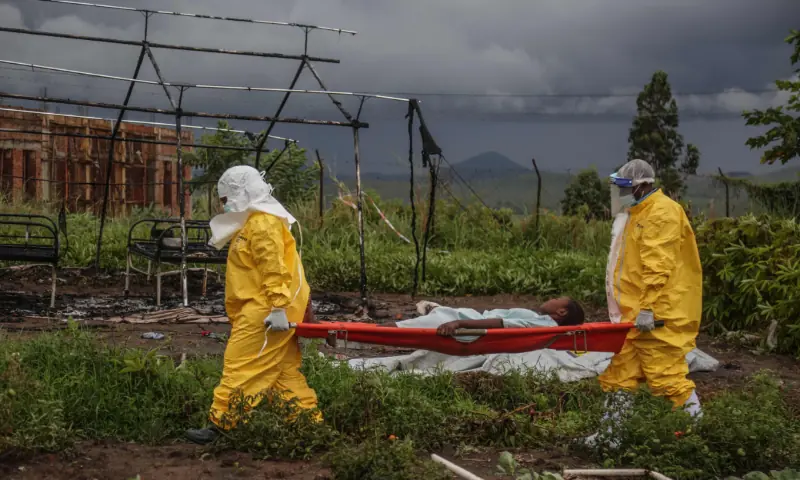
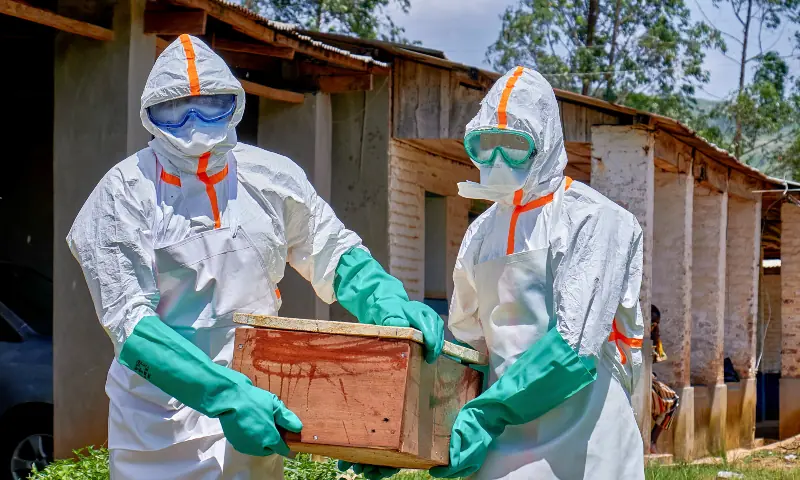
WHO’s earlier data had also included 223 deaths suspected to be linked to Ebola, but the new figures no longer carry that category. Asked about the change, Lindmeier indicated the earlier number had been highly uncertain because it included people who had died some time ago and whose remains, in many instances, could not be exhumed for testing.
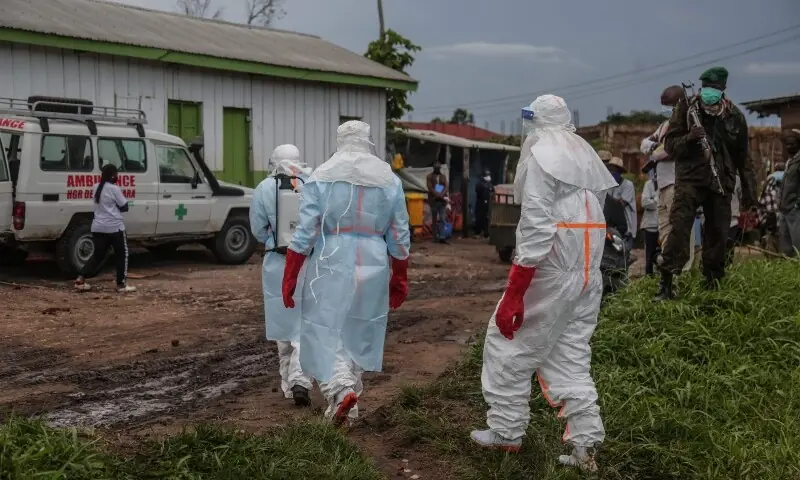
The outbreak was declared on May 15 in Ituri province in northeastern DR Congo, an area affected by conflict. The virus is believed to have been circulating for weeks before the declaration. WHO said one reason for delayed detection was that the Bundibugyo strain behind the outbreak initially causes symptoms resembling flu, malaria or typhoid.
The organisation also said six people with confirmed Ebola infections in the current outbreak had recovered. It noted that there is no vaccine or approved treatment for the Bundibugyo strain, leaving prevention-based containment measures as the main tool to curb transmission.
Comments
No comments yet. Be the first to join the discussion!