WHO raises Ebola risk in DR Congo to highest level as suspected cases climb
The WHO has raised the Ebola risk level in the Democratic Republic of Congo from high to very high as suspected cases and deaths continue to rise. The agency said the regional risk remains high and the global risk low.

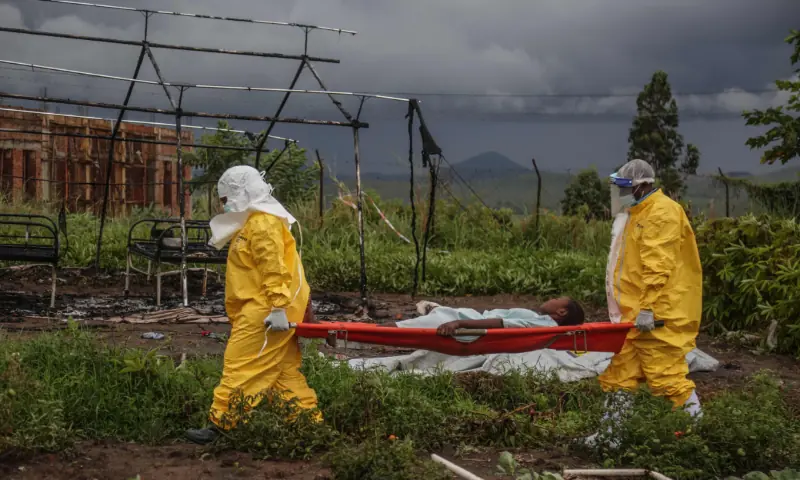
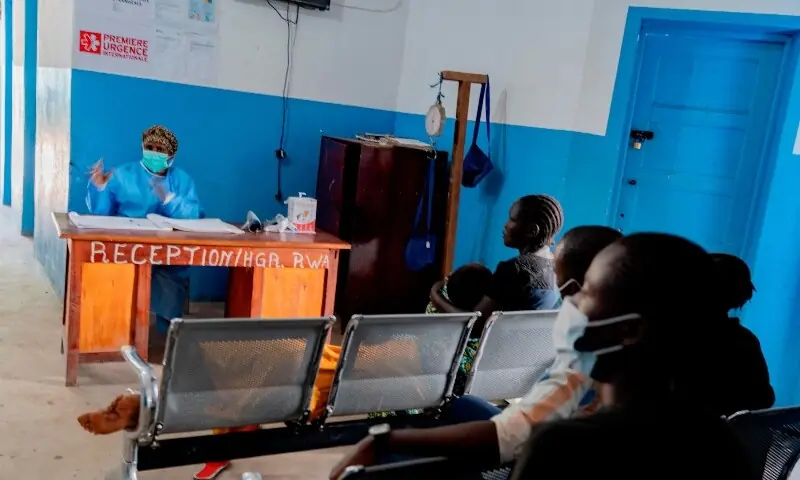
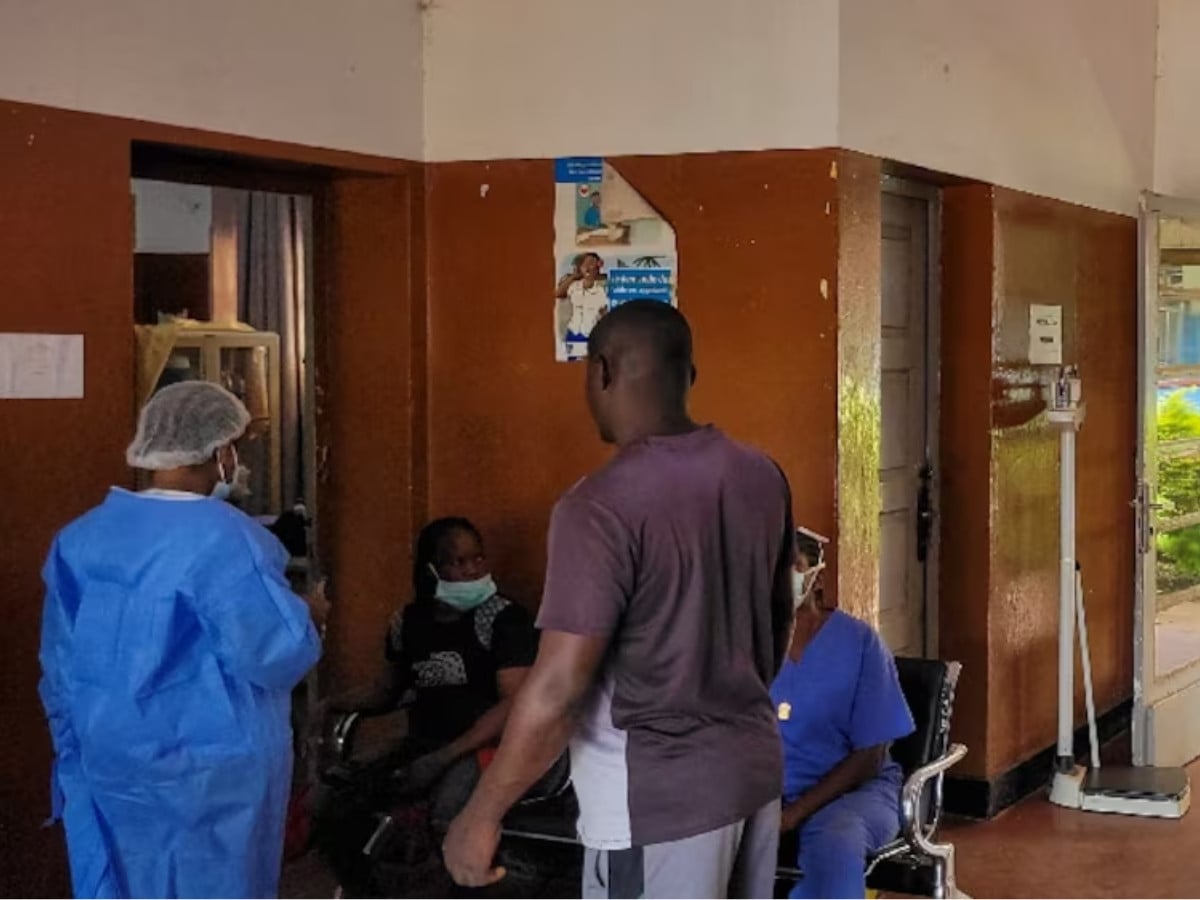
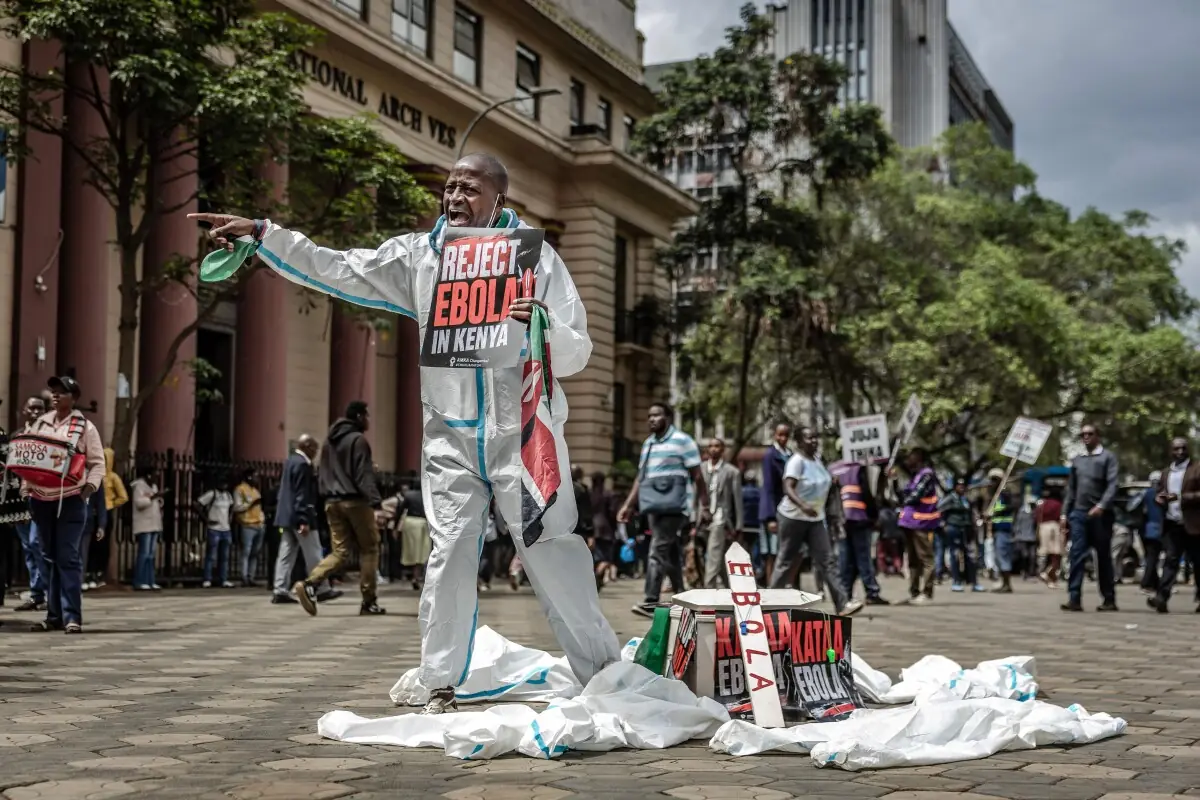
KINSHASA: The World Health Organisation has raised its risk assessment for the Ebola outbreak in the Democratic Republic of Congo to its highest level, saying the situation in the country has become more alarming as suspected infections and deaths continue to increase.
In an update issued on Friday, the WHO said the risk level for the DRC had been moved from high to very high. It kept the regional risk assessment at high and the global level at low.
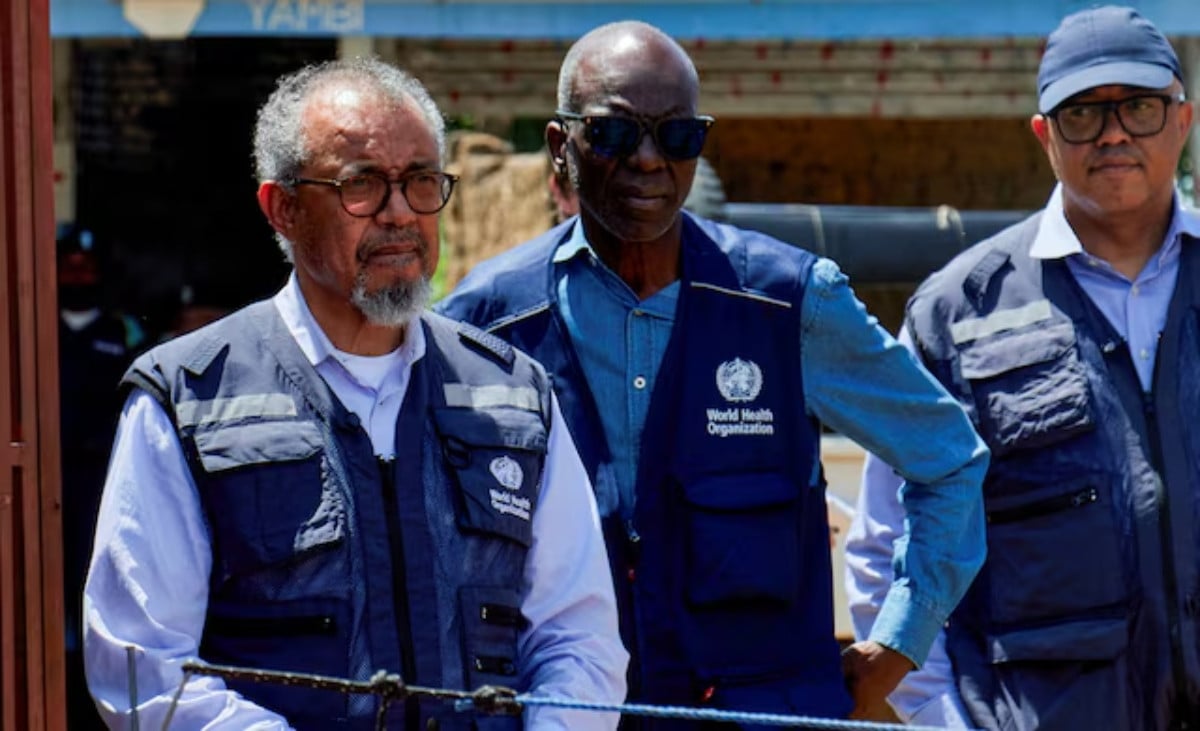
WHO Director-General Tedros Adhanom Ghebreyesus described the outbreak as a serious concern and said the scale of the epidemic was believed to be larger than the confirmed figures alone indicate. Speaking at a press conference, he said there were nearly 750 suspected cases in the DRC and 177 suspected deaths, while health teams were working to trace contacts linked to people thought to have contracted the virus.
Tedros said:
“The Ebola outbreak in the Democratic Republic of the Congo is spreading rapidly,”
He added:
“So far, 82 cases have been confirmed in DRC, with seven confirmed deaths.
“But we know the epidemic in DRC is much larger. There are now almost 750 suspected cases and 177 suspected deaths.”
The WHO chief also gave an update on Uganda, where he said the situation was stable. According to Tedros, two cases were confirmed in people who had travelled from the DRC, and one death had been recorded there.
He said steps taken by Ugandan authorities, including intensive contact tracing and the cancellation of the Martyrs’ Day commemorations, appeared to have helped stop further spread of the virus.
International response and deployments
Tedros said a US national working in the DRC had tested positive and was transferred to Germany for treatment. He added that another US national identified as a high-risk contact had been moved to the Czech Republic.
Besides national personnel already working in the DRC, he said the WHO had deployed 22 international staff members to the field.
Referring to the response effort, Tedros said these included some of the organisation’s most experienced personnel. He also said violence and insecurity in the DRC were hampering efforts to contain the outbreak.
Treatment trials under consideration
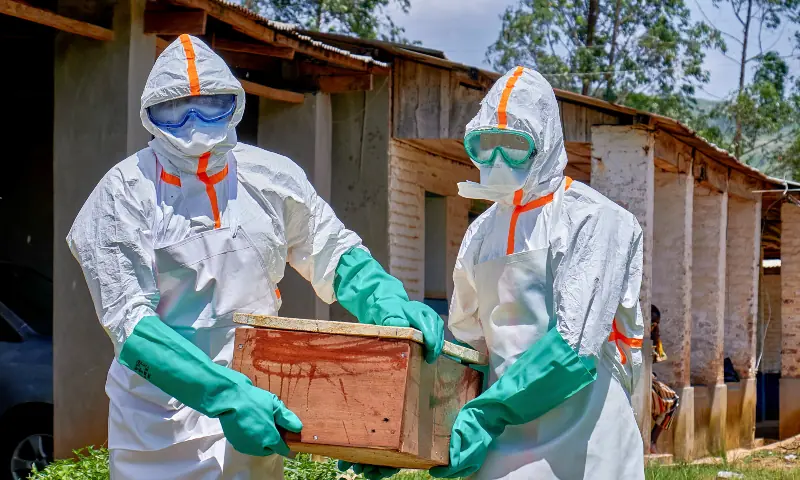
Ebola is a severe viral disease transmitted through direct contact with bodily fluids. It can lead to serious bleeding and organ failure.
The current outbreak involves the Bundibugyo strain of Ebola, for which there are no approved vaccines or treatments. There have previously been only two Bundibugyo outbreaks: one in Uganda in 2007 and another in the DRC in 2012.
WHO chief scientist Sylvie Briand said the agency was reviewing all available tools that could potentially help tackle the outbreak and was prioritising them on the basis of safety and effectiveness.
According to Briand, the WHO’s research and development arm convened its technical advisory group on treatments, which recommended prioritising two monoclonal antibodies for clinical trials.
The group also recommended that the antiviral obeldesivir be assessed in clinical trials as post-exposure prophylaxis for people considered high-risk contacts. Briand said it looked promising as a possible way to prevent infected contacts from developing the disease.
The WHO is also discussing with partners the eventual development of vaccines that could work against the Bundibugyo strain.
Comments
No comments yet. Be the first to join the discussion!