

Animal remains from Eid sacrifice boost seasonal income
Animal remains discarded after Eidul Azha are collected by nomadic workers and sanitation staff for resale in a seasonal by-products trade. A livestock official says the material, especially omasum, has uses in international meat and medical supply chains.

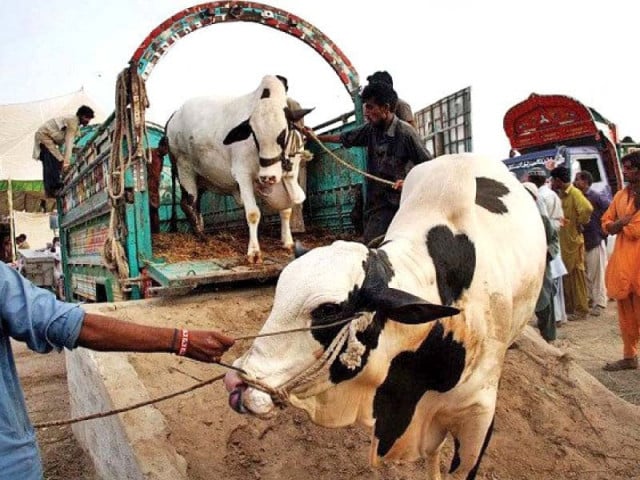
SARGODHA: Animal remains discarded by many households after Eidul Azha become a source of seasonal earnings for nomadic collectors and sanitation workers, with parts of slaughtered cattle entering a wider trade that local officials say has developed into a profitable informal market.
Abdul Ghafoor, a nomad living in a roadside tent along Sargodha Road, said Eid brings him the highest income of the year because of the sharp increase in sacrificial animal waste. He said a particular section of cattle intestines, referred to in local trade slang as Chodra, is especially valuable. According to Ghafoor, he removes a football-sized portion of stomach lining attached to the intestines and sells it to local dealers for Rs800 to Rs1,000, giving him quick cash.
He said these middlemen then wash, salt and dry the material before passing it on to larger traders, especially in Karachi, from where it is reportedly exported to China. He further claimed that in China the product is processed for medical manufacturing, including surgical sutures used in operations around the world, and that finished items are also brought back to Pakistan for use in hospitals and medical institutions.
Ghafoor said the trade can be highly lucrative during Eid, adding that he earns more than Rs100,000 on the first day alone by collecting such material from both urban and rural areas. He also said competition over access to the remains often triggers disputes with municipal sanitation workers, particularly those linked to Suthra Punjab, because both sides see the material as commercially valuable.
Livestock official explains material in demand
District Livestock Department official Dr Suhail Anjum said large ruminants such as cows and buffaloes have four stomach compartments: rumen, reticulum, omasum and abomasum. He explained that the section commonly collected and traded is the omasum, which is involved in digestion and is made up of multiple thin tissue layers.
Dr Anjum said processed omasum, also known as beef tripe, is used in the international meat and medical supply chain, particularly in exports to China. He added that it is used in industrial applications, including the making of surgical sutures and other medical materials.
He said the seasonal trade in livestock by-products has expanded into a profitable informal industry, which is why nomadic collectors and sanitation workers actively compete to obtain the material during Eidul Azha. According to Dr Anjum, this rivalry frequently leads to confrontations at dumping sites. He added that the market for livestock by-products rises sharply during Eid, turning material usually treated as waste into a temporary but significant source of income for many low-income workers.
Comments
No comments yet. Be the first to join the discussion!


