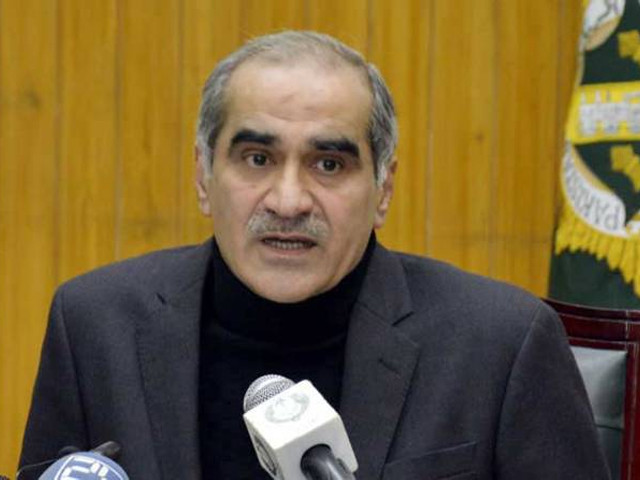
Saad Rafique calls for consensus on new provinces and political dialogue
Khawaja Saad Rafique has called for a national consensus on creating new provinces, saying Punjab should not be singled out. He also urged political dialogue, stronger local governments and unity on security and economic challenges.

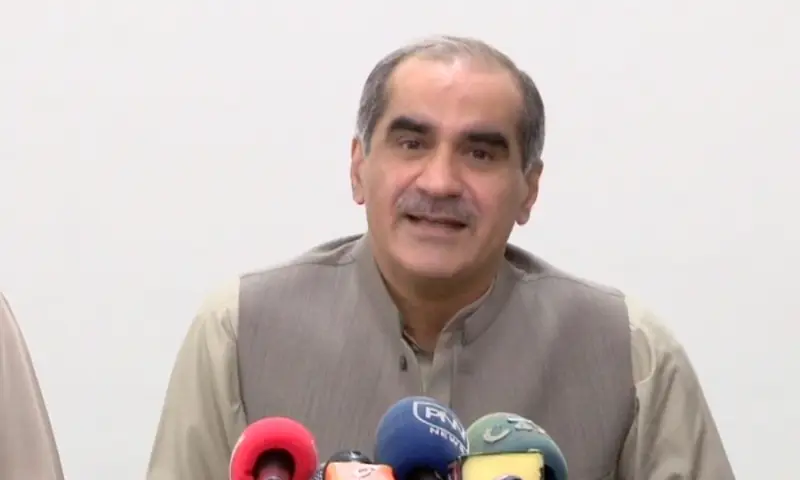
LAHORE: Pakistan Muslim League-N leader and former federal minister Khawaja Saad Rafique on Sunday urged a national consensus on the creation of new provinces, saying he supported smaller administrative units in principle but opposed any move that focused only on Punjab while setting aside similar demands from other parts of the country.
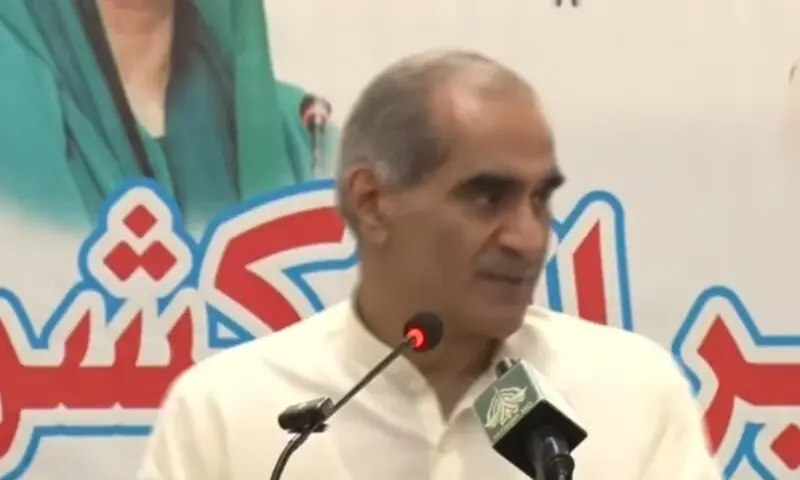
Speaking at a ceremony in Lahore, Rafique said the issue should be addressed under the Constitution and in a way that did not intensify existing political or provincial fault lines. Referring to recent statements by Pakistan Peoples Party leaders that the process of creating smaller provinces should begin with Punjab, he said Punjab should not be singled out.
He said all provinces must be treated on an equal basis if the country decided to move towards smaller federating units. Stressing the constitutional route for any such step, he said provincial assemblies should not be weakened or abolished, adding that Pakistan was already dealing with enough internal divisions.
Rafique also called for constitutional protection for local governments across the country, saying strong local bodies could help address public problems at the grassroots level and improve governance. He said the repeated dissolution of local government institutions should come to an end and argued that stronger municipal systems would help reduce public grievances.
He urged political parties to shift from confrontation to reconciliation at a time when the country was facing security and economic pressures. Rafique said the political temperature in Pakistan needed to be lowered and called for dialogue among constitutional political forces. He said parties that believed in the Constitution should engage with one another, but ruled out talks with militants involved in violence and terrorism.
Referring to the security situation, he said Pakistan continued to face terrorism, mentioning a train attack earlier in the day as well as ongoing conflict with the Tehreek-i-Taliban Pakistan in Khyber Pakhtunkhwa. He said political parties should unite on national issues and proposed a fresh charter of democracy and charter of economy among political stakeholders.
Rafique also called for dialogue among major political parties, including Pakistan Tehreek-e-Insaf, Pakistan Muslim League-N and Pakistan Peoples Party, saying political isolation was not a solution. He criticised what he described as past undemocratic interventions, including the removal of governments and the period that followed military rule.
On regional developments and the Middle East, Rafique said there had been attempts to set Iranians and Arabs against each other so that Zionist forces could benefit, but added that Pakistan had played a diplomatic role in engaging both sides. He praised Iran’s unity and resilience and warned that if the Iranian government had fallen, “a new Israel would have emerged between Iran and Pakistan,” describing regional stability as important for Pakistan’s security.
He added that Pakistan could gain economically if international sanctions on Iran were lifted, and also praised the Saudi leadership for what he described as restraint and patience during regional tensions.
Comments
No comments yet. Be the first to join the discussion!