PTI says government preparing 'fifth budget without reforms'
PTI has criticised the government ahead of the budget, alleging that no meaningful reforms have been carried out and that even routine fiscal decisions now need IMF approval. The party also questioned provincial surpluses and the expansion of cash transfer schemes.

ISLAMABAD: Pakistan Tehreek-i-Insaf (PTI) has accused the government of moving towards its fifth budget without undertaking structural reforms, with the opposition party claiming that even routine fiscal decisions now require the International Monetary Fund’s approval.
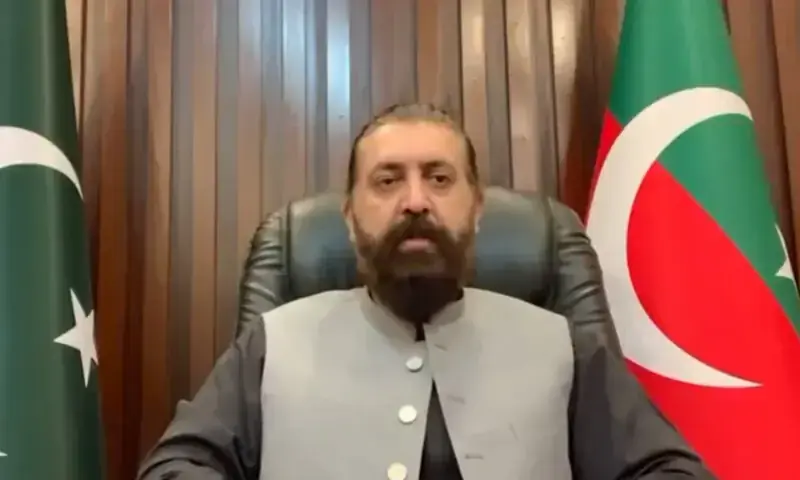
In a statement, PTI Central Information Secretary Sheikh Waqas Akram said no meaningful effort had been made during the past five years to lower the cost of governance, curb what he described as wasteful expenditure, or fix structural weaknesses in the economy. He said the public had repeatedly been asked to bear declining incomes, fewer employment opportunities and reduced purchasing power in the name of economic stability.
Akram claimed that, in return, the country had seen weak growth, capital outflows, lower investment and an economy that was steadily falling behind regional competitors. He also criticised the government’s presentation of provincial surpluses, saying they were being used to improve the federal government’s fiscal appearance rather than reflecting genuine financial strength.
Referring to the issue, Akram said the reported provincial surpluses were “little more than an accounting device”.
He added: “By forcing provinces to surrender resources to improve federal optics, the budget deprives schools, hospitals and local infrastructure of funds at a time when both education and health services are under severe strain,” he said.
The PTI leader also took aim at the expansion of cash transfer programmes, saying the move was being portrayed as an act of compassion by the government. He argued that the widening of such schemes instead reflected deeper economic failure and an inability to create conditions in which people could sustain themselves without long-term state support.
On that point, Akram said: “It is, in fact, an open admission that the underlying model has failed so thoroughly that large sections of the population must now be kept on permanent state support to avoid outright destitution,” he said.
Separately, Akram expressed grief over the vehicle-borne suicide attack on a passenger train in Quetta and offered condolences to the families of those affected. He described the incident as a “clear and damning indictment” of what he called the failure of the federal and provincial governments’ security apparatus.
Comments
No comments yet. Be the first to join the discussion!