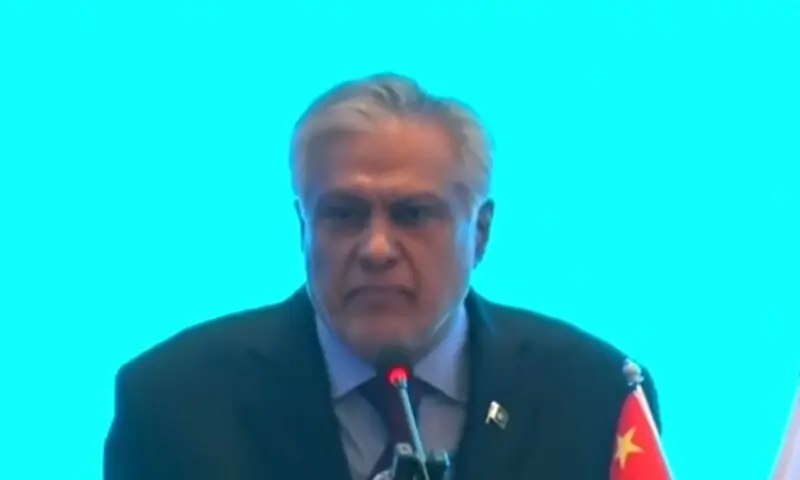
PM Shehbaz’s China visit to further deepen strategic partnership, advance CPEC 2.0
PM Shehbaz Sharif visits China for three days to strengthen Pakistan-China strategic cooperation and push forward CPEC 2.0, with a focus on industrialization, innovation, and Gwadar and the Karakoram Highway.
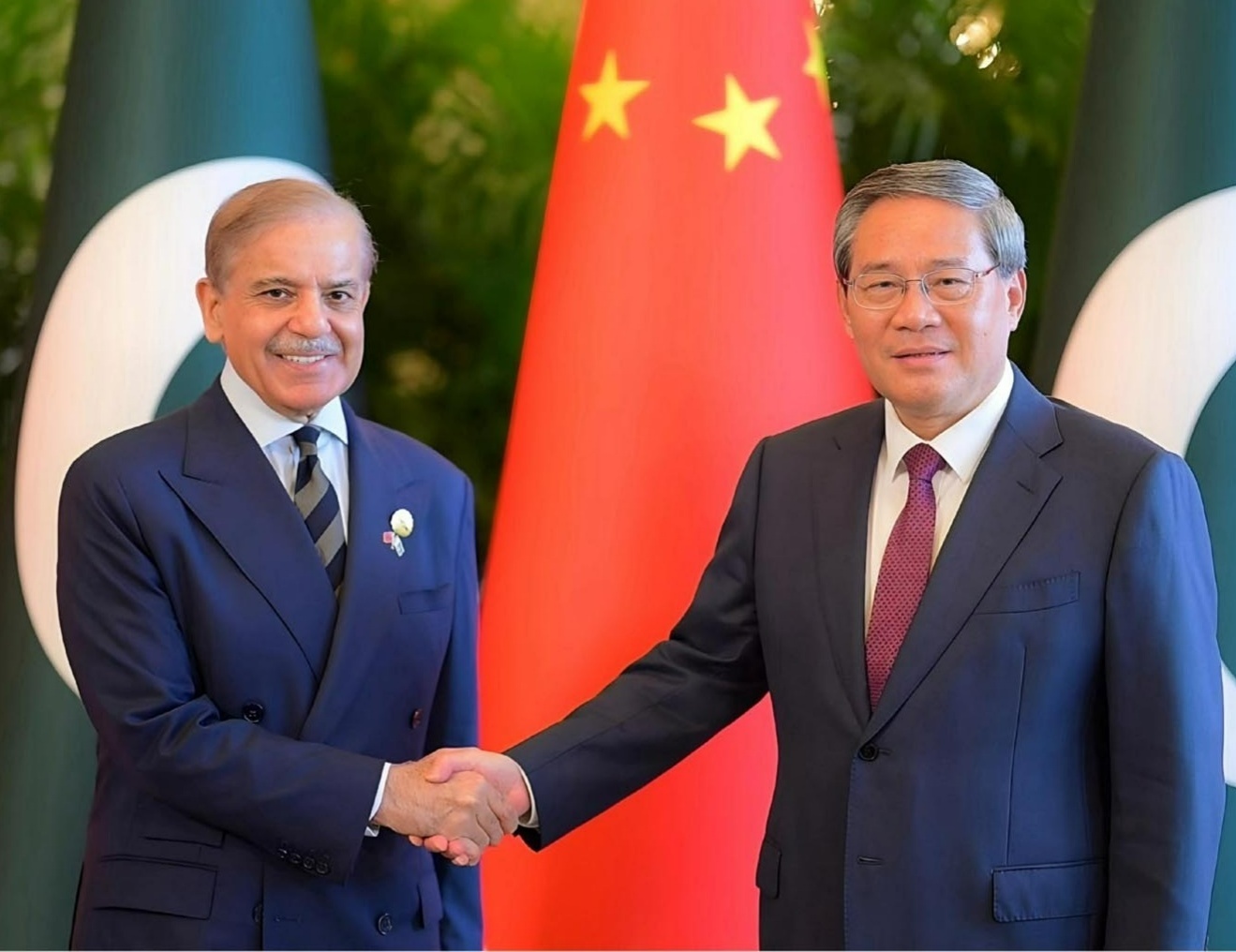
BEIJING/ISLAMABAD: Shehbaz Sharif will depart for China today on a three-day official visit at the invitation of Chinese Premier Li Qiang, as Islamabad and Beijing prepare to celebrate 75 years of diplomatic relations with renewed commitments to strategic cooperation and economic integration.
The visit, from May 23 to 26 , is expected to open a new chapter in the longstanding Pakistan-China partnership, widely regarded as one of the most enduring and trusted bilateral relationships in the region.
Speaking at a ceremony in Islamabad marking the anniversary of diplomatic ties, Prime Minister Shehbaz Sharif described China as Pakistan’s most steadfast friend.
“Earthquakes, floods, peace and difficult times — China has always supported Pakistan in an unwavering fashion,” the premier was quoted as saying.
Over the past 75 years, Pakistan and China have steadily expanded cooperation across diplomacy, defence, infrastructure, trade and regional connectivity. In 2015, both countries elevated their ties to an “all-weather strategic cooperative partnership,” followed by a commitment in 2018 to build a closer China-Pakistan community with a shared future in the new era.
According to the Chinese Foreign Ministry, Prime Minister Shehbaz Sharif will hold meetings with Chinese leadership during the visit, attend celebrations marking the 75th anniversary of diplomatic relations and visit Zhejiang province — one of China’s leading economic and technological hubs.
Chinese Foreign Ministry spokesperson Guo Jiakun described the trip as an important high-level exchange aimed at strengthening political mutual trust and deepening cooperation across multiple sectors.
“China hopes both sides will take the visit as an opportunity to carry forward traditional friendship, deepen cooperation across the board, and write a new chapter in building an even closer China-Pakistan community with a shared future,” Guo said.
Analysts view the Zhejiang leg of the visit as particularly significant, signaling Pakistan’s interest in attracting greater Chinese private-sector investment in manufacturing, technology and industrial cooperation.
Qian Feng said the visit indicated Islamabad’s desire to inject fresh momentum into bilateral economic collaboration by encouraging Chinese enterprises to expand operations in Pakistan.
At the center of bilateral economic ties remains the China-Pakistan Economic Corridor, launched in 2013 under China’s Belt and Road Initiative.
Chinese Ambassador Jiang Zaidong recently said CPEC had attracted over $25.9 billion in direct investment and created more than 260,000 jobs in Pakistan.
The project has also added over 8,000 megawatts of electricity to Pakistan’s national grid, developed hundreds of kilometers of roads and transmission infrastructure, and transformed Gwadar Port into a key regional trade hub.
Major projects under CPEC include the Suki Kinari Hydropower Project in Khyber Pakhtunkhwa, which generates 884 megawatts of clean energy while helping reduce dependence on coal-based power generation.
Pakistan’s Planning Minister Ahsan Iqbal has said CPEC significantly strengthened Pakistan’s energy security, connectivity and infrastructure while laying the foundation for a modern economic framework.
Both countries are now focused on advancing “CPEC 2.0” — the next phase of the corridor project — which aims to shift cooperation from infrastructure construction toward industrialization, innovation and sustainable economic growth.
During the seventh round of the China-Pakistan Foreign Ministers’ Strategic Dialogue earlier this year, both sides agreed to prioritize industry, agriculture and mining while improving Gwadar Port operations and strengthening the strategic Karakoram Highway corridor.
“CPEC is now entering the second phase, marking a strategic shift from infrastructure development to industrialization, innovation and inclusive growth,” Ahsan Iqbal said recently, expressing confidence that the upgraded corridor would become a symbol of prosperity, opportunity and regional connectivity.

The writer is Head of News at Pakistan Today. He has a special focus on current affairs, regional and global connectivity, and counterterrorism. He tweets as @mian_abrar and also can be reached at [email protected]
View all articles →Comments
No comments yet. Be the first to join the discussion!