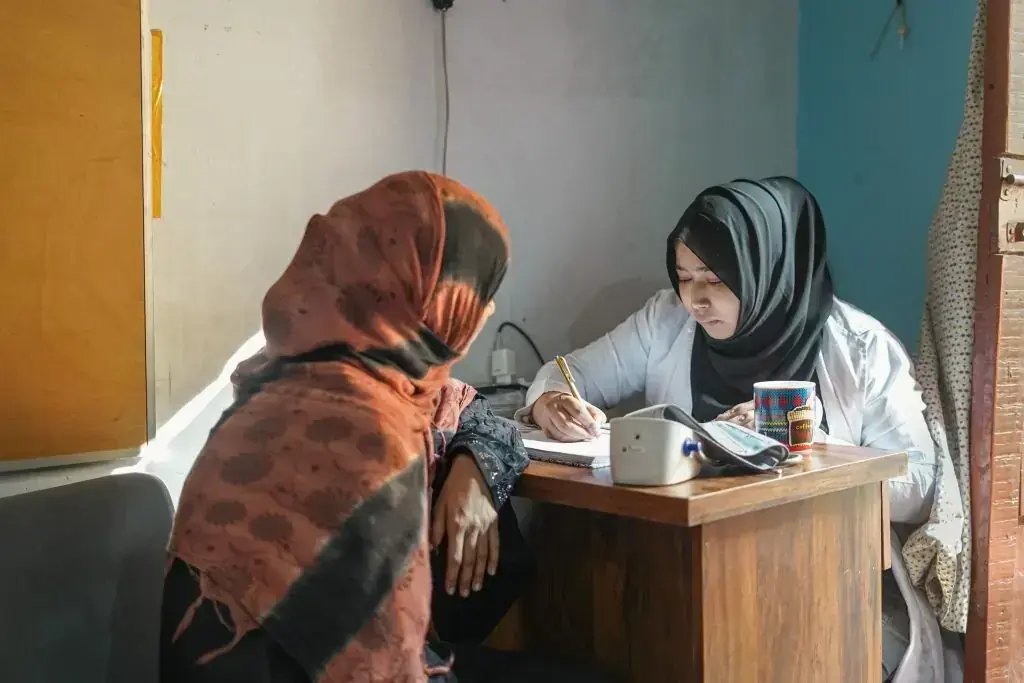
Pakistan emerges as ‘regional leader’ in obstetric fistula treatment, UNFPA says
UNFPA reports Pakistan is emerging as a regional leader in obstetric fistula care, training surgeons across South Asia and expanding treatment at Koohi Goth Hospital. Pakistan sees 4,000–5,000 cases annually.

UNFPA highlights Pakistan’s role in training South Asian surgeons on fistula care
Says 4,000–5,000 fistula cases reported annually in Pakistan, global burden around 500,000
Maternal mortality ratio stands at 186 per 100,000 live births, UNFPA data shows
Koohi Goth Hospital Karachi declared regional centre for fistula treatment and training
ISLAMABAD: Pakistan is emerging as a regional “leader” in the treatment and prevention of obstetric fistula, the United Nations Population Fund (UNFPA) said on Friday, highlighting its expanding efforts to train surgeons from across South Asia to address one of the world’s most severe childbirth-related injuries.
Obstetric fistula, caused by prolonged obstructed labour or surgical injury during childbirth, leaves women incontinent and often socially ostracised. While the condition has largely been eliminated in high-income countries, thousands of women in Pakistan continue to be affected each year due to gaps in maternal healthcare, unsafe surgical practices and limited access to skilled birth attendants.
Pakistan records an estimated 4,000 to 5,000 fistula cases annually, according to UNFPA and Pakistani health experts, while globally around 500,000 women and girls are believed to be living with the condition.
Maternal health remains a critical challenge in Pakistan, where the maternal mortality ratio stands at 186 deaths per 100,000 live births, according to UNFPA maternal health programme data.
“UNFPA Pakistan broke new ground to address this evolving crisis by establishing a Regional Center of Excellence for fistula care, training and innovation at Koohi Goth Hospital (KGH) Karachi, which has become both a national referral hub for fistula repair and a specialised training facility for surgeons,” UNFPA Pakistan Representative Luay Shabaneh said in a statement issued on the International Day to End Obstetric Fistula.
The statement said the centre has already hosted regional training programmes for surgeons from Bangladesh, Nepal and Afghanistan, positioning Pakistan as a “regional leader in fistula treatment and capacity-building.”
“For repairs, the centre is aiming to treat around 800 fistula survivors every year,” the statement added, noting that the programme also includes psychosocial support, literacy and vocational training for survivors to support reintegration.
The Karachi-based Koohi Goth Hospital has increasingly become central to Pakistan’s fistula response. UNFPA said the facility has trained thousands of healthcare workers and surgeons while expanding free treatment and rehabilitation services for women suffering from childbirth-related injuries.
However, Shabaneh warned that Pakistan was also facing a growing burden of surgically caused fistula, also known as iatrogenic fistula.
“In Pakistan, a staggering 70 per cent of fistula cases are caused by surgical injuries,” he said.
“These sobering figures demand urgent action to strengthen emergency obstetric care and improve the quality and safety of surgical services.”
According to UNFPA, Pakistan has conducted more than 5,000 competency-based trainings for healthcare providers and established a network of 23 specialised fistula surgeons, alongside trained nurses and anaesthetists.
The UN agency further noted that untreated fistula carries a significant economic burden, as affected women are often unable to work or participate fully in society.
“The cost of untreated fistula, measured in lost productivity alone, is estimated globally at nearly $691 million each year,” Shabaneh said.
“Every repaired fistula restores not only a woman’s health, but also her dignity, confidence, social connections and future.”
Comments
No comments yet. Be the first to join the discussion!