Multiple sclerosis treatment aid hangs in balance
Hundreds of multiple sclerosis patients in Punjab are facing uncertainty over continued treatment funding under the provincial healthcare system. Doctors warn that interruptions in costly long-term therapy could increase the risk of irreversible disability.

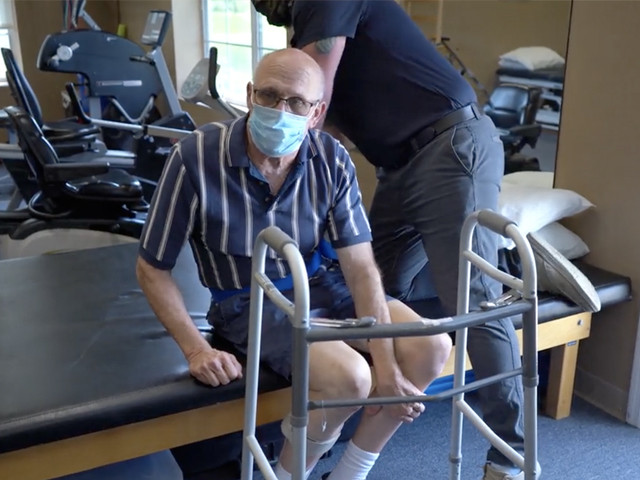
LAHORE: Hundreds of people living with multiple sclerosis (MS) in Punjab are confronting uncertainty over whether financial support for their treatment will continue under the provincial healthcare system, according to medical professionals.
Neurologists have warned that any interruption in assistance for MS treatment could leave many patients at risk of disability, as the chronic neurological condition requires continuous and costly long-term care. The disease affects the central nervous system and can impair movement, balance, vision, speech and muscle control.
Doctors say MS most commonly affects people between the ages of 20 and 40, with women making up most cases. Estimates by the Multiple Sclerosis International Federation put the global number of people living with the disease at nearly 2.9 million.
In Pakistan, neurologists estimate that between 12,000 and 14,000 people have been diagnosed with MS. Experts, however, believe the true figure may be higher because the country does not have a national patient registry and disease surveillance remains weak.
High treatment costs
Healthcare professionals say patients in Punjab are particularly exposed because the cost of treatment is out of reach for many middle- and low-income households. Disease-modifying therapies, which are regarded as essential for slowing the disease’s progression and reducing relapses, can cost as much as Rs1 million per patient each year.
Many patients rely on financial assistance available through the provincial health insurance system, including coverage that had previously been provided under the Sehat Card programme. But doctors say the annual ceiling of about Rs400,000 is not enough to meet the full cost of medicines, MRI scans, neurological consultations, rehabilitation and emergency treatment.
Medical experts have expressed concern that Punjab’s gradual shift away from broader health insurance arrangements toward disease-specific initiatives could leave MS patients in an uncertain position.
Concerns over delays and supply disruptions
Several patients and caregivers have voiced concern that delays in approvals, breaks in medicine supply and uncertainty over future coverage are already disrupting treatment schedules. Neurologists say interruptions in therapy can lead to relapses.
"MS is not a disease for which patients can pause treatment and wait for policy decisions, said Dr Sara Khalid, a neurologist. Every missed dose increases the risk of neurological deterioration that may never be reversed," she said.
Health experts say chronic neurological disorders often receive less policy attention in the provincial healthcare system than infectious diseases and emergency programmes.
The concerns come as doctors continue to stress that uninterrupted treatment is critical for managing MS and limiting long-term disability among patients who depend on sustained access to medicines and specialist care.
Comments
No comments yet. Be the first to join the discussion!