Jury rules against Elon Musk in lawsuit against OpenAI
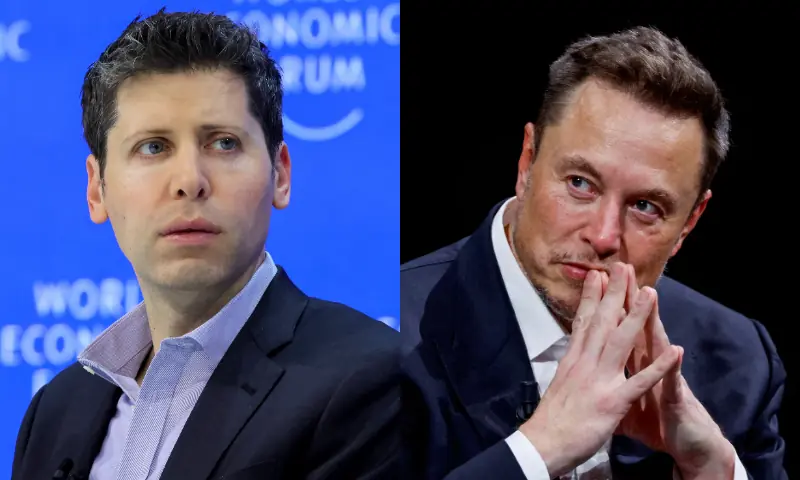
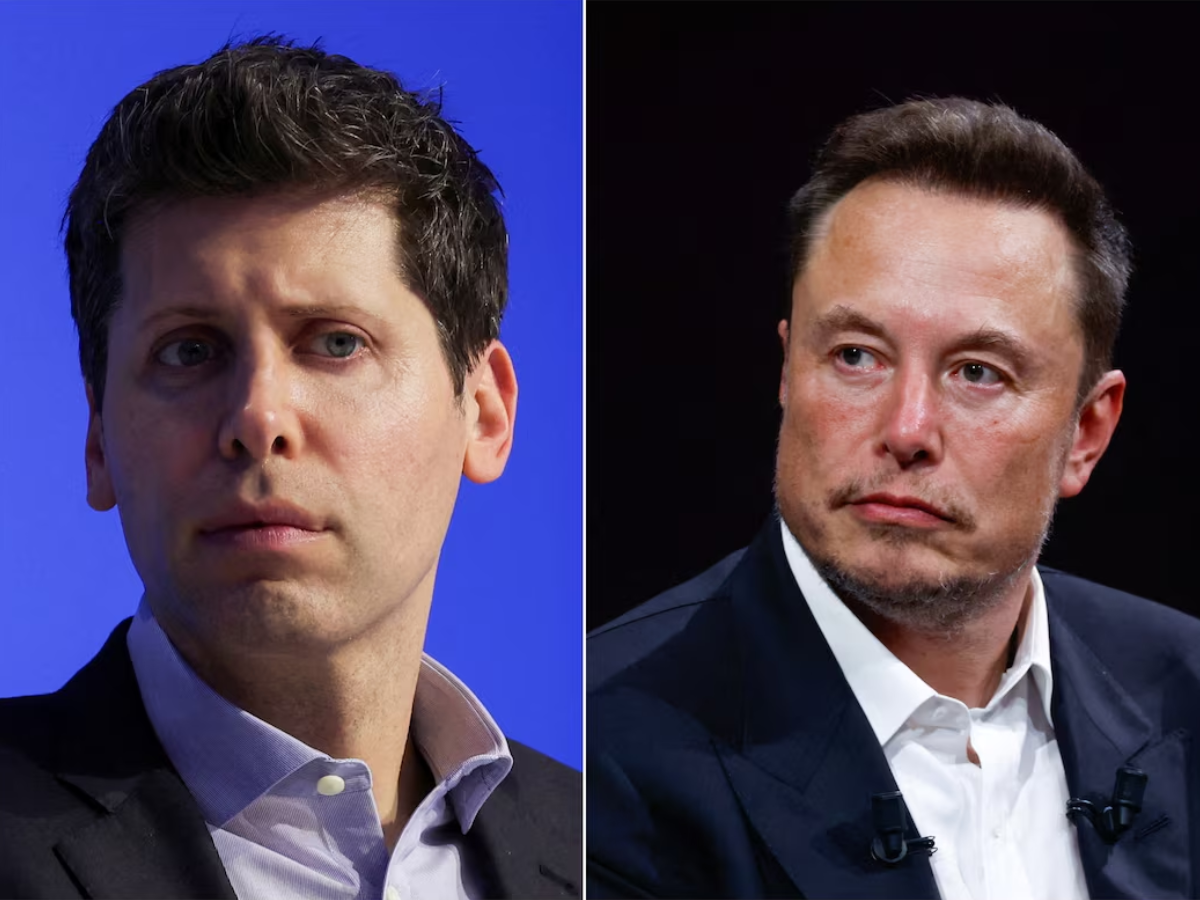
A US jury in Oakland ruled against Elon Musk in his lawsuit against OpenAI, saying he brought the case too late. The closely watched trial focused on whether OpenAI had moved away from its original nonprofit mission.


OAKLAND: A US jury on Monday found against Elon Musk in his lawsuit against OpenAI, concluding that the artificial intelligence company was not liable over claims that it had departed from its original mission of benefiting humanity.
The unanimous verdict in federal court in Oakland, California, held that Musk had filed the case too late. According to the reports, the jury deliberated for less than two hours before reaching its decision.
The case had been closely watched as a significant test for the future direction of OpenAI and the broader artificial intelligence sector, including questions over how the technology should be used and who should benefit from it financially. The trial began on April 28 and the verdict came after 11 days of testimony and arguments.
Claims and defence
In the lawsuit filed in 2024, Musk accused OpenAI, Chief Executive Sam Altman and President Greg Brockman of inducing him to contribute $38 million and then later moving away from the organisation’s original nonprofit purpose by attaching a for-profit business to it and taking tens of billions of dollars from Microsoft and other investors.
Musk described the conduct of the OpenAI defendants as stealing a charity. He also alleged that OpenAI had sought to benefit investors and insiders at the expense of the nonprofit and had failed to give sufficient priority to AI safety. In addition, he argued that Microsoft knew OpenAI was more focused on money than altruism.
OpenAI, in response, argued that Musk himself was motivated by financial interests and that he had waited too long to bring a claim that the company had violated its founding agreement to develop safe artificial intelligence for the benefit of humanity.
Arguments in court
During closing arguments, Musk’s lawyer Steven Molo told jurors that several witnesses had challenged Altman’s truthfulness, while Musk himself did not give an unqualified yes when asked during the trial whether he was completely trustworthy.
Molo said Altman’s credibility was central to the case.
“Sam Altman’s credibility is directly at issue,” Molo said. “If you don’t believe him, they cannot win.”
OpenAI’s lawyer William Savitt rejected Musk’s case in his own closing argument.
“Mr. Musk may have the Midas touch in some areas, but not in AI,” William Savitt, a lawyer for OpenAI, said in his closing argument.
After the verdict, Musk’s lawyer said he reserved the right to appeal. However, US District Judge Yvonne Gonzalez Rogers indicated that such an effort could face difficulty because the question of whether the statute of limitations had expired before Musk sued was a factual matter. The judge said there was substantial evidence supporting the jury’s finding and added that she had been prepared to dismiss the case immediately.
Background to the dispute
OpenAI was founded in 2015 by Altman, Musk and others. Musk left its board in 2018, and the company established a for-profit business the following year.
The reports said artificial intelligence is used in areas including education, facial recognition, financial advice, journalism, legal research and medical diagnoses, while also being associated with harmful deep-fakes. They added that many people remain wary of the technology and fear it could replace workers.
OpenAI competes with companies including Anthropic and xAI, and is preparing for a possible initial public offering that could value it at $1 trillion. A Microsoft executive testified that the company has spent more than $100 billion on its partnership with OpenAI. Musk’s xAI is now part of his space and rocket company SpaceX, which is also preparing an IPO that could be larger than OpenAI’s.
Comments
No comments yet. Be the first to join the discussion!