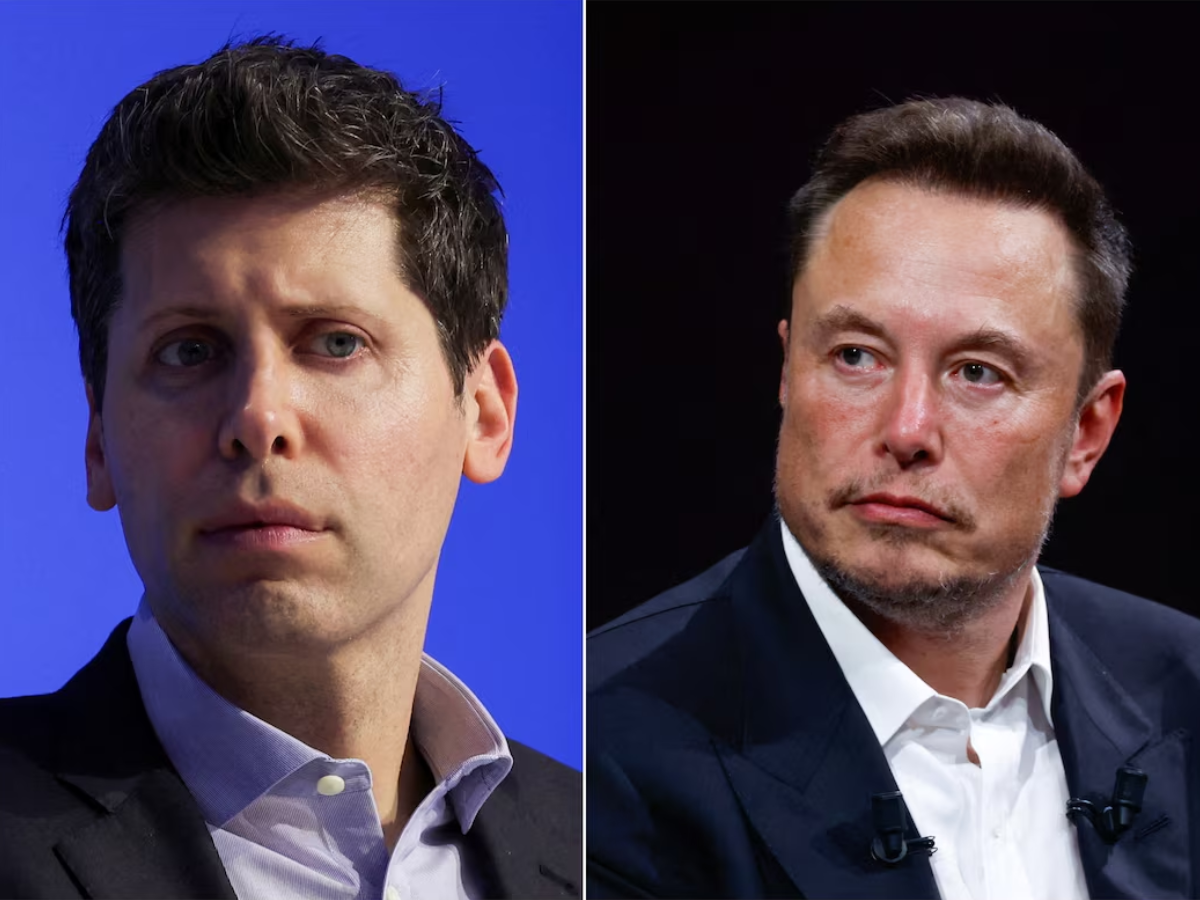
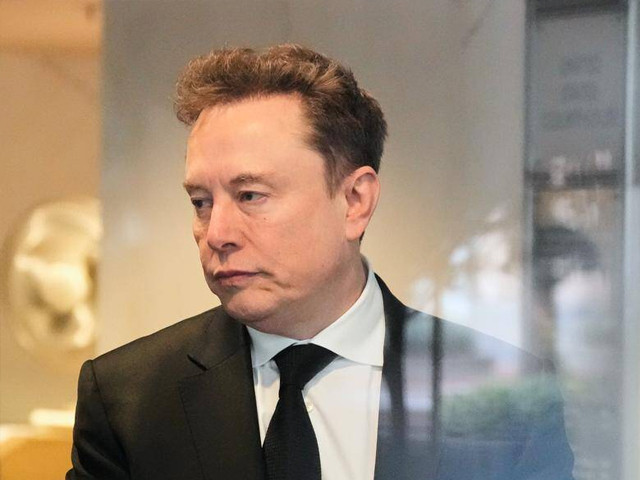
Elon Musk and OpenAI head to jury trial over nonprofit mission dispute
Jury selection begins Monday in Elon Musk’s lawsuit against OpenAI over claims the company abandoned its nonprofit mission. The case also highlights a wider debate over who should benefit from AI development.

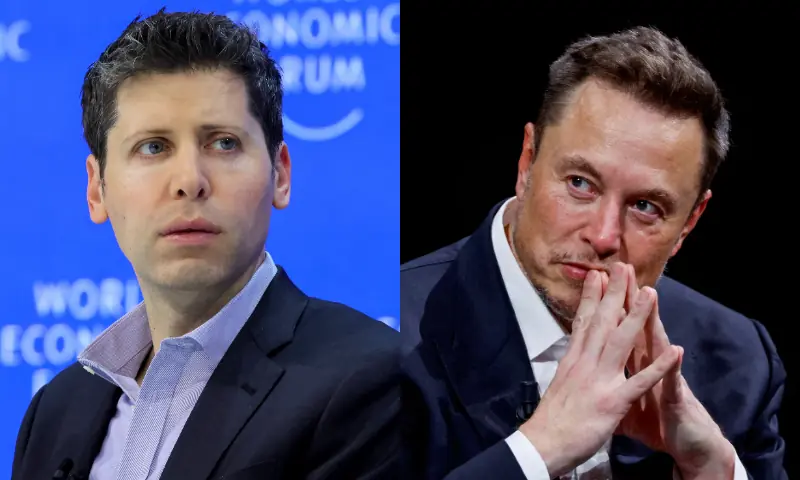
WASHINGTON: Jury selection is set to begin on Monday in a closely watched legal fight between billionaire Elon Musk and artificial intelligence startup OpenAI, which Musk has accused of abandoning the nonprofit purpose on which it was founded.
The case, being heard in a courtroom across the bay from San Francisco, places Musk against a company he once supported and now competes with in the rapidly expanding AI industry. OpenAI’s ChatGPT is a major competitor to Grok, the chatbot developed by Musk’s xAI lab.
Beyond the personal dispute between Musk and OpenAI chief executive Sam Altman, the lawsuit has also drawn attention to a broader question: whether artificial intelligence should serve a small group of powerful interests or society more broadly.
Court filings show that Altman sought to persuade Musk in 2015 to support OpenAI as a co-founder of a nonprofit research lab whose technology “would belong to the world”. Musk contributed about $38 million to the lab before departing.
OpenAI is now valued at $852 billion, with Microsoft among its backers, and is preparing for a stock market listing. The judge overseeing the case wants a jury to decide by late May whether OpenAI violated commitments made to Musk in its push to become a leading AI company, or whether it simply capitalised effectively on the technology.
Musk’s claims and OpenAI’s response
Musk argues in his lawsuit that he was misled about OpenAI’s original charitable mission. He points to a 2017 email from Altman stating that he remained “enthusiastic about the non-profit structure” of the AI venture after Musk had threatened to stop funding the lab.
Only months later, however, OpenAI created a commercial subsidiary, citing the need to invest hundreds of billions of dollars in data centres required to support its technology. Over the next two years, Microsoft invested billions of dollars in OpenAI, and the value of the company’s stake is now about $135bn. Microsoft chief executive Satya Nadella is among those expected to testify during the trial.
Musk’s lawsuit seeks to force OpenAI to return to a fully nonprofit structure. It also calls for the removal of Altman and OpenAI co-founder and president Greg Brockman. In addition, Musk is seeking up to $134bn in damages and wants the court to order OpenAI to cut its ties with Microsoft.
During pre-trial proceedings, US Judge Yvonne Gonzalez Rogers remarked that Musk’s team appeared to be “pulling numbers out of the air” in calculating damages. If the jury rules in Musk’s favour, Rogers will decide what remedies or financial award, if any, should follow.
OpenAI has described the case as a public relations exercise. Musk has said that any damages awarded would be directed to the startup’s nonprofit foundation.
Internal tensions and governance questions
Internal OpenAI communications disclosed through the lawsuit have highlighted strains within the company that culminated in Altman’s temporary removal as chief executive in late 2023.
Musk’s lawyers pointed to a 2017 entry in Brockman’s personal journal that said it would be dishonest if Altman publicly maintained that OpenAI would remain a nonprofit and then turned it into a corporation shortly afterward.
OpenAI currently operates under a hybrid governance model in which its nonprofit foundation controls a for-profit arm. In court filings, the company argued that its split with Musk stemmed not from disagreement over nonprofit principles, but from what it described as his desire for total control.
“This case has always been about Elon generating more power and more money for what he wants,” OpenAI said in a post on X, the social media platform owned by Musk.
“His lawsuit remains nothing more than a harassment campaign that’s driven by ego, jealousy and a desire to slow down a competitor.
The company also noted that shortly after Musk entered the AI race in 2023, he called for a six-month pause in the development of advanced artificial intelligence.
Comments
No comments yet. Be the first to join the discussion!