Tobacco exports fall by $30m amid global surplus, weaker demand
Pakistan’s tobacco exports fell to $114 million in July-March FY26 from $144 million a year earlier, according to sources in tobacco companies. They cited a global surplus, weaker Middle East demand and regional tensions as key factors behind the decline.

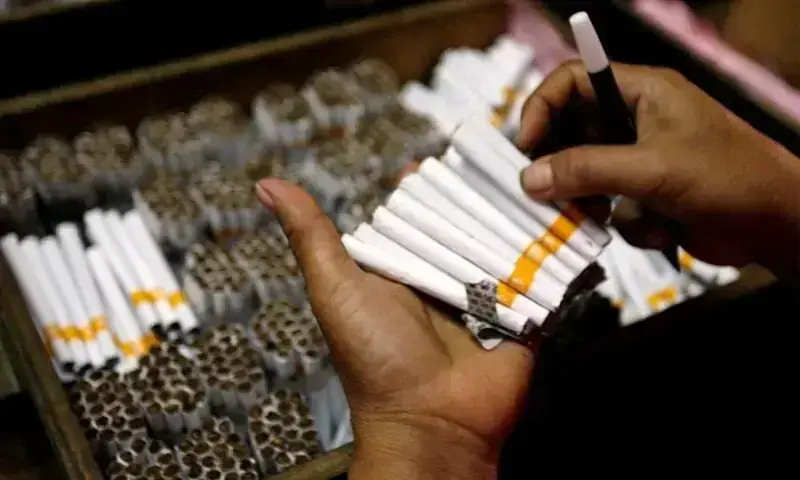
SWABI: Pakistan’s tobacco exports declined by $30 million during July 2025 to March 2026 compared to the same period a year earlier, as a glut in the international market and weaker demand from key destinations weighed on shipments, in tobacco companies.
The sources said tobacco exports stood at $114 million in the first nine months of FY26, down from $144 million in July-March FY25. They said exports had earlier been expected to increase further, but the trend had reversed, creating concern for growers, companies and the federal government.
They added that, given the prevailing uncertainty in the international market, the outlook for improvement remained weak in the remaining three months of the current fiscal year.
Global surplus and regional tensions
According to the sources, around 160 million kilograms of tobacco is currently surplus in the international market, which has reduced Pakistan’s export prospects, particularly in the Middle East, described as its main market. They also said the ongoing US-Israel war on Iran had adversely affected tobacco exports.
The total announced requirement of companies for the current year is 61.627 million kilograms, compared to 74.810 million kilograms in 2025, showing a reduction of 13.183 million kilograms.
On the issue of surplus tobacco, officials of multinational companies, speaking on condition of anonymity, said the excess crop was expected to cross 120 million kilograms this year. The sources said companies, small cigarette manufacturers and the tobacco business community had stated that they would not buy the surplus crop.
Leading growers, however, believe the surplus may exceed 120 million kilograms because companies have reduced purchase agreements with farmers, while growers without agreements have continued cultivation instead of leaving the crop.
The sources said Pakistan Tobacco Company has ended agreements with 3,500 farmers, while several other companies have also withdrawn contracts. They added that growers without agreements continued cultivation despite warnings from the Pakistan Tobacco Board and Pakistan Tobacco Company.
Last year’s surplus and official response
In 2025, total surplus tobacco stood at 140 million kilograms. The sources said that when companies completed their announced quota and stopped procurement, protests broke out in tobacco-growing districts of Khyber Pakhtunkhwa. They said the government then worked out a new arrangement under which buyers were directed to purchase crop from growers and a surplus quota was announced.
Under that arrangement, the Pakistan Tobacco Company was assigned a surplus quota of 26 million kilograms, but, according to the sources, it bought 39 million kilograms. Philip Morris was given a quota of 20 million kilograms and purchased about 29 million kilograms, they added.
The remaining 72 million kilograms of surplus crop was bought by small cigarette manufacturers and tobacco traders at low prices from growers, the sources said.
Business community protest
Meanwhile, the tobacco business community and small cigarette manufacturers have continued protests in Swabi district against what they called the 'victimisation policy' of the Federal Board of Revenue.
They have held several gatherings and demanded the withdrawal of law enforcement personnel posted at tobacco green leaf threshing units, an end to Federal Board of Revenue raids and what they described as harassment of businessmen, withdrawal of 'unjust taxes', restoration of the previous year’s tobacco quota, and a better working environment so growers can produce quality crops.
Comments
No comments yet. Be the first to join the discussion!