Israeli strikes continue in southern Lebanon despite 'extended truce'
Israeli air strikes hit several villages in southern Lebanon despite a 45-day extension of the ceasefire. Lebanese authorities reported fresh displacement, while residents questioned the value of the truce.

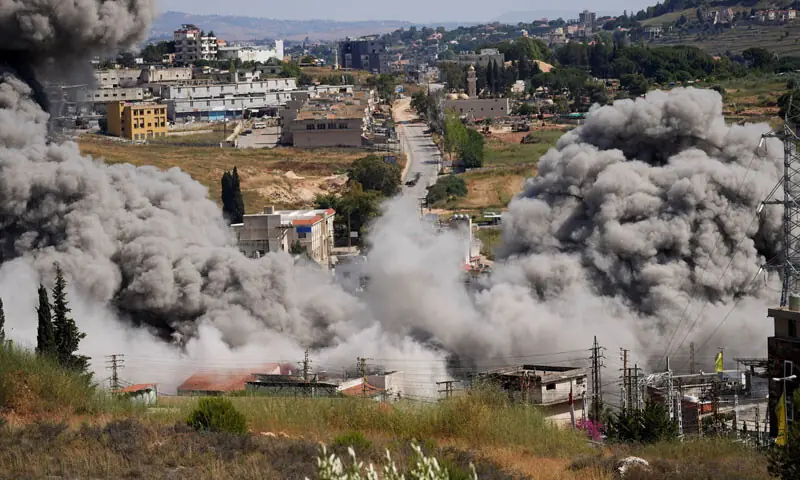
BEIRUT: Israeli air strikes hit several areas in southern Lebanon on Saturday, a day after Israel and Lebanon agreed to extend a fragile ceasefire by 45 days, according to reports from Lebanon’s state-run National News Agency and statements cited in the latest developments.
The strikes targeted at least five villages in the south and triggered another movement of residents towards northern areas, including Sidon and Beirut, the NNA reported. The Israeli military had issued evacuation warnings for nine villages before the attacks. One of the struck villages was more than 50 kilometres from the border, while at least one town near Nabatieh was hit despite not being included in the warning.
The latest attacks added to doubts among displaced civilians about the value of the ceasefire, which began on April 17 and was extended following negotiations in Washington between Israeli and Lebanese envoys. The talks came after the first direct talks in decades between the two countries last month. Israel and Lebanon do not have diplomatic relations.
Israel has said it is targeting Hezbollah positions. The scope of the strikes has widened in recent weeks, reaching areas north of the Litani River and locations farther from the border. Since the truce took effect, the Israeli military has repeatedly issued evacuation warnings ahead of attacks, adding to the humanitarian strain in southern Lebanon.
Despite the ceasefire, Israeli strikes have continued in Lebanon and Israeli forces remain in territory near the border. Hezbollah, for its part, has continued to announce attacks on northern Israel and on Israeli troops inside southern Lebanon. On Saturday, the group said it had attacked Israeli troops in the Lebanese town of Khiam, saying the action was in response to Israeli ceasefire violations and attacks on villages in the south.
Lebanese authorities say Israeli attacks since the war began have killed more than 2,900 people in Lebanon, including more than 400 since the truce came into force. Israel has reported 19 soldiers killed in southern Lebanon since the fighting started.
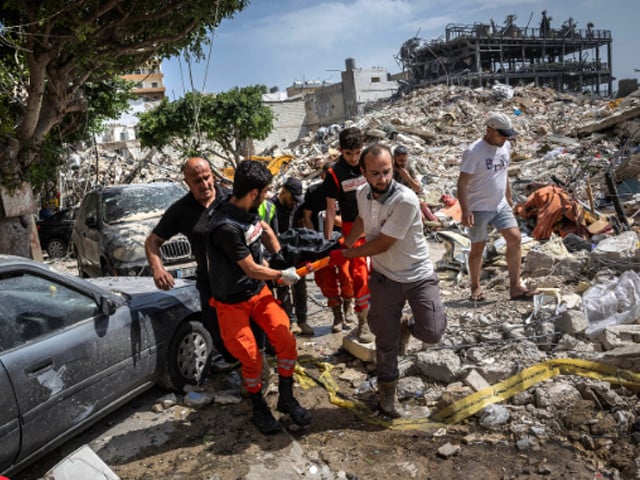
On Friday, an Israeli strike hit the centre of the Islamic Health Committee in Harouf, authorities said. Lebanon’s health ministry said six people were killed, including three paramedics.
Another Israeli strike on Friday hit the southern city of Tyre. An AFP correspondent at the scene reported heavy destruction near the city’s ancient ruins.
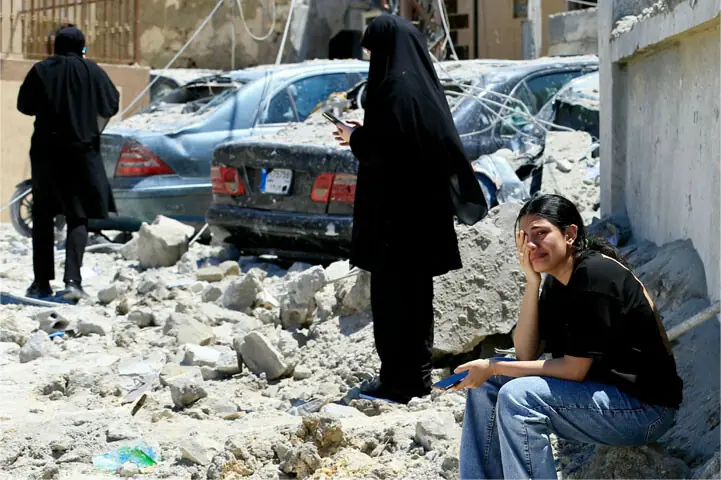
"This is not a truce as long as Israeli attacks continue against the south and its people, with deaths, injuries, and destruction," said Ali Salameh, 60, speaking from a school in Beirut where he has been displaced since the war began on March 2.
"What kind of a truce is this when they have just threatened villages and people are being displaced? Where is the state? We stand only with the resistance," said Nawal Mezhir, who is also displaced from the south.
In contrast, Lebanon’s negotiating delegation in Washington welcomed the extension on Friday and the establishment of a US-facilitated security track. The delegation said the agreements provide critical breathing space for our citizens, reinforce state institutions, and advance a political pathway toward lasting stability.
Lebanon was drawn into the wider Middle East war on March 2 after Hezbollah fired rockets at Israel in retaliation for the killing of Iran’s supreme leader, Ali Khamenei.
"They destroyed the entire neighbourhood, said Ibrahim Kahwaji," a tailor wounded in the leg in Tyre. "They are emptying the south of its population… it’s a real occupation. We want a solution."
Ceasefire under strain
The latest violence underscored the fragility of the truce despite the latest extension. While Lebanese officials involved in the Washington talks presented the agreement as a step towards stability, continued strikes, evacuation warnings and fresh displacement highlighted the gap between the diplomatic track and conditions on the ground.
Comments
No comments yet. Be the first to join the discussion!