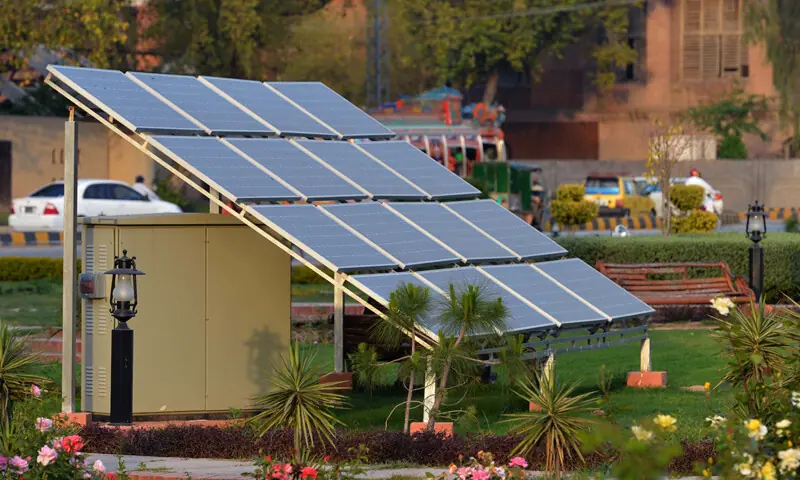
Renewable energy stakeholders seek lower tax on lithium battery cells
Renewable energy stakeholders have asked the Engineering Development Board to reduce the 50pc tax on lithium battery cells. They say the current duty discourages local assembly, keeps prices high and slows the shift to cleaner energy.

ISLAMABAD: Stakeholders in Pakistan’s renewable energy sector have urged the Engineering Development Board to reduce taxes on lithium battery cells, saying the current duty structure is hindering domestic production and slowing the shift toward cleaner energy, according to a statement issued on Friday.
Pakistan Renewable Energy Development Forum Chairman Irfan Allahawala said lithium battery cells are currently taxed at 50 per cent, a rate he said is discouraging local battery assembly. He said the high tax burden is keeping battery prices high and creating an obstacle to the wider adoption of renewable energy solutions in the country.
Allahawala called for what he described as a level playing field to help attract investment into local manufacturing. He said easing the tax burden on battery cells would support the development of domestic assembly capacity and encourage investors to enter the sector.
Industry calls for support to local assembly
According to the statement, the renewable energy sector believes lower taxes on lithium battery cells would make battery systems more affordable and strengthen the economics of clean energy deployment. The issue is particularly significant as battery storage remains an important component for solar energy use.
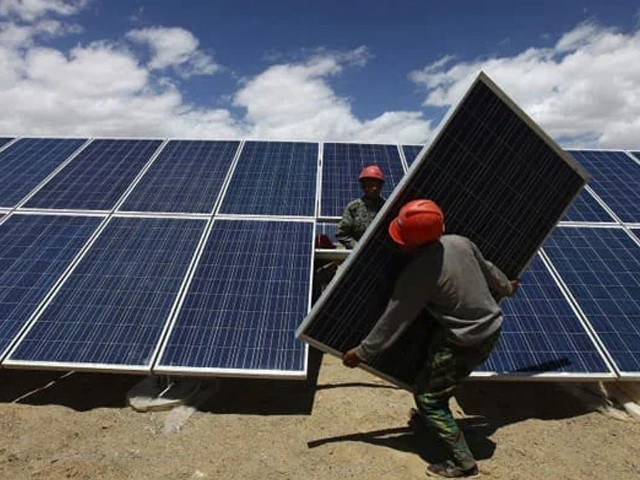
Allahawala said Pakistan imported 26,000 megawatts of solar panels during 2022-2024, adding that all of them require batteries. He also said lithium-ion battery imports reached 1.25 gigawatt-hours in 2024 and are expected to rise to between 2.5 and 3 gigawatt-hours in 2025.
The figures cited by the forum underscore the growing scale of demand for battery storage in the country’s renewable energy market. Sector representatives argue that without changes in the tax regime, local assembly may remain uncompetitive compared to imported finished products, limiting the growth of domestic manufacturing.
Allahawala further said that reducing taxes would help cut dependence on imported petroleum products and lower the country’s import bill. The statement said the proposed tax relief is being presented as a measure that could support both industrial development and broader energy transition goals.
The demand was made to the Engineering Development Board as renewable energy stakeholders pressed for policy support aimed at expanding local value addition in the battery segment. The sector maintains that tax rationalisation on lithium battery cells would help create conditions more favourable for investment, local production and wider use of green energy technologies in Pakistan.
Comments
No comments yet. Be the first to join the discussion!