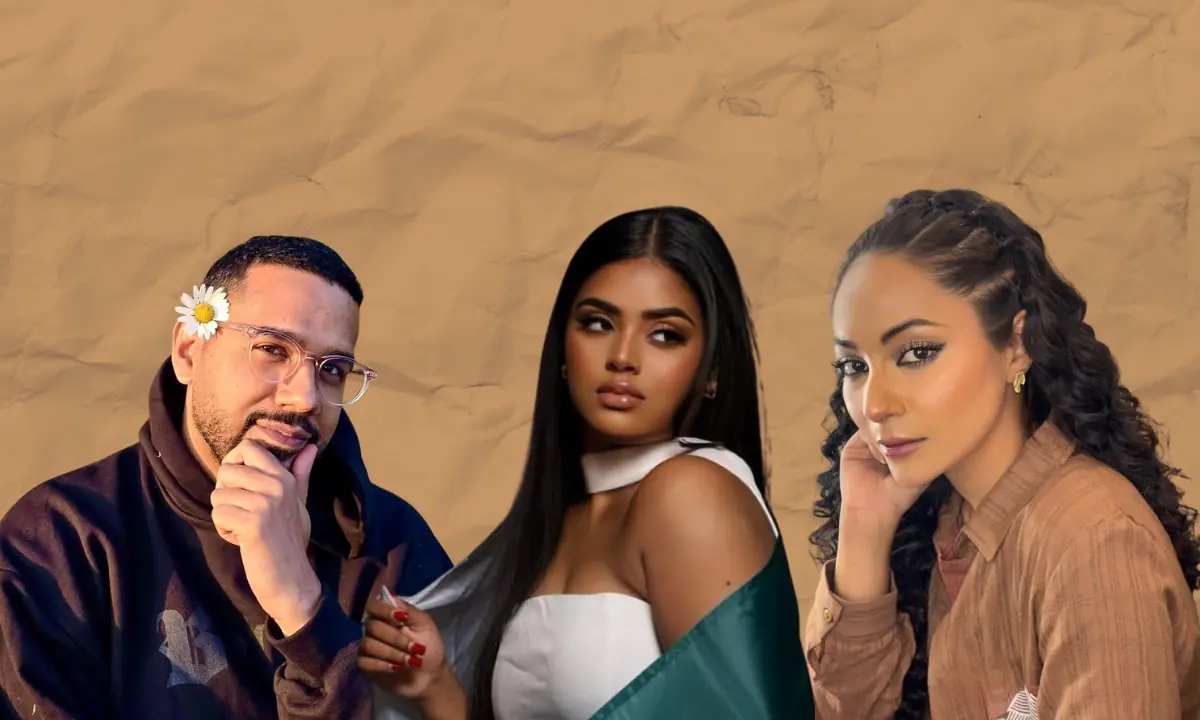
Ishrat Fatima opens up about childhood trauma linked to complexion, biggest regret
Ishrat Fatima speaks on Podcastan with Tauseeq Haider about childhood insecurity linked to complexion, gratitude over pride, and a lifelong regret connected to her daughter.


Former broadcaster Ishrat Fatima appeared on Podcastan with veteran actor Tauseeq Haider in a deeply emotional conversation centred on complexion, childhood insecurity, and a lifelong regret that she says still weighs heavily on her heart.
At the start of the discussion, Tauseeq Haider referred to long-circulated accounts of her childhood struggles, asking: “Hum ny suna hai ky ap bachpan mein roti thi or ehtijaj krti thi Allah sy apny kaaly raang py, ap kehti thi ky mein gila krti hu Khuda sy.”
Ishrat Fatima acknowledged the memory without hesitation, responding softly: “Waqai krti thi.”
As the conversation moved forward, she was asked whether she now feels pride in how she sees herself today or still carries those emotions from the past. She drew a clear distinction between pride and gratitude, saying: “Nhi fakhar nhi hai, fakhar boht bari cheez hai, mein shukar aadah krti hoon.” Her reflection made it clear that acceptance, for her, came much later in life and through personal healing rather than pride.
She also spoke about how her husband Saqib played a crucial role in rebuilding her confidence over the years. Describing her simple, everyday approach to appearance, she said: “Iss ki Wajah ye hai ky Saqib ny mujy boht hosla dia hai,” adding, “mein apko milti hu jab Zindagi mein to mein face dhoti hoon, ek lipstick lgati hoon or ek kajal. Ye mera total makeup hota hai.”
However, the most painful and defining moment of the interview came when she spoke about her daughter — and the regret she continues to carry tied to complexion and early perceptions.
She recalled the moment her daughter was born, saying: “Meri pehli beti thi wo foot ho gai thi,” and revealed the first question she asked at that time: “jab wo paida hoi thi to meri behan meri pass khari hoi thi, to mein ny us sy sab sy pehly poocha ky uska rang kaisa hai, ye mera pehla sawal tha.”
That memory, she shared, has never left her. Even today, she says she lives with deep remorse and continues to seek forgiveness when visiting her daughter’s grave: “Mein ab bhi jab qabristan jati hoon, uski kabar py to mein us sy mafian hi maangti hoon, ky shayad mein tumahri achi maa nhi thi is liye Allah ny wapis ly lia.”
The conversation grew visibly heavy in the studio as she spoke, with Tauseeq Haider left emotional and silent at moments during her account.
She ended her reflection by turning to a wider societal concern, pointing to how judgment and cruelty over appearance still persist. “Pata nhi hamary muashry mein boht kuch is trha ki cheezain hain joky nahin honi chahiye. Loug dil dukhaty hain, loug hassi uraty hain,” she said, adding that it often feels like empathy has been lost in everyday behaviour.
The interview concluded in a heavy silence — underscoring a story shaped by complexion-based insecurity, profound personal loss, and a regret she continues to carry into the present.
Comments
No comments yet. Be the first to join the discussion!