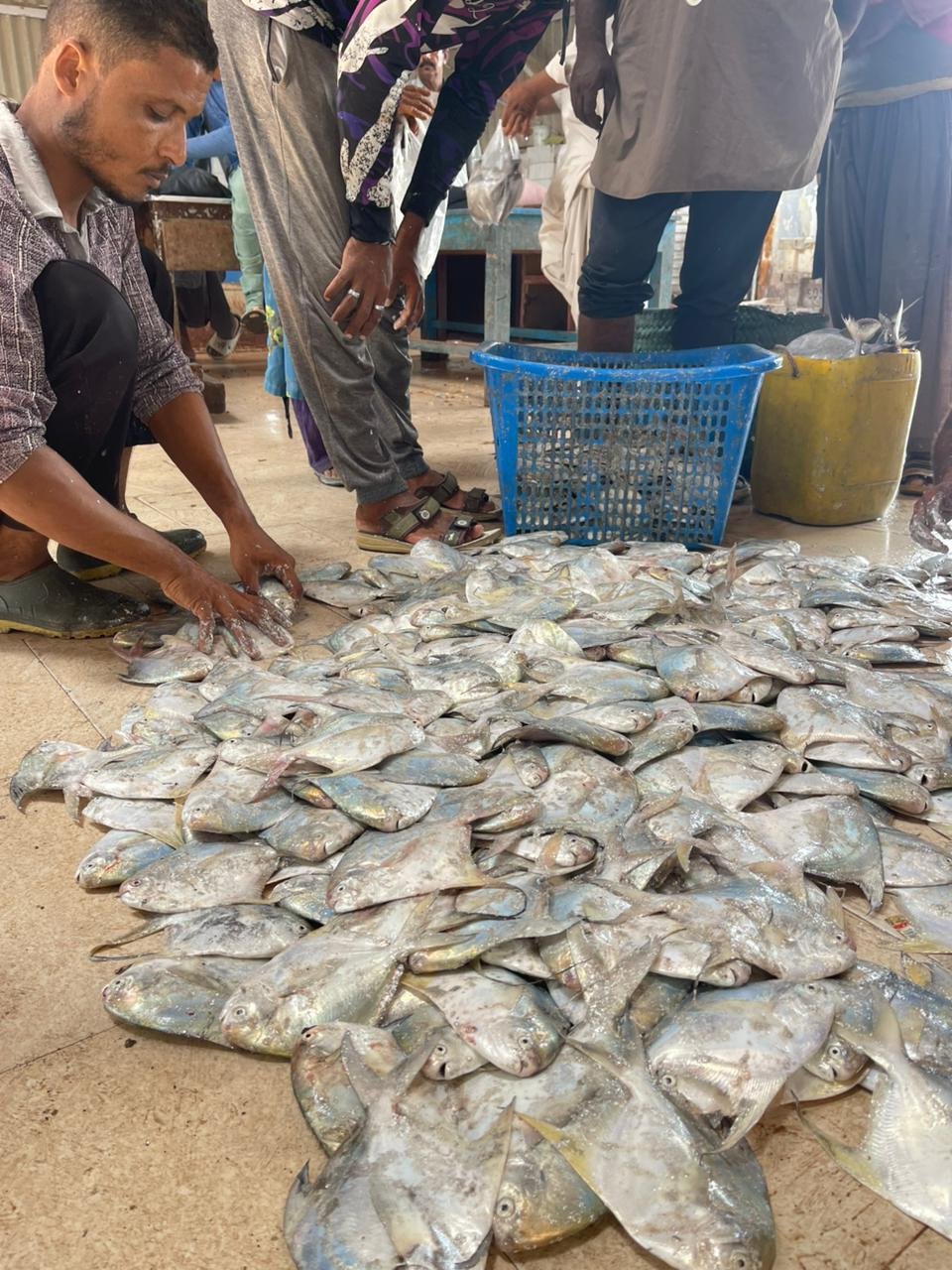
Stagnation at sea, opportunity on land
Pakistan’s fisheries face stagnation, low export prices, and declining marine stocks. A new shrimp farming push in Punjab and fresh export approvals could unlock aquaculture-led growth.

Why Pakistan Must Turn to Aquaculture Now
Pakistan’s fisheries sector has long stood at the edge of promise, rich in resources yet constrained by inertia. With a coastline stretching 1001 km and vast inland water systems, the country should have emerged as a regional seafood leader.
Instead, it remains far behind its competitors caught in a cycle of low productivity and missed opportunity. The contrast becomes sharper when viewed through numbers. Pakistan’s seafood exports stand at roughly $489 million annually, while countries like Vietnam and India have built industries worth $7.2 billion and $6.1 billion respectively, a gap that reflects not just scale but strategy.
What makes this disparity more concerning is the declining value of Pakistan’s exports. The average export price has dropped to nearly $2.01 per kilogram indicating that the country is competing in low value markets while others dominate premium segments. At the same time domestic consumption remains strikingly low at around 2 kg per person annually compared to the global average of 20.5 kg, highlighting both a nutritional gap and a market failure. These figures together paint a picture of a sector that is underperforming both at home and abroad.
For decades, Pakistan has relied heavily on marine capture fisheries, extracting from the sea without investing in sustainability. The consequences are now evident. Scientific assessments indicate that 60 to 90 percent of marine fish stocks are either fully exploited or overexploited, forcing fishermen to travel farther and spend more time at sea for diminishing returns. Production itself has stagnated, increasing only marginally from around 803,000 tonnes in 2019–20 to about 847,000 tonnes in 2024–25, a growth that barely keeps pace with population needs.
Yet even within this stagnation, new signals of change are emerging. In Punjab, a development that would have seemed unlikely just a few years ago is beginning to take shape. On nearly 500 acres of barren land in Sargodha, the provincial government has initiated a shrimp farming project that could redefine inland aquaculture in Pakistan. Out of 126 planned ponds, 118 have already been excavated, while 116 tube wells have been installed to support water supply. The project aims to integrate modern facilities, including cold storage, creating a complete value chain where none previously existed. In this situation where aquaculture contributes less than half of total fish production, such initiatives carry the potential to shift the entire growth model.
This shift becomes even more critical when placed in a global context. Today, aquaculture accounts for more than 50 percent of global fish production and in leading countries like Vietnam, it contributes nearly 65 percent of total output driving exports worth billions. Pakistan by contrast has yet to fully embrace this transition, leaving vast areas like the Indus Delta underutilized despite their ecological suitability.
For too long, Pakistan’s fisheries sector has operated below its potential, constrained by outdated practices and limited vision. The numbers tell a story of stagnation, but they also point toward what is possible. With the right combination of policy, investment and scientific management, aquaculture could transform the sector into a major driver of economic growth. The resources are there, the markets are emerging and the initial steps have been taken. What remains is the will to follow through.
At the same time developments on the export front are opening new possibilities. Russia’s recent approval of 16 Pakistani seafood processing plants has created access to a potential $300 million market, marking Pakistan’s entry into a new trading corridor. With total seafood exports currently around $500 million, this single market could increase export potential by more than 50 percent if fully utilized. More importantly, it offers a gateway to Central Asian markets, reducing dependence on traditional buyers such as China and Gulf countries.
However, these opportunities come with conditions. Expanding into high-value and new markets requires consistent quality, traceability and compliance with international standards areas where Pakistan has historically struggled. Post-harvest losses alone are estimated at 15 to 20 percent largely due to poor handling, inadequate cold storage and outdated processing systems. Without addressing these inefficiencies, increased production will not necessarily translate into higher earnings.
Recognizing these challenges, the Planning Commission of Pakistan has proposed a shift toward cluster-based aquaculture, targeting 100,000 hectares of development, requiring around $1.3 billion in investment and projecting $1.5 billion in annual exports. If implemented effectively, this could triple Pakistan’s current seafood export earnings while reducing pressure on overexploited marine resources.
Still the success of this transition will depend on more than infrastructure and investment. It will require a fundamental shift toward scientific management. Modern aquaculture operates on data monitoring water quality, managing disease outbreaks and optimizing feed efficiency through technology. Pakistan currently lacks a centralized fisheries data system, leaving policymakers without the tools needed for evidence-based decisions. In contrast, successful aquaculture economies rely on integrated data platforms and real-time monitoring systems, enabling both efficiency and sustainability.
What emerges from this evolving landscape is not just a list of challenges, but a moment of opportunity. The shrimp farming initiative in Punjab and the opening of the Russian market are not isolated developments; they are indicators of a sector beginning to reorient itself. The question is whether these efforts can be scaled, coordinated, and sustained.
For too long, Pakistan’s fisheries sector has operated below its potential, constrained by outdated practices and limited vision. The numbers tell a story of stagnation, but they also point toward what is possible. With the right combination of policy, investment and scientific management, aquaculture could transform the sector into a major driver of economic growth. The resources are there, the markets are emerging and the initial steps have been taken. What remains is the will to follow through.
The writer is a Research Associate at the National Institute of Maritime Affairs. The views expressed are her own. She can be reached at [email protected]
View all articles →Comments
No comments yet. Be the first to join the discussion!