

Pakistan’s fish exports exceed $500m ahead of fiscal year-end
Pakistan’s fish and fisheries exports have crossed $500 million for the first time in the current fiscal year, according to Maritime Affairs Minister Muhammad Junaid Anwar Chaudhry. The government has also announced a 100-acre seafood processing zone at Korangi.

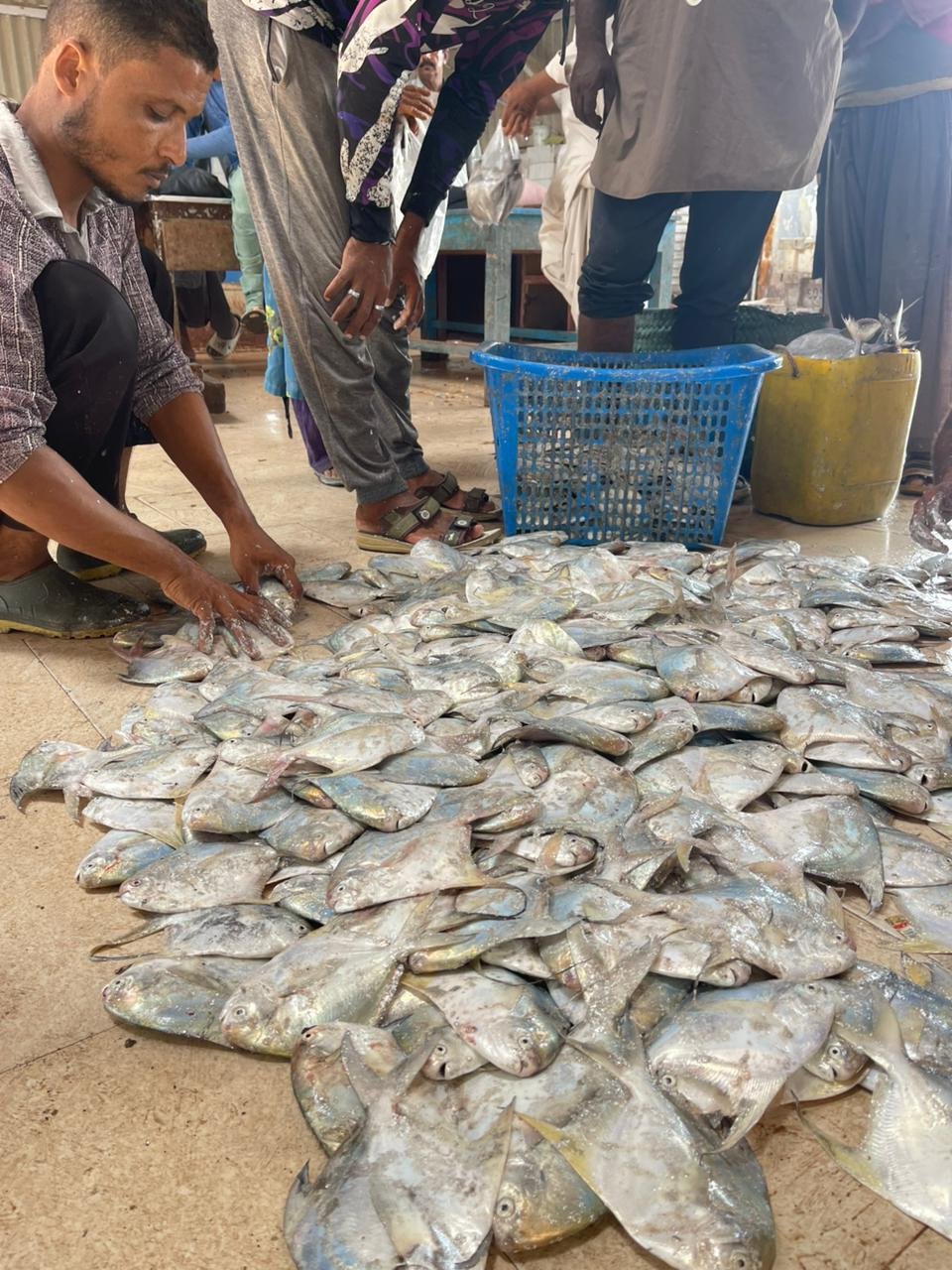
ISLAMABAD: Pakistan’s exports of fish and fisheries products have crossed the $500 million mark in the current fiscal year, with the target achieved 46 days before the close of the year, according to Federal Minister for Maritime Affairs Muhammad Junaid Anwar Chaudhry.
In a statement issued on Saturday, the minister said the milestone was reached due to reforms in the fisheries sector, better facilitation and expansion into additional markets. He said the performance reflected coordinated work by the Ministry of Maritime Affairs, the Marine Fisheries Department and other stakeholders to improve quality standards, modernise the sector and strengthen access to overseas buyers.
Chaudhry also praised Marine Fisheries Board Director General Dr Mansoor Wasan and his team for meeting the annual target ahead of schedule.
Access to new markets
The minister said Pakistani fish and seafood had, for the first time, been cleared for entry into the Russian market, with 16 Pakistani companies authorised to export seafood there. He said this opening could also support access to other markets within the Eurasian Economic Union.
According to the minister, annual seafood exports are projected to rise to $800 million, while initial shipments to Russia alone are expected to generate around $300 million in revenue. He said exports would move through sea, air and land routes, adding that overland links to Central Asia present lower-cost opportunities amid growing demand in Kazakhstan, Uzbekistan and Turkmenistan.
Export performance in first half of FY2025-26
Official figures cited by the minister showed that the marine fisheries sector recorded notable growth in the first half of fiscal year 2025-26. Between July and December 2025, exports reached 122,629 metric tonnes worth $253.24 million, compared with 102,942 tonnes valued at $208.25 million in the same period a year earlier.
This represented a year-on-year increase of 19.1% in volume and 21.6% in value.
Frozen fish remained the leading export category, with 26,669 tonnes shipped for $53.33 million. Shrimps and prawns brought in $40.46 million, while frozen cuttlefish contributed $36.13 million.
China remained the largest destination for Pakistani seafood, importing more than 83,602 tonnes worth $149.2 million, accounting for nearly 59% of total seafood exports. Thailand ranked second, mainly importing Hazard Analysis Critical Control Point (HACCP)-processed shrimps and prawns valued at $31.3 million.
The minister said exports to the United Arab Emirates, Malaysia and Japan also increased, while diversification efforts expanded shipments to the European Union, Saudi Arabia, Vietnam, Kuwait and the United States.
He added that monthly export momentum was strongest in November and December, when exports reached $56.42 million and $55 million respectively, supported by seasonal demand and improvements in logistics.
Non-tax revenue from the fisheries sector rose to Rs127.7 million from Rs118 million a year earlier, the minister said.
US extension and Korangi processing zone
Chaudhry further said Pakistan had secured a four-year extension for seafood exports to the United States after the National Oceanic and Atmospheric Administration classified Pakistani fisheries as comparable under the Marine Mammal Protection Act.
He also announced a major infrastructure initiative at the Korangi Fisheries Harbour Authority, where the government plans to establish a 100-acre seafood processing and export zone at an estimated cost of $60-80 million.
According to the minister, the project will include 20 to 25 medium and large processing units for fish, shrimp and cephalopods, along with facilities for value addition and export-grade packaging.
The planned zone will also feature cold storage and blast-freezing facilities with multi-temperature storage ranging from minus 18 to minus 40 degrees Celsius, as well as ice plants and flake ice stations with a daily production capacity of 50 to 100 tonnes.
Comments
No comments yet. Be the first to join the discussion!


