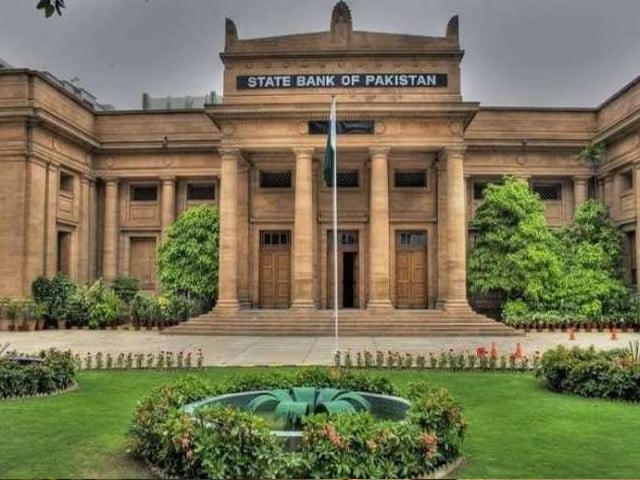
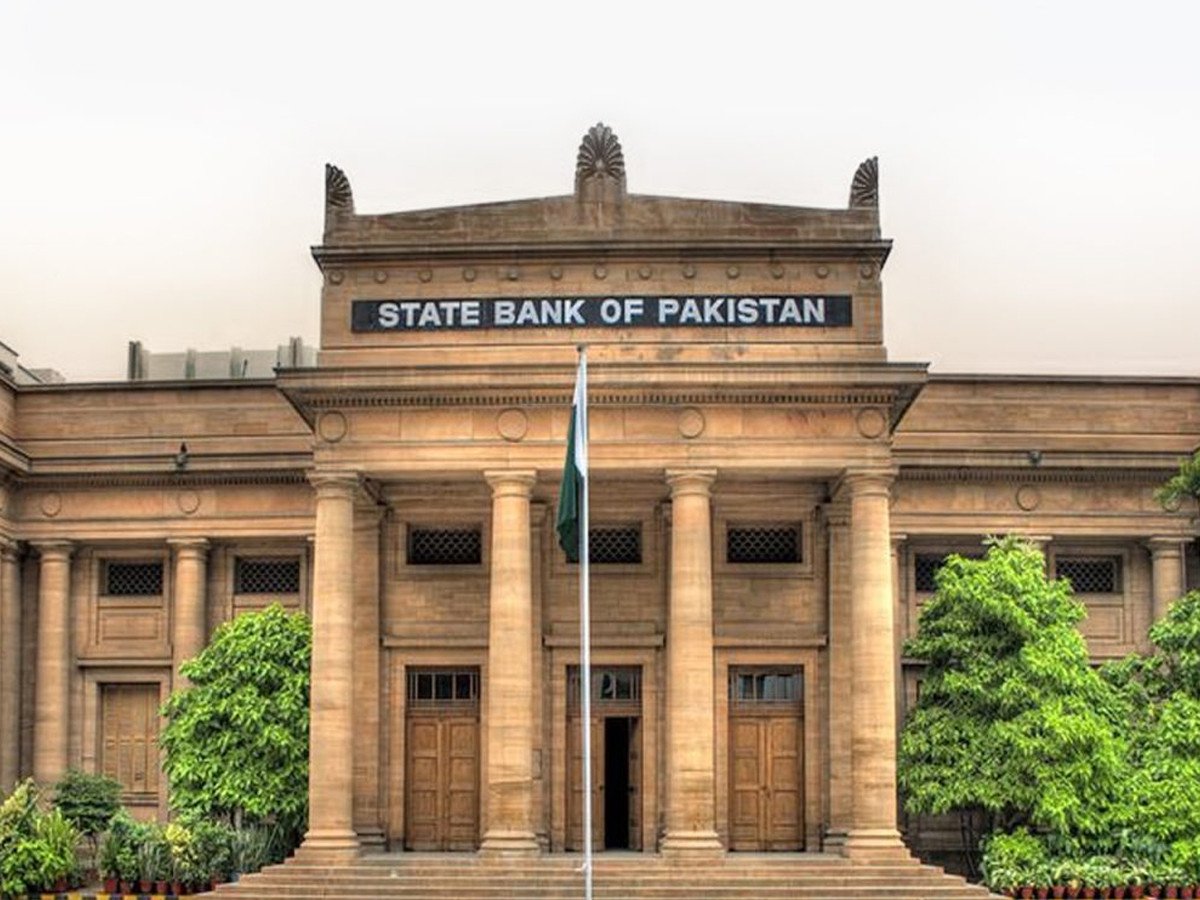
SBP purchases $27bn in 3.5 years
SBP Governor Jameel Ahmad told a National Assembly panel that the central bank bought $27 billion from the local market in 3.5 years to build reserves. Finance Minister Muhammad Aurangzeb also said Pakistan plans to issue $250 million in Panda bonds within 10 days.

ISLAMABAD: State Bank of Pakistan (SBP) Governor Jameel Ahmad told the National Assembly Standing Committee on Finance on Wednesday that the central bank had purchased $27 billion from the local market over the past three and a half years to strengthen foreign exchange reserves.
Briefing the committee, Ahmad said that since January 2023, the SBP had bought $27 billion from the open market, including $4.5 billion during the current fiscal year. The amount is around $3 billion higher than what the governor had disclosed less than two months earlier.
"Our reserves are increasing every week despite making $5 billion debt repayments in April and will soon cross $17 billion," he told lawmakers, adding that the economy was expected to expand by well over 4% in the third quarter of the current fiscal year.
Ahmad and Finance Minister Muhammad Aurangzeb briefed the committee on the state of the economy and progress on targets agreed with the International Monetary Fund (IMF). During the meeting, committee chairman Syed Naveed Qamar did not allow MNA Jawed Hanif to raise a question about the interest rate on the $3 billion fresh debt Pakistan obtained from Saudi Arabia to repay a $3.5 billion liability to the United Arab Emirates.
The committee was informed that the central bank currently holds about $16 billion in reserves, including $12 billion in cash deposits from Saudi Arabia and China. The briefing indicated that Pakistan's reserves have largely been built through foreign borrowing.
Aurangzeb told the panel that Pakistan received the final regulatory clearance from China on Wednesday, clearing the way for the issuance of Panda bonds worth $250 million.
"We are going to issue $250 million worth of Panda bonds in the next 10 days," he said, after an earlier attempt to launch the bonds in December last year.
To cover financing needs, the government has already raised $750 million in debt from Standard Chartered Bank through a private placement against Eurobonds.
Growth, inflation and external account
The SBP governor said economic activity had improved and that growth in the January-March quarter was estimated at much more than 4%. He acknowledged that the conflict in the Middle East would have implications for growth, but said the full-year growth rate would still exceed last fiscal year's 3.1%.
During the discussion, MNA Jawed Hanif questioned the logic of increasing the interest rate to curb inflation caused by oil supply shocks. In response, Ahmad said energy prices were a key driver of inflation and that core inflation was also rising.
"Keeping in mind the 6-8% inflation path, the monetary policy committee took a prudent decision," he said defending the move.
The annual inflation rate rose to 10.9% in April, driven by global supply disruptions and the government's decision to pass taxes and international price increases on to domestic consumers.
Aurangzeb told the committee that despite the Middle East conflict, the government remained on course to meet its primary budget surplus and budget deficit goals. He said the oil import bill had risen by more than $1 billion last month because of the war.
The figure cited by the finance minister was lower than the amount mentioned last week by Prime Minister Shehbaz Sharif, who had said the weekly oil import bill had climbed from $300 million to $800 million. "Our exports grew in April on a monthly and yearly basis, and there was also an increase in remittances," the finance minister further said, while maintaining that the Middle East conflict had not affected Pakistan's external account. He added that even if the war continued through May and June, Pakistan was still on track to meet this fiscal year's current account deficit target.
According to the Pakistan Bureau of Statistics, exports declined by $1.7 billion to $25.2 billion during July-April of the current fiscal year, although they increased on an annual basis.
During the meeting, committee chairman Qamar remarked that there is a need to gear up, because exports are not growing, while Aurangzeb said in response to another question that Pakistan would need to pursue sustainable economic growth.
Comments
No comments yet. Be the first to join the discussion!