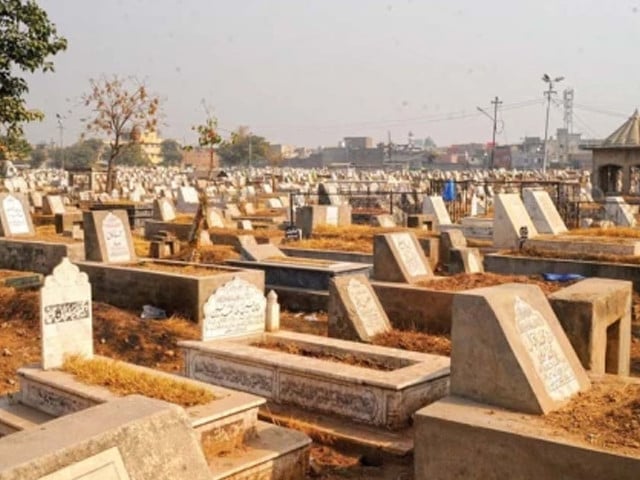
Neglected graveyards raise health and safety concerns
Poor maintenance and a funding crisis have left 54 graveyards across the city overgrown and waterlogged, raising fears of snakes, mosquitoes, dengue and malaria. The deputy commissioner has ordered immediate cleanup and removal of stagnant water.

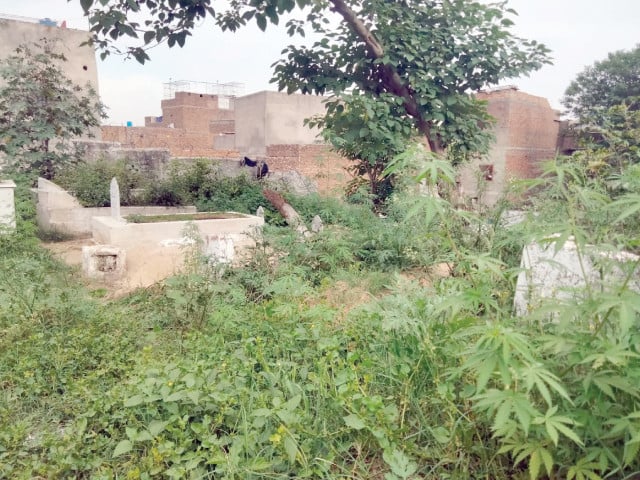
RAWALPINDI: A funding shortfall and financial strain at the municipal corporation have left 54 large and small graveyards across the city in poor condition, creating what officials and residents say is a growing public health and safety concern.
Routine cleaning and upkeep have been halted, allowing graveyards to become overgrown with wild bushes and cannabis plants. In some places, the vegetation has reached five to six feet in height, covering graves and creating conditions in which snakes and insects can thrive.
The situation has also raised fears of disease after recent rainfall left stagnant water in many graveyards. The standing water is seen as a potential breeding ground for mosquitoes, increasing the risk of dengue and malaria. Residents living near the burial sites said mosquitoes spread into surrounding neighbourhoods in the evening.
Reports also point to an increase in snake sightings. In one modern cemetery, two goats recently died after being bitten by snakes. Local traders near the Dhoke Elahi Bakhsh cemetery said the problem had become more serious in recent days.
Residents seek urgent action
Kamran Kami and Sudhir Butt, traders in the area, said they had killed three poisonous snakes over the past week, while two goats had died from snake bites. They called for immediate cleaning of the graveyard, removal of overgrown vegetation, replacement of streetlights that have remained out of order for the past year, and steps to remove or treat stagnant rainwater.
They said funeral prayers are often offered after sunset and warned that the presence of dangerous insects and reptiles poses a serious risk to people visiting the graveyard.
Municipal constraints and official response
With available funds exhausted, the municipal corporation has been unable to carry out anti-larvae spraying or begin clearance operations. As spring advances, the unchecked growth of wild plants is continuing.
Deputy Commissioner Hasan Waqar Cheema has taken notice of the matter and directed the relevant authorities to ensure immediate cleaning of graveyards, removal of wild vegetation, and drainage or elimination of stagnant water to help control dengue and malaria.
He also warned of strict action against those responsible if the directives are not implemented.
The condition of graveyards across the city has therefore emerged not only as a maintenance issue but also as a matter linked to public health, sanitation and safety for nearby residents and those attending burials and funeral prayers.
Comments
No comments yet. Be the first to join the discussion!