May 5, 2026
NA panel told nearly 20,000 HIV patients dropped out after starting treatment
The NA Standing Committee on Health was told that nearly 20,000 HIV patients who began treatment at ART centres are now ‘missing’. Lawmakers also rejected a request for an in-camera briefing and raised concerns over prevention, funding and enforcement gaps.

May 5, 2026
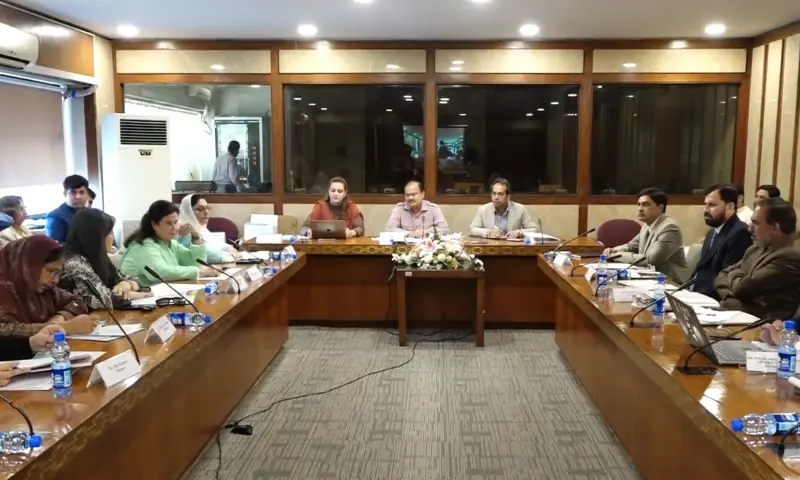
ISLAMABAD: The National Assembly Standing Committee on Health was informed on Tuesday that nearly 20,000 patients who had begun treatment at antiretroviral therapy centres for HIV and AIDS are now classified as ‘missing’, prompting concern over follow-up, counselling and retention in care.
The committee, chaired by MNA Dr Mahesh Kumar Malani, had sought a briefing from the health ministry after taking notice of the increasing number of HIV and AIDS cases in Pakistan. During the meeting, the committee also turned down a request by the health ministry to hold an in-camera briefing on the issue.
According to the ministry’s briefing, Pakistan is among the fastest-growing HIV epidemics in the WHO Eastern Mediterranean Region. New infections have increased by 200 per cent over the past 15 years, rising from 16,000 in 2010 to 48,000 in 2024.
The ministry told lawmakers that an estimated 369,000 people are living with HIV in Pakistan, but only 84,000 cases are currently registered, indicating a wide gap in detection. It said 14,000 new cases were reported in 2025 alone.
In what the committee described as a serious concern, officials said that of the 84,000 registered cases, nearly 20,000 patients who had initiated treatment at ART centres were now ‘missing’. The ministry said a comprehensive master plan was being prepared to address shortcomings in patient follow-up and related gaps.
Committee rejects on-camera proposal
Dr Malani told the meeting that Health Minister Mustafa Kamal had requested an on-camera briefing. He said the matter was already under public scrutiny, especially in light of reports of more than 600 HIV and AIDS cases in Islamabad.
However, committee members Aliya Kamran and Shazia Sobia Aslam Soomro opposed the proposal. Kamran said lives were being lost due to AIDS, while Soomro said media presence during the proceedings was necessary because of the issue’s public importance.
Minister cites funding and theft concerns
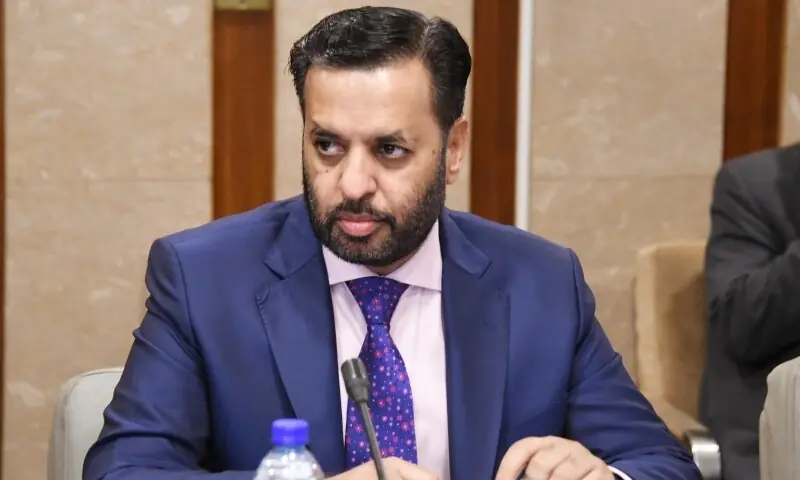
During the briefing, Mustafa Kamal said no new HIV or AIDS outbreak had occurred this year. Referring to cases reported in Taunsa in 2024, he said that for the first time all related facts had been shared openly with the media, adding that hiding such data would be a criminal act.
The minister said HIV/AIDS programmes in Pakistan were largely financed by the Global Fund.
For the current three-year cycle, Pakistan has received funding amounting to $65 million. Of this, $3.9m has been allocated to the government, while the remaining funds have been distributed to organisations such as Nai Zindagi and UNDP (United Nations Development Programme).
he said.
Kamal also said Pakistan had been placed in an ‘Additional Safeguard Category’ by the Global Fund. He told the committee that screening centres across the country receive medicines and syringes through partner organisations.
The minister further informed lawmakers that medical supplies worth $800,000 provided by the Global Fund had been stolen within Pakistan.
Concerns over prevention and enforcement
The committee noted that Pakistan’s HIV prevalence was 0.2 per cent, compared with a global average of 0.5pc. At the same time, it said localised outbreaks in Taunsa, Kot Momin and parts of South Punjab reflected serious weaknesses in infection prevention and control, unsafe medical practices and poor enforcement.
Members voiced concern over the continued sale of banned syringes despite regulatory restrictions imposed in 2021, weak oversight of blood banks and transfusion camps, the absence of sustained public awareness efforts, stigma that discourages testing and treatment, and the increasing number of patients who disappear from care after diagnosis.
The meeting was attended by MNAs Zahra Wadood Fatemi, Farah Naz Akbar, Shazia Sobia Aslam Soomro, Shaista Khan, Nikhat Shakeel Khan, Aliya Kamran, Darshan, Sabheen Ghoury, Chaudhry Muhammad Shahbaz Babar and Farukh Khan. The minister for national health, along with senior officials of the health ministry and its attached departments, also participated.
The issue comes amid wider concern over HIV in the country. In April, it emerged that three hospitals in Karachi had recorded a sharp rise in paediatric HIV cases over the previous nine months, with numbers continuing to increase. At a press conference on Saturday, experts urged the government to declare a national health emergency over what they called the dangerous spread of the disease among children. They also called for strict enforcement of infection control measures and the law on single-use syringes, as well as the creation of a national dashboard carrying credible data on major infectious diseases including HIV, hepatitis B, hepatitis C and mpox.
0 Comments
No comments yet. Be the first to join the discussion!