

PPP human rights cell seeks review of Peca on World Press Freedom Day
The PPP Human Rights Cell has called for a comprehensive review of Peca, saying the law should be aligned with constitutional freedoms and human rights standards. On World Press Freedom Day, National Assembly leaders also issued messages backing free and responsible journalism.

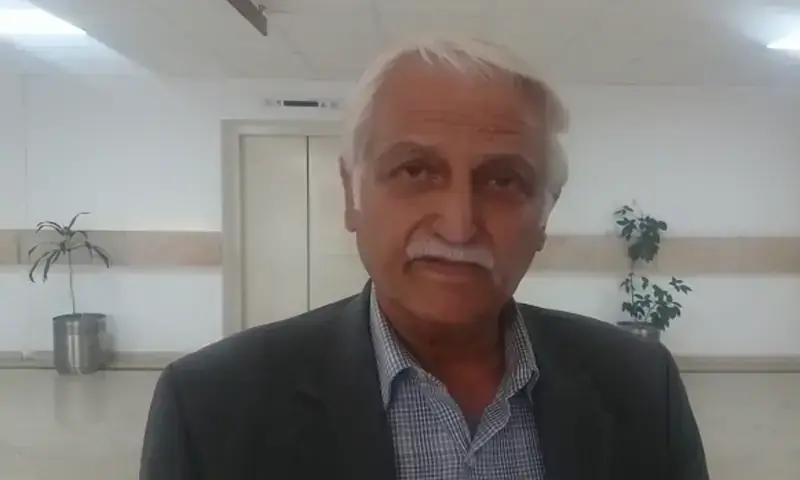
ISLAMABAD: The Pakistan Peoples Party’s Human Rights Cell on Saturday called for a broad review of the Prevention of Electronic Crimes Act (Peca), saying the law should be brought in line with constitutional protections and international human rights standards instead of being used to curb dissent.
In a statement issued on the occasion of World Press Freedom Day, former senator and PPP Human Rights Cell president Farhatullah Babar said the day was being marked in Pakistan in an atmosphere of what he described as the growing use of Peca against journalists and human rights defenders. "Silencing those who speak for rights, justice and the marginalized is silencing the conscience of the society itself. The strength of a democracy lies not in suppressing dissent, but in engaging with it," he said.
He added that World Press Freedom Day was being observed in the country amid what he termed an unprecedented weaponisation of the law against those who speak about injustices, enforced disappearances or challenge official narratives with alternative accounts, in a country he said was becoming increasingly security-driven rather than rights- or welfare-driven.
He also called for legislation to protect human rights defenders from victimisation and from what he described as the misuse of judicial processes. According to Mr Babar, recent amendments to Peca should be revisited.
He said legal procedures were also being misused, citing prolonged detention without trial, delayed hearings, excessive charges and midnight arrests as coercive methods. He referred to the cases of journalists Matiullah Jan, Asad Toor and, more recently, Fakharur Rehman, and said such practices violated constitutional guarantees under Articles 10-A and 19.
The PPP Human Rights Cell also raised concern over the sentences awarded to Imaan and Hadi, saying both the severity of the punishment and the surrounding circumstances were troubling and raised questions about proportionality, due process and the use of coercive legal tools.
Mr Babar further expressed concern over the delay in the Islamabad High Court hearing their applications seeking suspension of sentence. "Justice delayed is justice denied," he said, adding that the right to a timely hearing formed part of fair trial and due process protections. He said the prolonged pendency of the applications was undermining confidence in the judicial process.
The cell urged the Islamabad High Court to fix and hear the applications at the earliest and asked the Supreme Court to take notice of the matter.
Referring to the position of journalists and rights defenders, Mr Babar said Pakistan had supported the UN Declaration on Human Rights Defenders in 1998, but later voted against a UN resolution seeking protection for human rights defenders.
National Assembly leadership issues press freedom messages
Separately, National Assembly Speaker Sardar Ayaz Sadiq, in his World Press Freedom Day message, said free, secure and responsible journalism was a central pillar of every democratic society. He said journalists played an important role in conveying the truth and promoting transparency and accountability in state institutions by providing timely and accurate information to the public.
The speaker said press freedom was essential for democratic strengthening, public awareness and the rule of law. He paid tribute to journalists who lost their lives in the line of duty and said the media community had made valuable sacrifices in the pursuit of truth and in becoming the voice of the people.
He said the Constitution guaranteed freedom of expression, while adding that in the digital era the need for responsible journalism had become even greater in countering misinformation and propaganda. He stressed the promotion of fact-based reporting to protect national interest, strengthen social harmony and reinforce state stability.
Mr Sadiq said parliament remained committed to effective legislation for media freedom, the protection of journalists and the safeguarding of their rights. He added that ensuring a safe and enabling environment for media professionals was necessary so they could perform their duties without fear. He also said the spread of misinformation and unverified news was a major challenge and required the promotion of research-based and responsible journalism grounded in facts.
Deputy Speaker National Assembly Syed Ghulam Mustafa Shah, in his message, said a free and responsible media was indispensable for the stability of a democratic system. He said protecting journalists’ rights, ensuring their professional freedom and guaranteeing their safety was a shared responsibility of the state and society. He also reiterated parliament’s commitment to continue efforts for media freedom and the protection of journalists.
Comments
No comments yet. Be the first to join the discussion!


