April 30, 2026
Trump rejects Iranian proposal as US keeps blockade tied to nuclear deal
Donald Trump has rejected an Iranian proposal to end the conflict, saying the US naval blockade will remain until Tehran accepts a nuclear deal. Iran, meanwhile, warned of ‘unprecedented military action’ over continued shipping curbs as oil prices climbed.

April 30, 2026
TEHRAN/WASHINGTON: US President Donald Trump on Wednesday rejected an Iranian proposal aimed at ending the conflict, saying the naval blockade would stay in place until Tehran agreed to a nuclear arrangement.
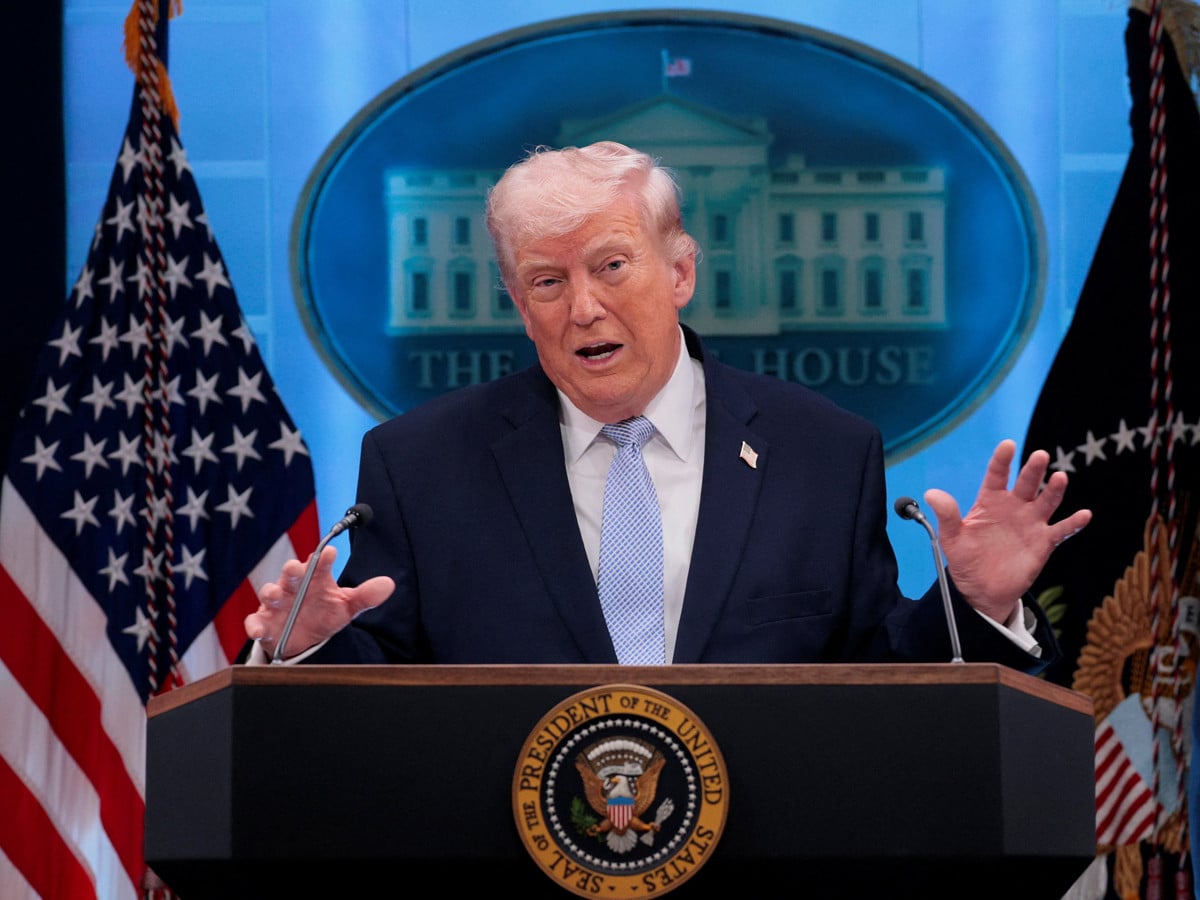
Speaking to Axios, Trump said the blockade was ‘somewhat more effective than the bombing’ and warned that conditions would get ‘worse for them’. He added, ‘They want to settle. They don’t want me to keep the blockade. I don’t want to [lift the blockade], because I don’t want them to have a nuclear weapon.’
The Iranian proposal was conveyed through Pakistan and set out red lines on nuclear matters and the Strait of Hormuz. The plan reportedly envisaged Iran loosening its hold over the strait while the United States would remove its retaliatory blockade as wider negotiations continued, including on the nuclear programme. The proposal was rejected, and another offer is said to be under consideration.
Trump also told oil executives that Washington could maintain the naval blockade for months if necessary. In a post on his social media platform, he wrote: ‘Iran can’t get their act together… They better get smart soon,’ alongside a mocked-up image of himself carrying a rifle before explosions and the slogan: ‘No more Mr. Nice Guy!’
An administration official, speaking on condition of anonymity, said Trump discussed with oil executives ‘steps we could take to continue the current blockade for months if needed and minimise impact on American consumers’.
Meanwhile, The Washington Post quoted multiple US officials as saying the aircraft carrier USS Gerald R. Ford would leave the Middle East and begin its journey home in the coming days. The departure would bring relief to about 4,500 sailors after a 10-month deployment, but would also reduce US firepower at a time when peace efforts between Washington and Tehran remain stalled.
Iranian officials also issued fresh statements on the crisis. According to Al Jazeera, Oil Minister Mohsen Paknejad said Iran’s fuel supply and distribution remained stable despite the US blockade on Iranian ports. Parliament speaker Bagher Ghalibaf said the United States was seeking to divide Iran through the blockade.
Iran warns over shipping curbs
Tehran on Wednesday warned of ‘unprecedented military action’ if the US continued blockading vessels linked to Iran. Ghalibaf said, ‘The enemy has entered a new phase and wants to activate economic pressure and internal division through naval blockade and media hype to weaken or even make us collapse from within,’ and called for ‘maintaining unity’ as the only solution.
Trump has repeatedly said Iran cannot be allowed to obtain a nuclear weapon, while Tehran maintains that its nuclear programme is peaceful.
At a White House state dinner on Tuesday, Trump told Britain’s King Charles III and other guests that Iran had been ‘militarily defeated’, adding: ‘Charles agrees with me even more than I do — we’re never going to let that opponent have a nuclear weapon.’
The US president also said he had spoken ‘a little bit’ about the Iran war with Russian President Vladimir Putin, days after Iranian Foreign Minister Abbas Araghchi visited St Petersburg. Referring to Iran’s enriched uranium stockpile, Trump said, ‘He told me he’d like to be involved with the enrichment, if he can help us get it.’ He added, ‘I said, “I’d much rather have you be involved with ending the war in Ukraine.” To me, that’d be more important.’
On the Iranian side, army spokesman Amir Akraminia told state television on Tuesday that ‘we do not consider the war to be over’ and said Tehran had ‘no trust in America’. He added: ‘We have many cards that we have not yet used… new tools and methods of fighting based on the experiences of the past two wars, which will definitely allow us to respond to the enemy more decisively’ if fighting resumed.
Oil prices rise as talks remain stalled
With peace talks still deadlocked, oil prices moved higher again. Brent crude for June delivery rose by more than five per cent to $117, its highest level since a fragile US-Iran ceasefire took effect on April 8.
Iran has blocked the Strait of Hormuz since the United States and Israel launched the war two months ago. The waterway is a key route for oil and gas shipments from the Gulf, and the disruption has sent shockwaves through the global economy. Iran’s own economy was also under strain, with the rial falling to record lows against the dollar on Wednesday.
0 Comments
No comments yet. Be the first to join the discussion!