April 30, 2026
Oil shock pushes Pakistan’s weekly import bill to $800m amid Middle East crisis: PM
Prime Minister Shehbaz Sharif warns global crude prices have pushed Pakistan’s weekly oil import bill from $300m to $800m due to the Middle East conflict. He expects new fuel pricing Friday and says reserves remain stable.
April 30, 2026

Premier Shehbaz flags sharp surge from $300m pre-war level to $800m, terming this highly challenging situation
Says new fuel pricing expected to be announced on Friday, noting situation ‘challenging’ but expresses confidence in coordinated response
Lauds Petroleum minister for managing fuel supply pressures, and keeping situation ‘satisfactory’
Says Pakistan’s reserves stable despite debt repayments and $3.45b UAE deposit
Praises Saudi Arabia for extending $5b facility for three years, deposits $3b support
PM highlights ongoing diplomacy on US-Iran tensions and regional ceasefire efforts
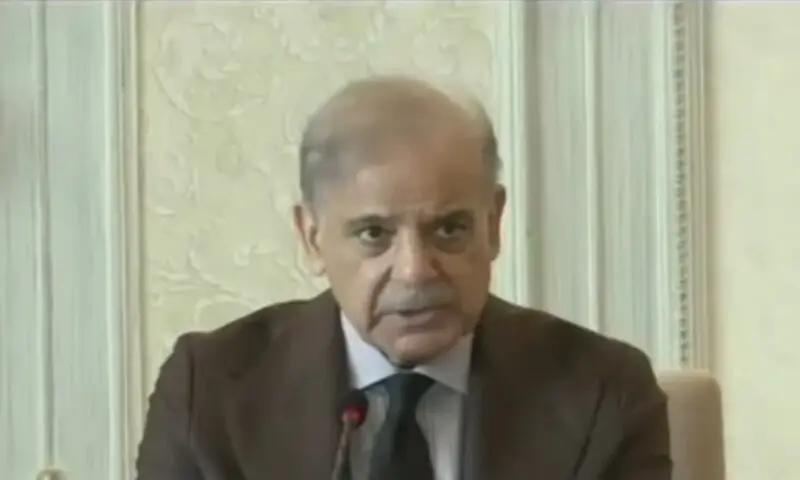
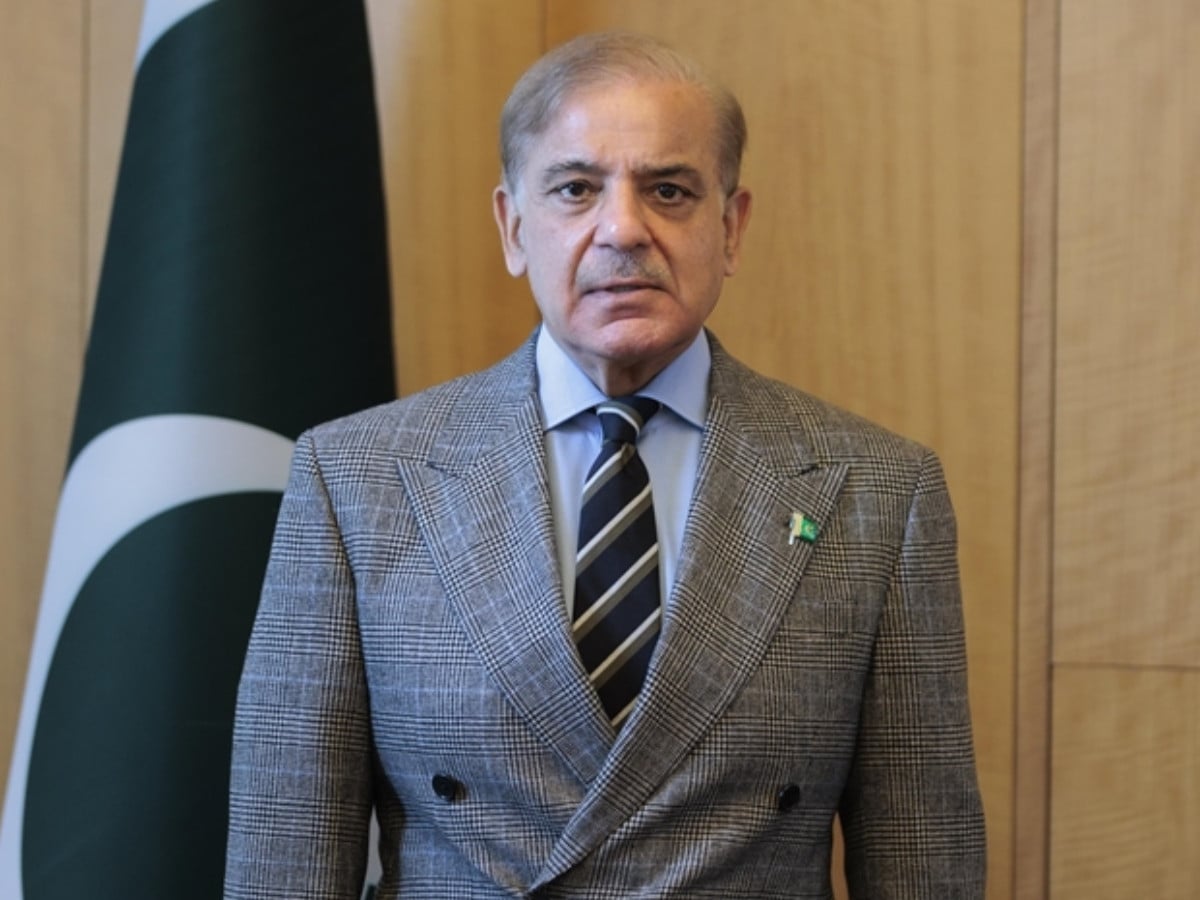
ISLAMABAD: Prime Minister Shehbaz Sharif on Wednesday expressed concern over rising global crude oil prices, stating that the country’s “weekly oil bill has surged to $800 million” due to the ongoing oil crisis triggered by the Middle East conflict, and added that “new fuel prices were expected to be determined on Friday.”
Addressing a meeting of the federal cabinet, according to a statement issued by the Prime Minister’s Office (PMO), he said global fuel prices had risen sharply, pushing Pakistan’s weekly oil import bill significantly higher.
Islamabad: Prime Minister Muhammad Shehbaz Sharif chairs the meeting of the Federal Cabinet. pic.twitter.com/0NjQuA6tYE
— Government of Pakistan (@GovtofPakistan) April 29, 2026
“Fuel prices in the global markets had risen sharply, and our weekly pre-war oil bill was around $300 million. Today, it has gone up to $800 million,” the prime minister said, adding that this was a highly challenging situation.
However, he expressed optimism that the government would manage the situation through “collective wisdom and coordinated efforts” to keep matters under control.
Global oil prices have surged over the past two months as shipping through the Strait of Hormuz has remained disrupted since the US and Israel launched joint strikes on Iran on February 28.
وزیراعظم محمد شہباز شریف کی زیرِ صدارت وفاقی کابینہ کا اجلاس
اجلاس میں ملکی سطح پر ویکسین کی تیاری کی پالیسی، ملک کی پہلی نیشنل ایگریکلچر بائیو ٹیکنالوجی پالیسی، نیشنل سیڈ پالیسی اور نیشنل سکلز ڈیویلپمنٹ پالیسی کی منظوری دی گئی۔
نیشنل سکلز ڈیویلپمنٹ پالیسی کے تحت بیرونِ ملک… pic.twitter.com/MJ01GBU0nW— Government of Pakistan (@GovtofPakistan) April 29, 2026
The prime minister commended Petroleum Minister Ali Pervaiz Malik for handling the fuel crisis arising from the Iran conflict, stating that the situation now appeared “satisfactory.” He also noted that national fuel consumption had declined compared to previous weeks, adding that the situation was being closely monitored.
“Consultations are also being held with provinces to extend fuel subsidies,” he informed the cabinet.
وزیراعظم محمد شہباز شریف کی زیر صدارت وفاقی کابینہ کا اجلاس
وزیراعظم محمد شہباز شریف نے کابینہ ممبران کو پاکستان کی جانب سے مشرق وسطی' میں جاری کشیدگی کو کم کرنے کے لئے سفارتی کاوشوں سے آگاہ کیا اور اجلاس میں ملکی سطح پر ویکسین کی تیاری کی پالیسی، ملک کی پہلی نیشنل ایگریکلچر… pic.twitter.com/Q3jKgOFvYO— Government of Pakistan (@GovtofPakistan) April 29, 2026
PM Shehbaz further said Pakistan was performing well on the macroeconomic front before the war, but the conflict had “set back two years of economic efforts.”
Despite this, he noted that federal reserves remained stable even after debt repayments, including a $3.45 billion deposit to the United Arab Emirates (UAE).
He also expressed gratitude to Saudi Arabia for its financial support, saying the Kingdom had recently transferred a $3 billion deposit and agreed to extend its existing $5 billion facility for another three years.
Pakistan’s diplomatic outreach on US-Iran tensions
Briefing the cabinet on diplomatic efforts related to the US-Iran tensions, the prime minister recalled the first round of Islamabad Talks held on April 11–12.
He said Pakistan had undertaken extensive diplomatic engagements and praised Chief of Defence Forces and Chief of Army Staff Asim Munir and Deputy Prime Minister and Foreign Minister Ishaq Dar for their efforts to restore peace in the region.
“Following this, a ceasefire extension was announced,” he said, referring to the April 21 statement by US President Donald Trump.
The prime minister also noted recent visits to Pakistan by Iranian Foreign Minister Abbas Araghchi, who held meetings with senior Pakistani leadership, including discussions with the prime minister and military leadership on regional stability.
He recalled that before returning to Iran, the visiting minister had said he would respond after consultations with the Iranian leadership.
The Iranian foreign minister made two brief visits to Pakistan within two days and met both civil and military leadership to discuss the evolving regional situation.
The premier also appreciated Interior Minister Mohsin Naqvi for his participation in the meetings.
0 Comments
No comments yet. Be the first to join the discussion!