Iran warns US of ‘prolonged, painful blows’ amid reports of potential strike plans
Iran’s IRGC Aerospace commander warns the US against potential new strikes, citing CENTCOM plans for “short and intense” attacks. Iran also signals legal and asset-recovery steps for war compensation.

TEHRAN: A commander of Iran’s Islamic Revolutionary Guard Corps (IRGC) Aerospace Force warned the United States on Thursday against potential military action amid reports Washington was considering new strikes against Tehran.
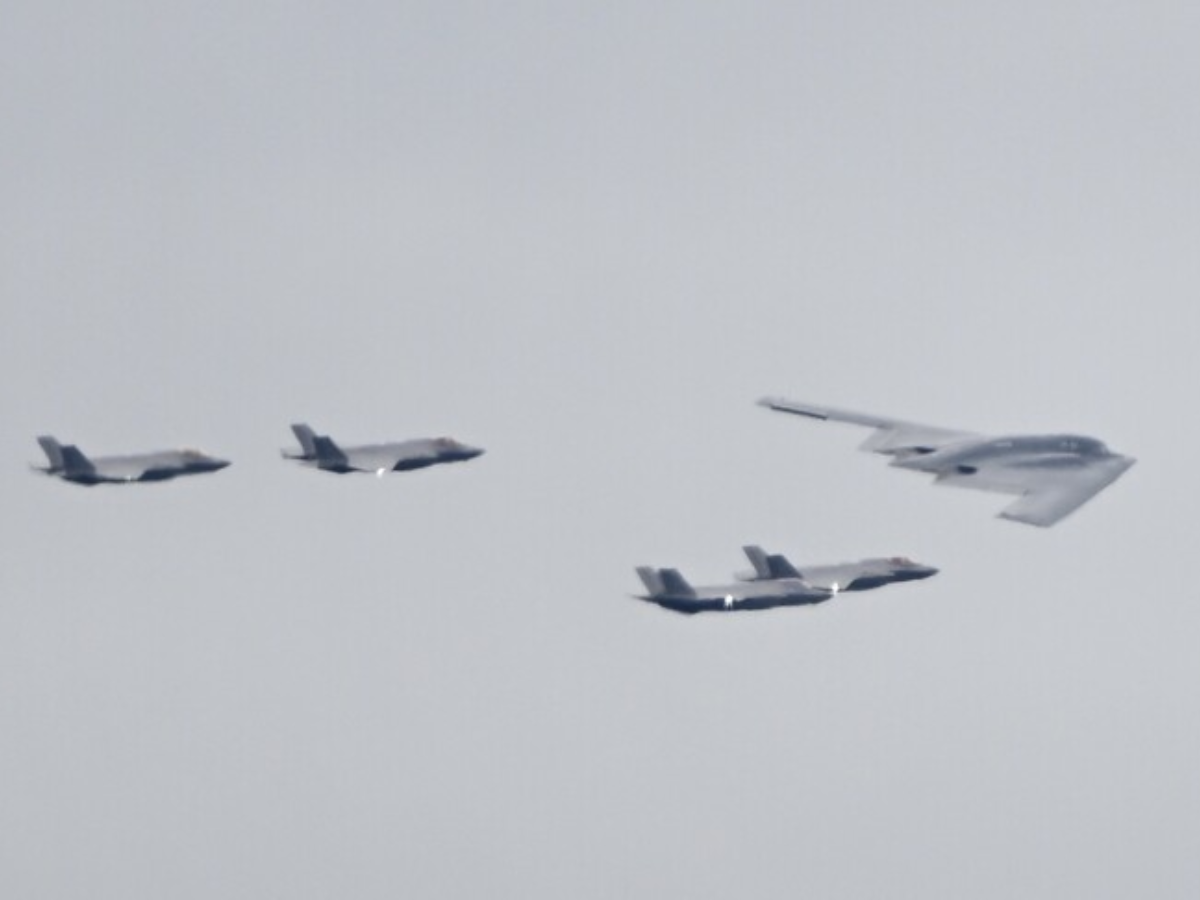
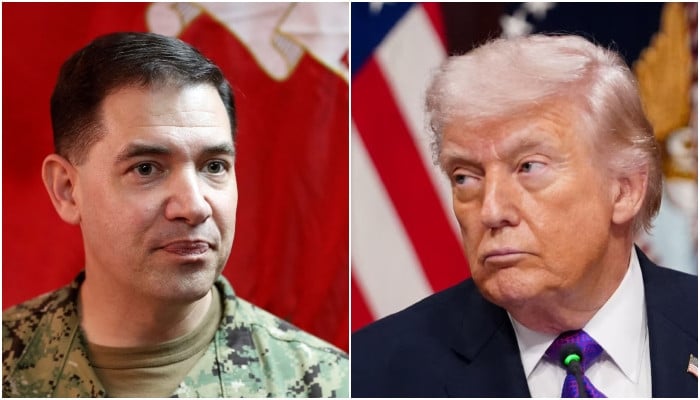
The warning followed a report by Axios that US President Donald Trump was expected to receive a briefing from US Central Command (CENTCOM) on options for a “short and intense” series of strikes aimed at breaking the current stalemate.
In response, Majid Mousavi, commander of the IRGC Aerospace Force, said Tehran would respond to any such operations “even if short and rapid” with “prolonged and painful blows”.
“We have seen the fate of your bases in the region; we will also see your vessels,” he added in his comments carried by the semi-official Tasnim news agency.
According to Axios, CENTCOM has prepared plans that could include strikes on Iranian infrastructure, as well as broader options such as increased naval pressure in the Strait of Hormuz.
The proposals were reportedly aimed at forcing Iran back to negotiations with greater flexibility, particularly on the nuclear issue.
The report also said Washington was considering steps to secure maritime routes in the Strait of Hormuz and was preparing for possible Iranian retaliation.
Meanwhile, an Iranian lawmaker warned that Tehran could resort to “reciprocal action” if efforts to secure war compensation through legal and financial channels failed.
Alireza Salimi, a member of the parliament’s presiding board, said in an interview with the parliament-affiliated ICANA news agency that Iran was pursuing a multi-stage strategy to claim damages following what he described as US and Israeli attacks.
He said compensation for damage to infrastructure was a key demand, but stressed that Iran’s approach went beyond financial claims.
Salimi outlined a three-step plan, beginning with legal action through international institutions to hold the “aggressor” accountable.
If those efforts proved ineffective, he said Iran would seek to recover damages by seizing assets linked to the responsible parties.
“As a final step, if neither legal action nor asset recovery yields results, Iran will pursue reciprocal action to impose equivalent costs,” he said.
Salimi also said the US should be considered a “hostile state” under international law due to what he described as violations of sovereignty without authorisation.
He added that countries allowing their territory or airspace to be used for attacks could be considered complicit and face legal claims.
Separately, Iranian President Masoud Pezeshkian said any attempt to impose a maritime blockade or restrictions in the Persian Gulf would violate international law.
“Such actions are against the interests of regional nations and global peace and stability, and are doomed to fail,” he said in a message marking Persian Gulf National Day.
A legislative plan addressing these measures was currently in its final stages following review by parliament’s judicial commission, he said.
Comments
No comments yet. Be the first to join the discussion!